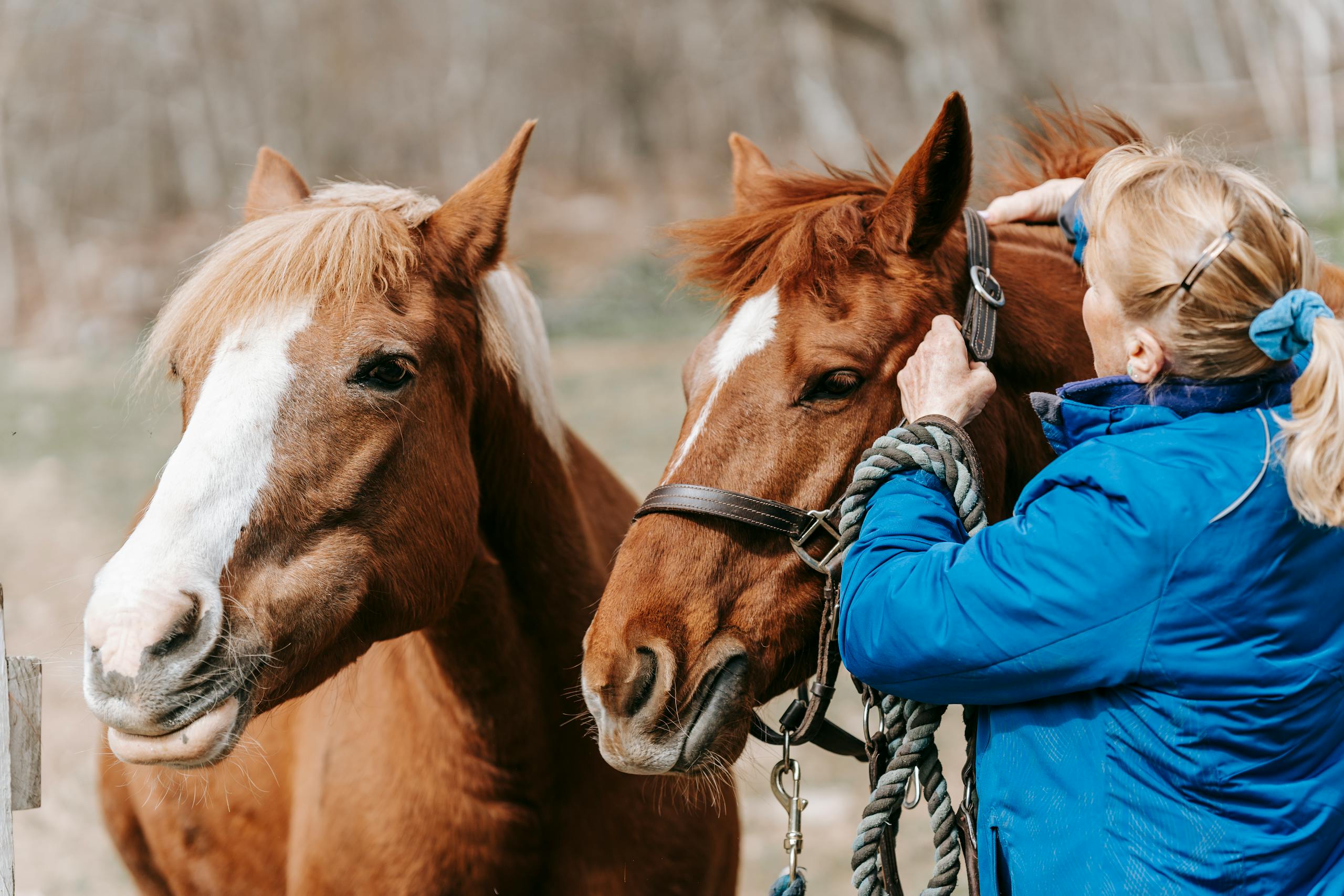
In the serene hills of Vermont, a goat breeder named Sarah had been living her dream for the past year and a half. She purchased a property that came with ample barn space—more than enough for her growing goat herd. Then, around six months ago, a local family approached her, looking for a place to stable their two horses for their Future Farmers of America (FFA) projects. The prospect of building a community and lending a hand seemed perfect; they agreed on a monthly fee of $200 to cover the barn, pasture, and storage for their horse trailer.
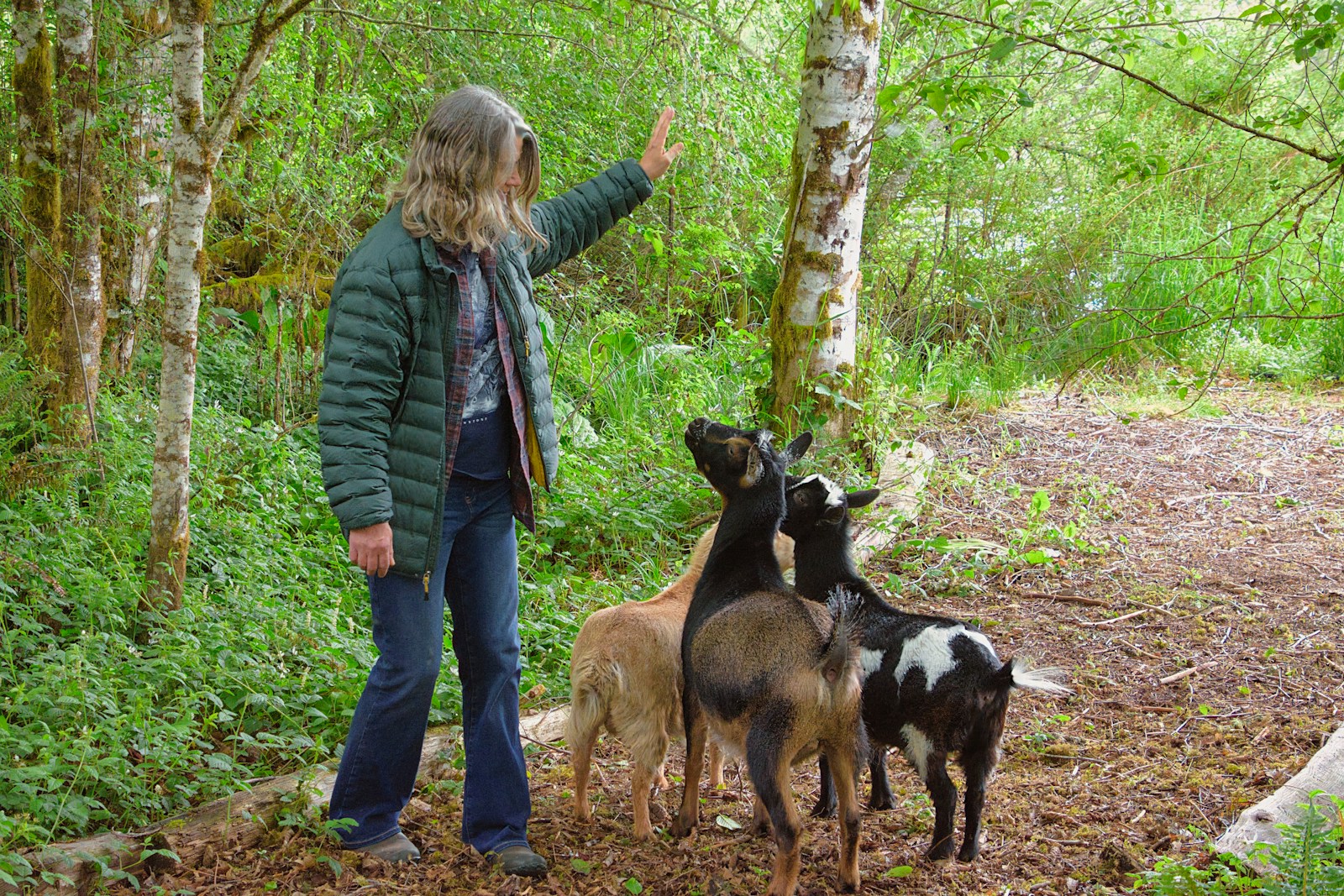
However, the arrangement quickly soured. Since the property wasn’t designed for horses, Sarah made it clear to the horse owner, Tom, that he would need to handle building stalls and any horse-related necessities. He acknowledged the need for a dedicated goat pen that Sarah planned to build for her male goats in the upcoming winter. Unfortunately, as soon as Tom moved the horses in, he faced pressing challenges.
Due to the horses’ fighting tendencies in small areas, he kept them without shelter for a couple of weeks in bitter winter conditions. When Sarah voiced her concerns, he claimed he had nowhere else to put them, leaving her frustrated. When he finally began constructing the necessary stalls, Tom used a mini excavator to clear out bedding and replace it with sand. However, to Sarah’s dismay, he tore down the already existing goat pen to make space, without informing her first. It was only when Sarah noticed the horses were no longer grazing in the pasture that she discovered the pen was dismantled. When she confronted him, he promised to rebuild it soon, but that never transpired.
Weeks turned into months, and as spring approached, Sarah noticed a large compost pile had formed where she intended to plant crops. The situation escalated her worries as her income relied on selling goat kids and producing sunflower oil from her plants. The timely planting was critical, and the compost pile was a stark reminder of the disruptions she faced.
A few weeks later, a more alarming issue arose: Tom’s horses broke free and ran down a nearby highway. When Sarah informed him about the situation, he dismissed her concerns, stating he didn’t have time to fix the fence because he had a trip planned out of the country in a couple of days. He even suggested that a ratchet strap would suffice for securing the horses. Sarah could hardly believe her ears. She insisted he secure the horses properly before leaving, understanding that it was a serious safety issue.
Faced with mounting dissatisfaction, Sarah decided it was time for a conversation. She texted Tom with a clear message: he needed to finish fixing the fence and other issues by May 15th. If he couldn’t meet those deadlines, he would need to either raise the rent significantly or vacate the barn altogether. She offered to manage the repairs herself if he could provide the necessary materials, but time was of the essence.
A week later, Tom made some attempts at repairs, but progress quickly stagnated once again. Just yesterday, he sent Sarah a text inviting her family to a local horse pull event that weekend, but he also mentioned that he wouldn’t be able to finalize the fixes on time. Instead, he promised to try and complete the work the following weekend. This casual dismissal served as the last straw for Sarah.
While her husband saw Tom’s postponement as a minor inconvenience, Sarah perceived it as a severe disrespect for the boundaries they had set. With every delay, she felt that her needs were being trampled on, and the balance of their agreement had shifted dramatically in Tom’s favor. It was no longer just about horses; it was about boundaries, responsibility, and respecting the space they were sharing.
Now, with the May deadline looming and a clear sense of urgency, Sarah was weighing her options. Did she have the right to evict the horses and end this arrangement once and for all, or was she overreacting? The conflict had become a significant part of her daily life, and she was grappling with the decision that could change everything.
More from Cultivated Comfort:
- 7 Vintage Home Items From the ’60s That Are Collectors’ Dream Finds
- 7 Vintage Home Goods That Became Collectors’ Gold
- 7 Fast-Food Chains That Changed for the Worse
- 7 Frozen Dinners That Were Better Back in the Day