
In the fast-paced world of multitasking, one mom found herself caught in a whirlwind of expectations and misunderstandings. Juggling two demanding jobs and raising two young kids, the last thing she needed was the added pressure of read receipts on her messaging apps. With this in mind, she made a choice that would soon spark an unexpected conflict with a friend.
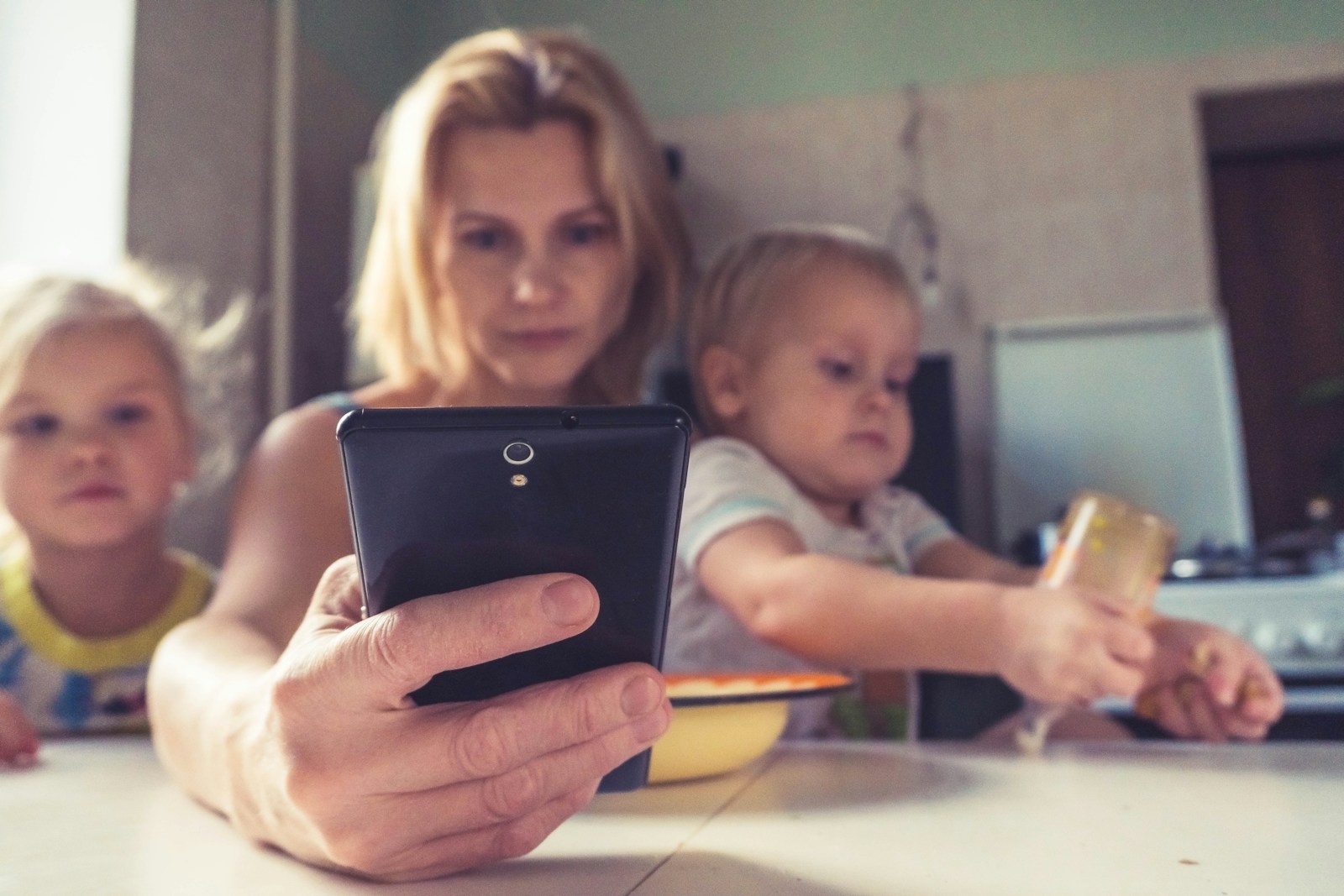
She had always turned off read receipts for everyone as soon as she added them as contacts. For her, it was a way to establish boundaries. She thrived on the idea that she could reply at her own pace, without the nagging urgency to respond right after reading each message. After all, between balancing client meetings and wrangling her children through their daily routines, she didn’t want the world to assume she was ignoring them if she didn’t respond immediately.
For years, this strategy worked without a hitch. Friends understood her busy lifestyle and usually communicated accordingly. However, one day, things took a turn when she had a falling out with someone she thought was a close friend.
This friend had always been the kind to take everything personally. She would often send messages expecting immediate replies, and while the mom occasionally obliged, her busy life meant that quick responses were not always feasible. The friend had been fine with the arrangement until one fateful conversation where the mom mentioned her habit of turning off read receipts.
Tension brewed when the friend accused her of being “fake” and claimed she was hiding something by not letting her see when messages were read. Stunned, the mom tried to explain her point of view. “It’s not about hiding anything,” she insisted. “I just need the flexibility to respond when I can. Life is hectic, and it’s not personal.”
But the friend wasn’t having it. She was adamant that if someone truly valued their friendship, they would want to keep the other informed, and read receipts were a crucial part of that. “If you really cared,” she said, “you’d at least allow me to know you saw my message.” The mom was taken aback; to her, this seemed like a massive overreaction.
Despite her best efforts to clarify her stance—explaining that it was simply a personal choice born from necessity—the situation escalated. The friend remained unmoved, intensifying her accusations by asserting that such behavior was indicative of deeper issues in their friendship. Eventually, the friend decided to cut off communication entirely, leaving the mom bewildered and hurt.
After days of thinking it over, the mom started questioning herself. Was she really being an asshole for putting her own needs first? Was turning off read receipts a sign of dishonesty, as her friend suggested? She had always believed that true friends would understand each other’s life circumstances, but now she was left feeling guilty and unsure. Did she misjudge the nature of their friendship? Could she have done something differently?
To gain clarity, she turned to the internet, sharing her story on Reddit asking, “AITA for turning read receipts off?” She hoped for a fresh perspective from strangers who might understand her plight as a busy working mom. The responses poured in, with many users empathizing with her situation. They pointed out that turning off read receipts is a common choice for many people, especially those who juggle multiple responsibilities.
Some Redditors even shared their own experiences of receiving backlash for similar choices, affirming that it often had nothing to do with how much they cared about their friends. Others suggested that her ex-friend might have deeper insecurities driving her reaction, and reassured the mom that she wasn’t in the wrong for prioritizing her own mental health and boundaries.
The support from the online community made her feel validated. The realization that she wasn’t alone in her struggles was comforting. She recognized that while misunderstandings could arise in friendships, it was essential for her to remain true to her needs. No one understood her life like she did, and striking a balance between communication and personal space was crucial—especially in her hectic world.
Looking back, the mom still feels the sting of losing a friend over something that seemed so trivial at the time, but now she knows that prioritizing her own well-being doesn’t make her a bad friend. It’s a lesson about the importance of clear communication and respecting individual boundaries, even when it means facing the wrath of those who may not understand.
More from Cultivated Comfort:
- 7 Vintage Home Items From the ’60s That Are Collectors’ Dream Finds
- 7 Vintage Home Goods That Became Collectors’ Gold
- 7 Fast-Food Chains That Changed for the Worse
- 7 Frozen Dinners That Were Better Back in the Day

As a mom of three busy boys, I know how chaotic life can get — but I’ve learned that it’s possible to create a beautiful, cozy home even with kids running around. That’s why I started Cultivated Comfort — to share practical tips, simple systems, and a little encouragement for parents like me who want to make their home feel warm, inviting, and effortlessly stylish. Whether it’s managing toy chaos, streamlining everyday routines, or finding little moments of calm, I’m here to help you simplify your space and create a sense of comfort.
But home is just part of the story. I’m also passionate about seeing the world and creating beautiful meals to share with the people I love. Through Cultivated Comfort, I share my journey of balancing motherhood with building a home that feels rich and peaceful — and finding joy in exploring new places and flavors along the way.