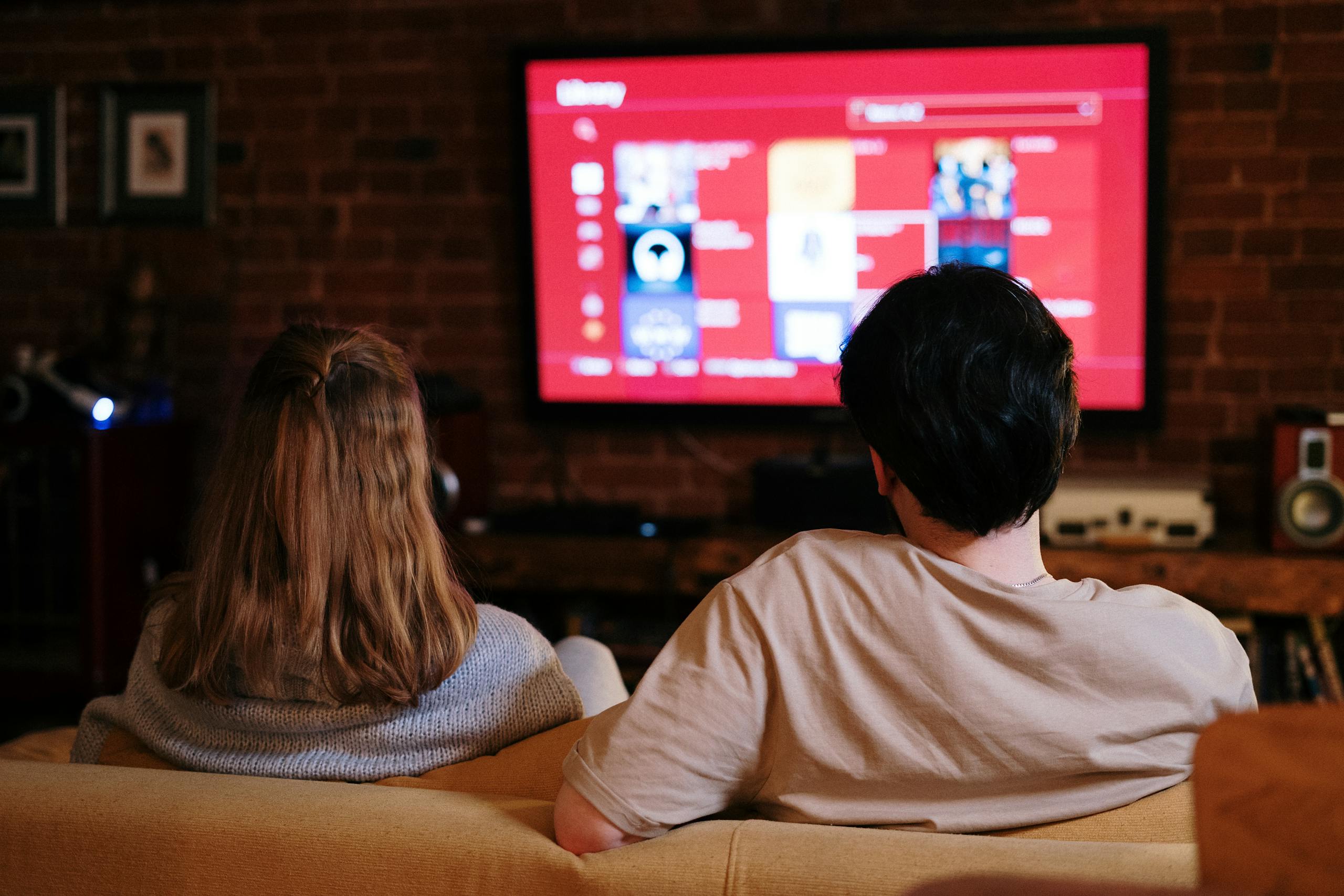
It was a regular Friday evening in the late ’90s, and for someone named Alex, the excitement was palpable. Like many others, they gathered around the TV with their family, the anticipation hanging thick in the air. Tonight was no ordinary night; it was the much-anticipated finale of Seinfeld. For weeks, the ads had been plastered across television screens, fueling heated discussions around water coolers and lunch tables everywhere. It was a cultural moment, one that felt uniquely shared among millions of viewers nationwide.
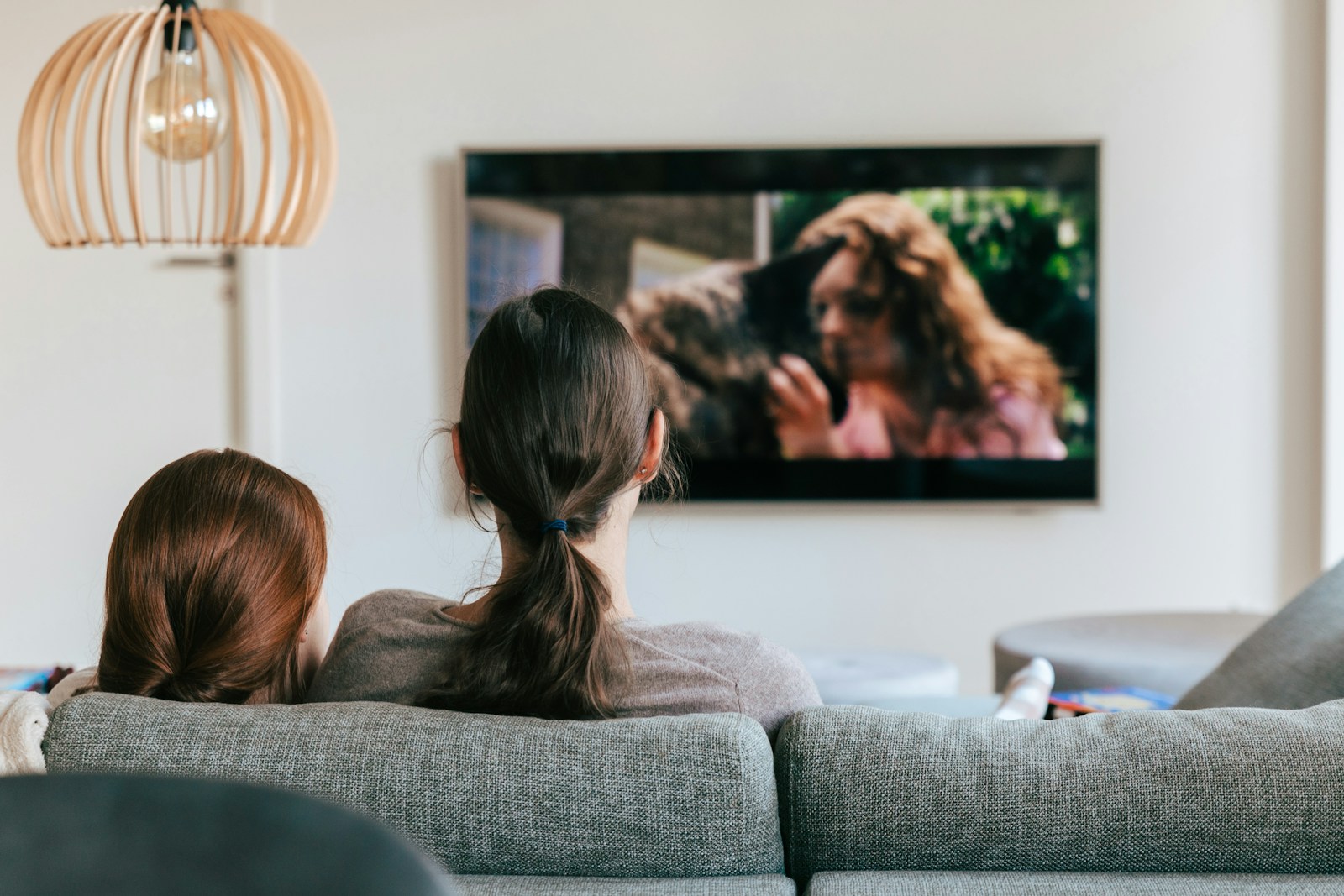
“What do you think will happen to Jerry and the gang?” Alex’s little brother piped up, eyes wide with wonder. Their mom shushed him, a smile playing on her lips, as she waved a bowl of popcorn in his direction. Everyone, from the young kids to the adults, was tuned in. The laughter echoed in their living room, but it was also shared by households across America. The conversations waited until the next day, when schools and offices buzzed with speculation and opinions about Jerry’s fate.
Fast forward to today. Alex, now a millennial in their late twenties, reflects on the nostalgia of shared television experiences. After scrolling through social media, they stumbled upon a discussion thread that asked, “Does anyone else miss the whole country watching TV shows together?” The question hit close to home. It took them back to days when watching a television series meant planning schedules around it, when it was common to discuss plot twists from Friends or ER at the lunch table the next day. The thrill of waiting a week for the next episode added to the excitement—it felt like everyone was part of a rapidly unfolding story.
In those days, each episode was an event. There was the buzz surrounding the love triangle between Ross, Rachel, and Joey on Friends, the shocking medical emergencies on ER, and the nail-biting episodes of Survivor. Every show seemed to spark conversations that connected friends and even strangers, allowing them to share opinions, theories, and anecdotes. The U.S. was a collective audience; the laughter and tears were experienced almost synchronously.
Now, however, with streaming platforms dominating the space, that shared experience felt like a relic of the past. Alex lamented the endless scroll of shows and options available on services like Netflix or Hulu. “What are you watching?” became a daunting question, often met with a shrug and a comment about how there were just too many choices. Few could keep up, and even fewer would watch the same series at the same time. The water cooler conversations had all but faded, replaced by flurries of social media posts that often flew under the radar of casual conversations.
“I can’t remember the last time I had a genuine conversation about a show with friends,” Alex mused. The chaos of binge-watching an entire season at once often eliminated the anticipation that came with waiting for the next episode. They missed the thrill of theorizing about what would happen next, the communal experience of sharing reactions in real-time. “What I wouldn’t give to go back to the days when I could ask, ‘Did you see what happened on that episode of Scream Queens last night?’ and actually expect everyone to know what I was talking about,” Alex sighed.
The thread sparked a wave of similar sentiments from others participating in the discussion. Many resonated with the sense of loss regarding the shared narrative that was once the fabric of American culture. The flood of nostalgic memories painted a vivid picture of what once was—a time when families would gather, friends would plan watch parties, and office gossip revolved around TV plots rather than just the latest viral video. It was all about connection, and for many millennials, that connection felt like it had faded into the background of an increasingly individualized viewing experience.
As Alex scrolled through the comments, they felt a surge of bittersweet nostalgia. Sure, they enjoyed the freedom of streaming and the ability to watch whatever they wanted whenever they wanted, but it came at a cost. The simplicity and joy of shared cultural moments seemed to have taken a backseat to the rapid pace of modern life. And while the world around them had transformed, the longing for those simple evenings spent laughing together remained.
More from Cultivated Comfort:
- 7 Vintage Home Items From the ’60s That Are Collectors’ Dream Finds
- 7 Vintage Home Goods That Became Collectors’ Gold
- 7 Fast-Food Chains That Changed for the Worse
- 7 Frozen Dinners That Were Better Back in the Day