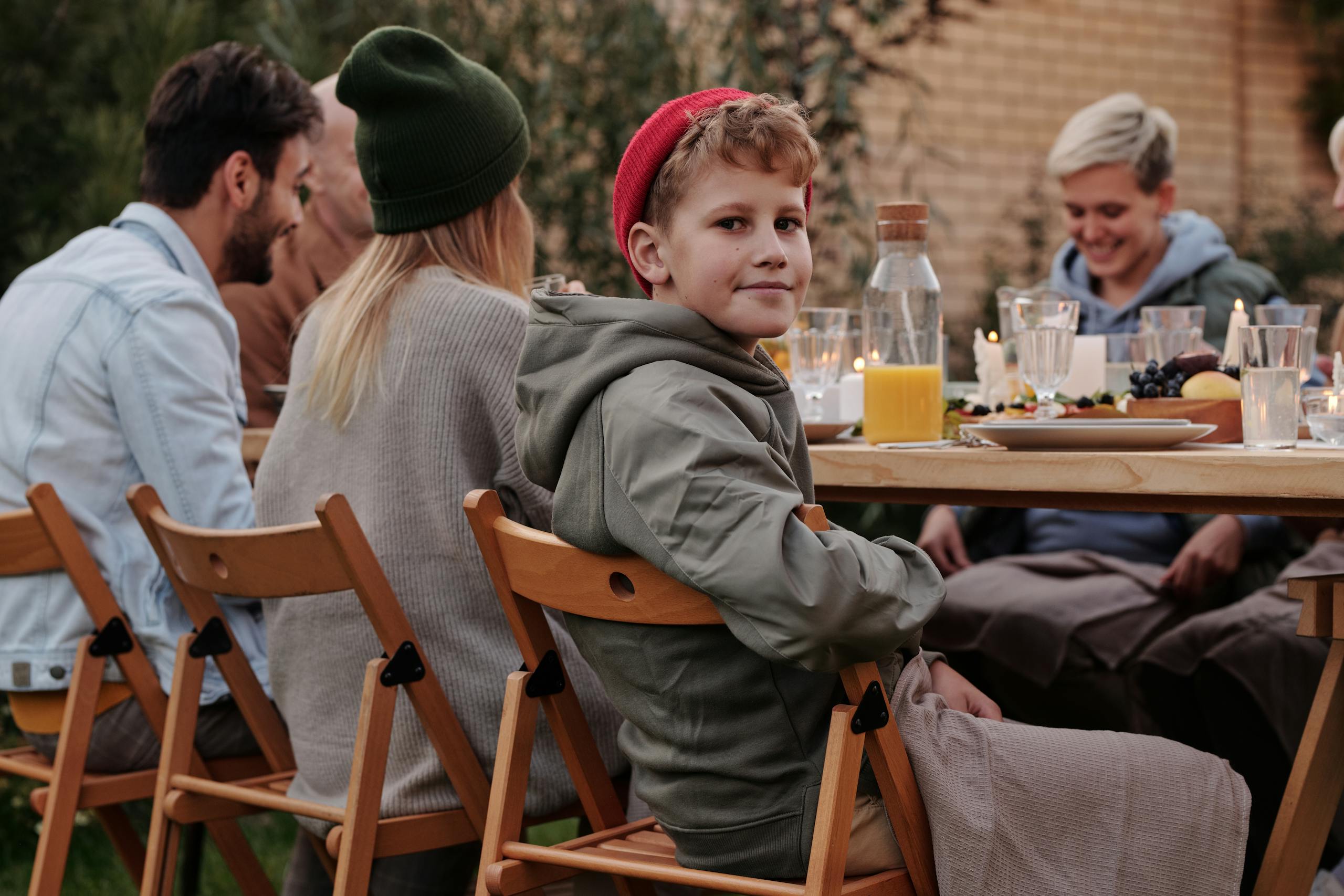
It was a typical family reunion, the kind where everyone gathered at a relative’s house, and the air was filled with the smells of summer barbecue and the sounds of laughter and play. Children ran across the yard, while the adults mingled, sipping their drinks, trading stories, and reminiscing about old times. Amidst the chaos, he noticed his wife locked in a hushed conversation with his uncle, Dave. A slight grin crept onto his face; he remembered that same intense discussion happening with him years ago.

Every family has that one uncle, the one who feels the need to give you “the talk.” For him, it was Uncle Dave. Fairly easygoing, but when it came to parenting, he had a way of delivering advice that felt more like an obligation than any genuine interest in helping. The conversation turned serious when Uncle Dave, attempting to navigate the complexities of strict parenting, patted him on the back and said, “You know your dad is different. You just need to try harder to be a good kid for him.”
Those words echoed in his mind, a blend of sympathy and frustration. Did Uncle Dave even understand? It wasn’t just about trying harder; it was about the suffocating standards and the relentless pressure to perform. “I get it, Uncle Dave,” he wanted to say, but instead, he faked a nod, acknowledging the loss of any semblance of normal teenage rebellion.
As he watched his wife engage in the same family tradition, he couldn’t help but think about the rest of his cousins. Just how many of them had faced the same strict household rules, the same overwhelming expectations? “I know how you feel,” Uncle Dave would say to each of them, wearing a compassionate, yet awkwardly knowing smile. The irony didn’t escape him; it was as if they were an experiment in strict parenting, all of them striving for invisibility under the watchful gaze of their parental figures.
He turned to the crowd of cousins nearby, their voices cheerful but their eyes reflecting the quiet rebellion that bubbled beneath the surface. Names and faces flooded his memory: Max, the prodigal son who always seemed to shoulder the most responsibility; Jenna, the quiet overachiever who never dared to break curfew; and Sam, the perennial underdog, always a few steps behind in the race for approval. Each of them bore their scars, their own versions of “trying harder” to be seen, to be validated.
As the afternoon wore on, he felt a strange camaraderie arise in this unspoken shared experience. He sidled over to Max, who was recounting a story about their adventures as kids. “You know, I was always jealous of how laid-back your parents were,” he said, half-jokingly. Max replied with a smirk, “You think that was laid-back? You should’ve seen the look on my mom’s face when I brought home a B+.” It was a small crack in the armor, a hint of vulnerability beneath the bravado.
It turned into a sort of game, trying to pinpoint who had the toughest parent among them. Their conversations zigzagged from tales of punishment for the smallest infractions to the times they sneakily snuck out of the house, only to worry about getting grounded for life. Sam laughed heartily as he recounted how their parents would compare report cards like war medals, each grade scrutinized, analyzed, and weighed against the collective family expectations. “If our parents had a reality show,” he joked, “it would be called ‘Keeping Up with the Overachievers.’”
In this lighthearted banter, they found relief from the memories that had once weighed so heavily on their shoulders. It was almost liberating to share those experiences, to connect over their collective absurdity. There was a twisted sense of solidarity among the cousins. They weren’t just victims of strictness; they became comrades in a battle fought silently.
As the sun began to set, casting a warm glow over the yard, he caught a glimpse of his wife chatting animatedly with Uncle Dave, probably recounting her own version of “the talk.” He smiled, realizing that while their upbringing might have been tough under the rigid expectations of their parents, they had somehow turned out okay. Perhaps those experiences fostered resilience. Perhaps they’d just learned to navigate the oddities of family life better than others.
So, he leaned back and enjoyed the moment, grateful for the shared stories, the laughter, and the comforting chaotic bonds that tied them all together. They were united by a mutual understanding of what it meant to grow up in a family that loved them but often showed it through rigid rules and high expectations.
More from Cultivated Comfort:
- 7 Vintage Home Items From the ’60s That Are Collectors’ Dream Finds
- 7 Vintage Home Goods That Became Collectors’ Gold
- 7 Fast-Food Chains That Changed for the Worse
- 7 Frozen Dinners That Were Better Back in the Day