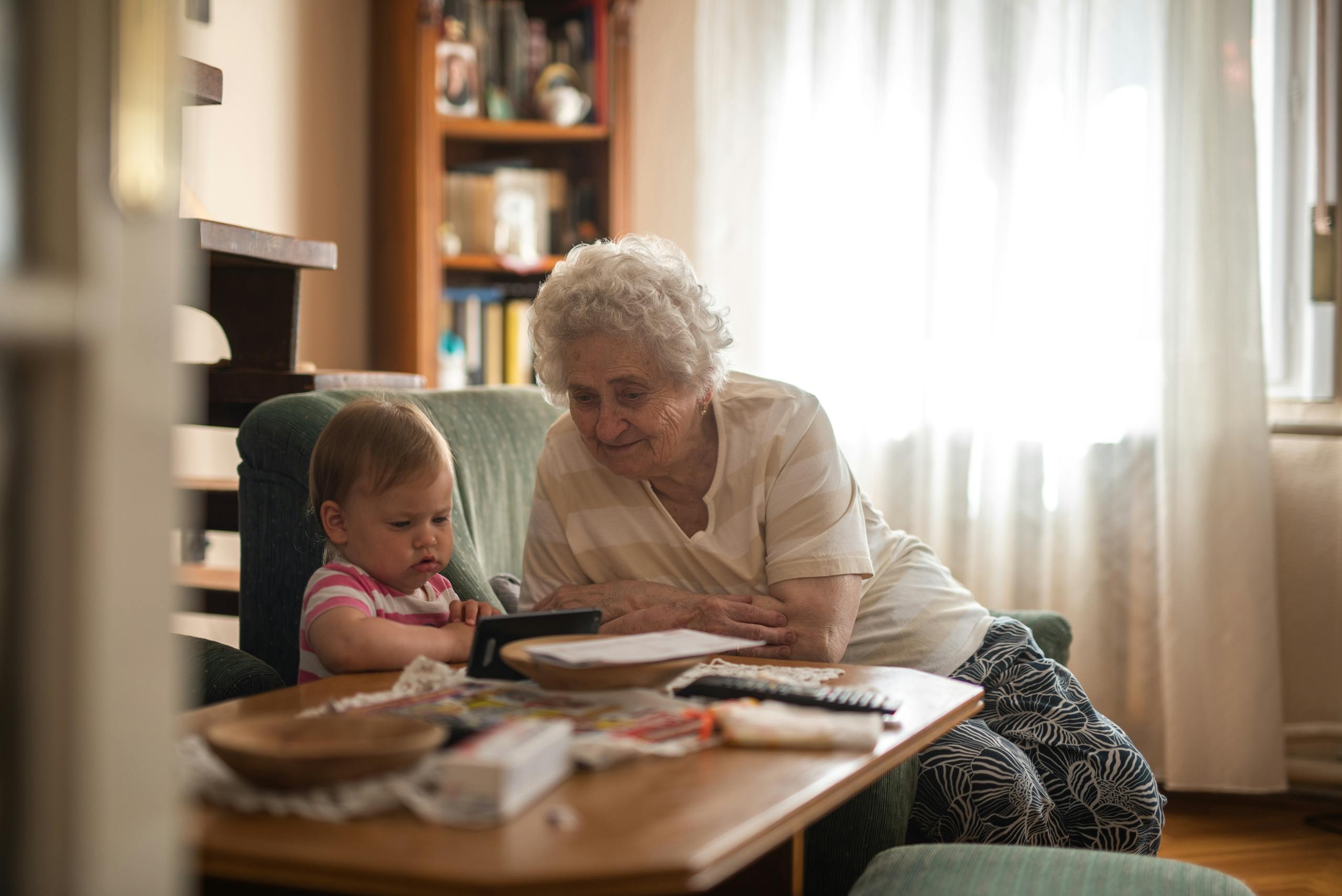
A woman reflected on her relationship with her grandmother, known affectionately as nani, who lived a life that seemed privileged by the standards of her time. Nani was part of a well-off family, married to a devoted husband, and enjoyed the luxuries of life: nice clothes, house help, and a loving home. Yet, Nani’s legacy was one that unfolded in a way that would resonate painfully through generations of women in her family.

Nani had five daughters, and as the woman discovered, the driving purpose of Nani’s life appeared to revolve around marrying off each daughter. This fixation was puzzling for her, especially when she had studied the historical reasons why women were often treated as commodities—bartered and traded with little say in their own futures. Despite her knowledge, she found it alarming that women like Nani, who had themselves experienced the injustices of a patriarchal society, perpetuated it with unwavering commitment.
The woman’s own mother was Nani’s second daughter. She married at 24 and soon fell into the shadows of a turbulent relationship with her in-laws. The pressure and pain bore down on her so heavily that she attempted suicide twice. Yet when the woman asked her mother why she returned to that environment, she was met with silence. The unspoken answer seemed to suggest that no one had encouraged her to defy convention and simply walk away. With a brother and a sister-in-law in the mix, there was an unspoken expectation of obedience and loyalty to a marriage that her mother didn’t choose for herself.
As the woman navigated the complexities of her own life, she learned more about her mother’s struggles. After giving birth to her daughter, the woman discovered a harrowing chapter in her mother’s life. At 28, her mother found herself pregnant for the third time, only to have her mother-in-law decide the baby should be aborted. Lying crying on a bed, her mother sensed the inevitability of the situation, unable to take control. In a twist of events, her mother-in-law sought out Nani, asking her to intervene. Nani, with her five daughters in mind, took a moral stand against the abortion. Yet she simply stepped back and let her daughter face the consequences alone. It was almost a cruel act of non-involvement.
In discussions that followed family visits, Nani would press money into the young women’s hands, insisting they accept blessings and good fortune. At the time, this gesture felt strange; now, it felt profoundly tragic. The woman often thought about what Nani should have been imparting instead: “I bless you that you never have to depend on anyone the way your mothers did.” But that message never came. Instead, Nani perpetuated the cycle by allowing her daughters to remain dependent on their husbands and in-laws, despite the realities they faced within those homes.
Contrasting her mother’s experiences, the woman felt a deep sense of gratitude. Her mother had somehow raised two strong daughters, instilling values of independence and resilience in them despite her own challenges. The woman couldn’t comprehend the burdens her mother had carried at such a young age, particularly when considering the weight of her societal expectations.
The woman’s feelings about Nani were complicated. She wasn’t portrayed as a cruel figure; rather, she was a woman who had every opportunity to challenge the status quo but consistently chose the path of least resistance. The impact of her choices echoed through her daughters’ lives, some of whom were still grappling with the consequences even in adulthood.
What struck the woman was a realization that patriarchy isn’t solely enforced by the men who uphold it. Sometimes it resides quietly in the mothers who never teach their daughters they have options beyond societal expectations. The absence of this vital knowledge can bind generations, trapping women in cycles of dependence and obedience that are difficult to escape.
More from Cultivated Comfort:
- 7 Vintage Home Items From the ’60s That Are Collectors’ Dream Finds
- 7 Vintage Home Goods That Became Collectors’ Gold
- 7 Fast-Food Chains That Changed for the Worse
- 7 Frozen Dinners That Were Better Back in the Day

As a mom of three busy boys, I know how chaotic life can get — but I’ve learned that it’s possible to create a beautiful, cozy home even with kids running around. That’s why I started Cultivated Comfort — to share practical tips, simple systems, and a little encouragement for parents like me who want to make their home feel warm, inviting, and effortlessly stylish. Whether it’s managing toy chaos, streamlining everyday routines, or finding little moments of calm, I’m here to help you simplify your space and create a sense of comfort.
But home is just part of the story. I’m also passionate about seeing the world and creating beautiful meals to share with the people I love. Through Cultivated Comfort, I share my journey of balancing motherhood with building a home that feels rich and peaceful — and finding joy in exploring new places and flavors along the way.