There was a time when Sarah absolutely adored flowers. Bright, colorful blooms could light up her day, and she often bought them for herself just as a little pick-me-up. The fragrance, the vibrant colors, the way they transformed her living space into a mini garden—it brought her genuine joy. But that joy took an unexpected turn, and now she associates flowers with something darker thanks to her husband, Mark.
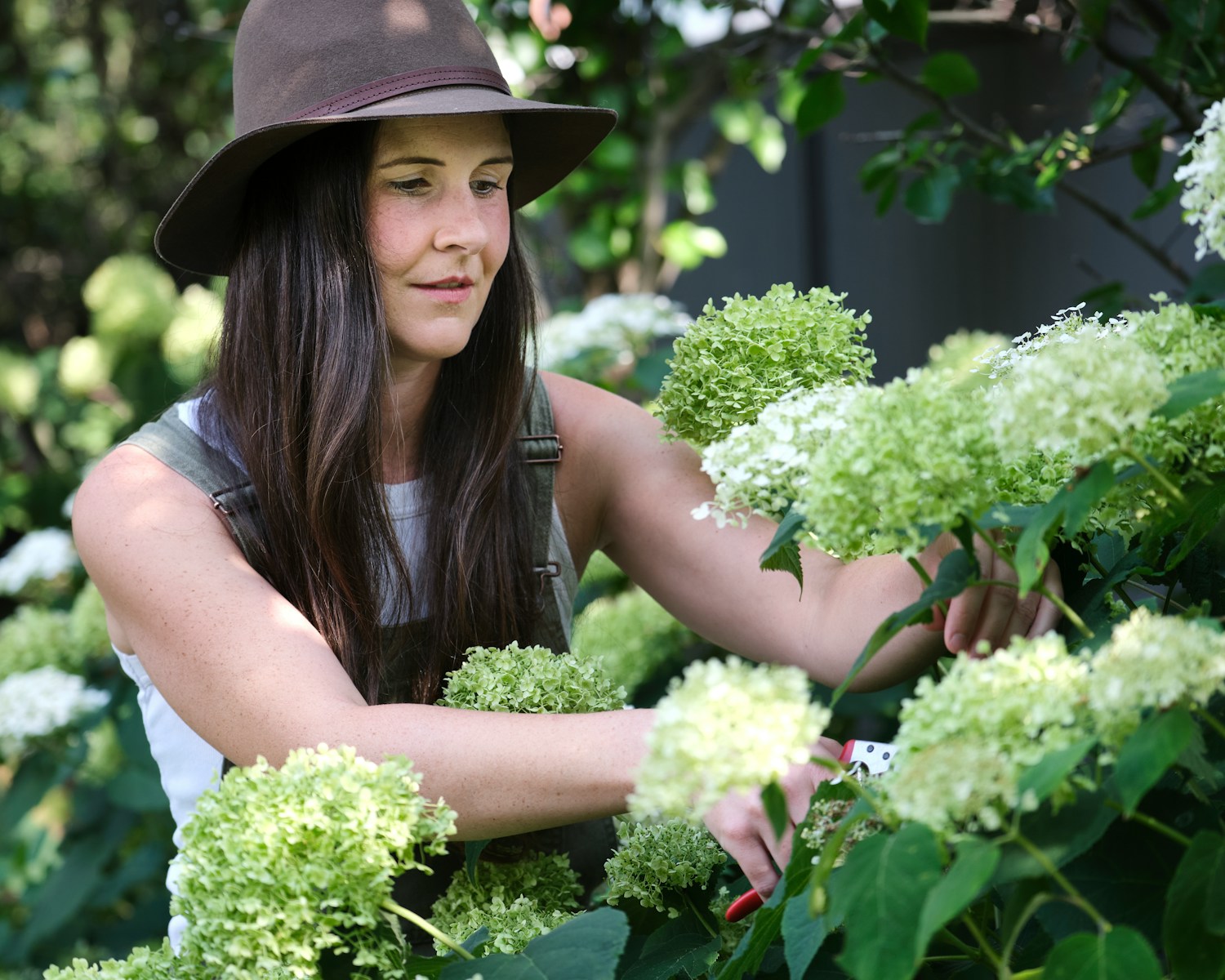
It all started when Mark began to notice that Sarah was upset with him more often than not. Instead of addressing the issues head-on or having a meaningful conversation, he resorted to buying her flowers. Initially, this seemed like a sweet gesture. A way to say “I’m sorry” without having to expressly admit wrongdoing. But as the cycle continued, the purpose behind the flowers became painfully clear: they were a band-aid for problems that needed real solutions.
When Mark walked in with a bunch of wilted daisies from the grocery store, Sarah felt a mix of emotions. She knew he meant well, but the flowers weren’t the same. Gone were the luscious, vibrant bouquets she used to love. Instead, she received sad-looking stems that were clearly a last-minute thought, picked up on his way home as if they were just another grocery item. It felt disingenuous. The flowers, rather than being a symbol of love and affection, became a reminder of his shortcomings and an easy way out of facing difficult conversations.
At first, she tried to appreciate the gesture. Despite the poor quality of the flowers, Sarah forced a smile and thanked him. But over time, the excitement of receiving flowers faded, replaced by a sinking feeling in the pit of her stomach. Every time she glanced at the drooping petals, she couldn’t help but recall the argument or the issue that had triggered the gift. It was almost as if the flowers came with a hefty side of disappointment.
One evening, after yet another argument, Mark came home with a half-hearted bouquet of pink roses. Sarah felt an overwhelming sense of frustration wash over her. “I don’t want flowers anymore,” she blurted out, surprising both herself and Mark. The sentiment felt foreign. How could she say something like that when she had once cherished them? But then again, it wasn’t the flowers she disliked; it was what they represented. They had morphed into a transactional solution to deeper problems, and that manipulation of something beautiful made her heart sink.
“What do you mean you don’t want flowers?” Mark exclaimed, looking puzzled. “I thought you loved flowers!”
“I do love flowers!” Sarah replied, frustration bubbling over. “It’s just that you’ve ruined them for me. You buy them only when you’ve messed up, and it doesn’t feel like you’re actually sorry. It feels like you’re just trying to buy my forgiveness.”
Mark stood there, taken aback, clearly not understanding how his actions had led her to this point. The flowers, for him, were a gesture of goodwill, a way to smooth over the rough edges of their relationship. But for Sarah, they were just a reminder of what was wrong, a cycle of apology without change.
In that moment, Sarah realized how deep their communication issues ran. She craved honesty and vulnerability, yet Mark was stuck in a pattern that wasn’t solving anything. The flower incident brought forth a stark realization: they were both communicating differently, and this disconnect was creating a rift in their relationship.
The next few days were tense. Mark had taken her words to heart, but it wasn’t easy for him to shift his habits overnight. Meanwhile, Sarah found herself mourning the joyful experience she once had with flowers. Yet she stood firm in her decision—she didn’t want to be the “flower lady” with a house full of sad bouquets that reminded her of fights.
After some time, they had a much-needed conversation. Mark expressed his realization that flowers had become a crutch for him instead of an expression of love. They discussed how to improve their communication, taking steps to avoid the quick-fix mentality that had plagued their relationship. Together, they decided to nurture their connection in more meaningful ways, leaving the wilted flowers behind as a symbol of what they were moving away from.
As they worked towards better communication, Sarah found herself tentatively opening up to the idea of flowers again—this time in a new light, one that represented growth, not guilt. That transformation, she hoped, would one day reclaim the joy she once had for blooms.
More from Cultivated Comfort:
- 7 Vintage Home Items From the ’60s That Are Collectors’ Dream Finds
- 7 Vintage Home Goods That Became Collectors’ Gold
- 7 Fast-Food Chains That Changed for the Worse
- 7 Frozen Dinners That Were Better Back in the Day