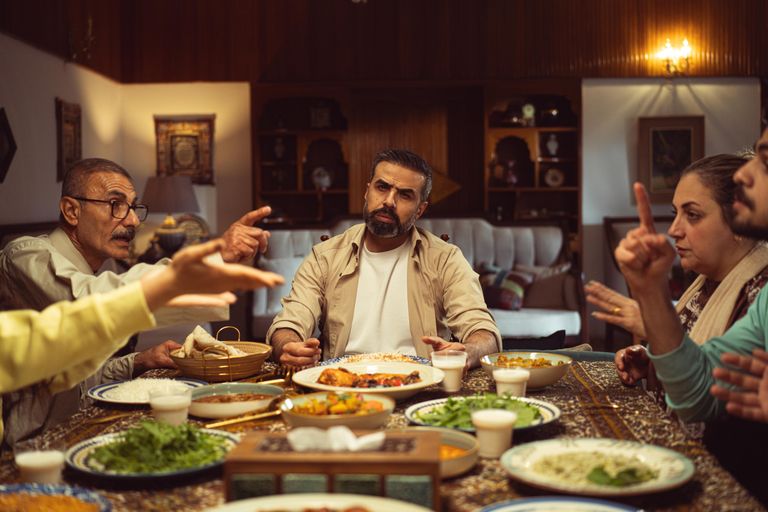
It all started when one of his best friends announced he was getting married. They had been close for years, but over time, their friendship had somewhat faded. Despite this distance, he was excited to support his friend on this big day. However, when he asked if he could bring his girlfriend, the response he got was a bit of a shock. “We’re not doing +1s,” his friend stated bluntly.

They had discussed the possibility of her joining them before the invitations went out. At that time, his friend seemed interested in meeting her first before making a decision. This led him to believe she would most likely be included. So, when he heard those words, it felt especially hurtful. He understood weddings could be expensive, and ultimately, it was their choice, but a slight pang of disappointment hit him. It felt odd for someone he considered very close to leave his partner out of such a significant moment.
Later that day, he found himself added to a group chat with a request: could he help with setup and cleanup for the wedding? It was clear that his friend wasn’t simply inviting him as a guest; he expected him to contribute practically to the day. During their subsequent call, that expectation became even clearer. His friend expressed that they wanted only those who were fully committed to being present throughout the entire event.
“If my girlfriend had been invited, we would have made a weekend of it,” he mentioned. Instead, he was contemplating just attending the ceremony and leaving right after. His friend seemed disturbed by this idea and even pointed out how financially burdensome it would be if he didn’t come since everything was already paid for. That stung a little. He never actually said he wouldn’t attend; he was just trying to express his feelings about the situation.
To add to the awkwardness, right after discussing the wedding, his friend brought up that he still owed him money for a birthday gift from the previous week. He knew he needed to pay it, but the timing felt off. It was one of those moments that made him question the dynamics of the friendship. Was he being viewed more as a resource than a friend?
He started to wonder if his friend truly valued him or if he was simply a convenient person to rely on for help and support. The thought bothered him, especially considering the years they had shared as friends. He understood that friendships evolve, but this felt off-balance. The idea that he might not be invited again if his girlfriend wasn’t welcome gnawed at him.
In the back of his mind, he was wrestling with the idea of just not going to the wedding at all. It was a tough decision, especially given their history, but the situation was causing an internal conflict. The feeling of being expected to help out without an invitation extended to his significant other left a bitter taste in his mouth.
Ultimately, he felt trapped between long-standing loyalty and a growing sense of resentment. He wanted to communicate his feelings without causing further tension, yet he also recognized that the friendship, as it stood, needed reevaluating. The invitation came with strings attached, and he was unsure if he was willing to accept them.
As he reflected on everything, he realized that maybe it was never just about the wedding invite. Instead, it highlighted an imbalance in their friendship that had been lingering for a while. He wasn’t ready to jump to conclusions, but he needed to find a way to navigate the situation without damaging the relationship any further.
In the end, he had a lot to think about. Should he continue to support a friend who seems to take his presence for granted, or was it time to step back and reassess the value of that friendship?
More from Cultivated Comfort:
- 7 Vintage Home Items From the ’60s That Are Collectors’ Dream Finds
- 7 Vintage Home Goods That Became Collectors’ Gold
- 7 Fast-Food Chains That Changed for the Worse
- 7 Frozen Dinners That Were Better Back in the Day