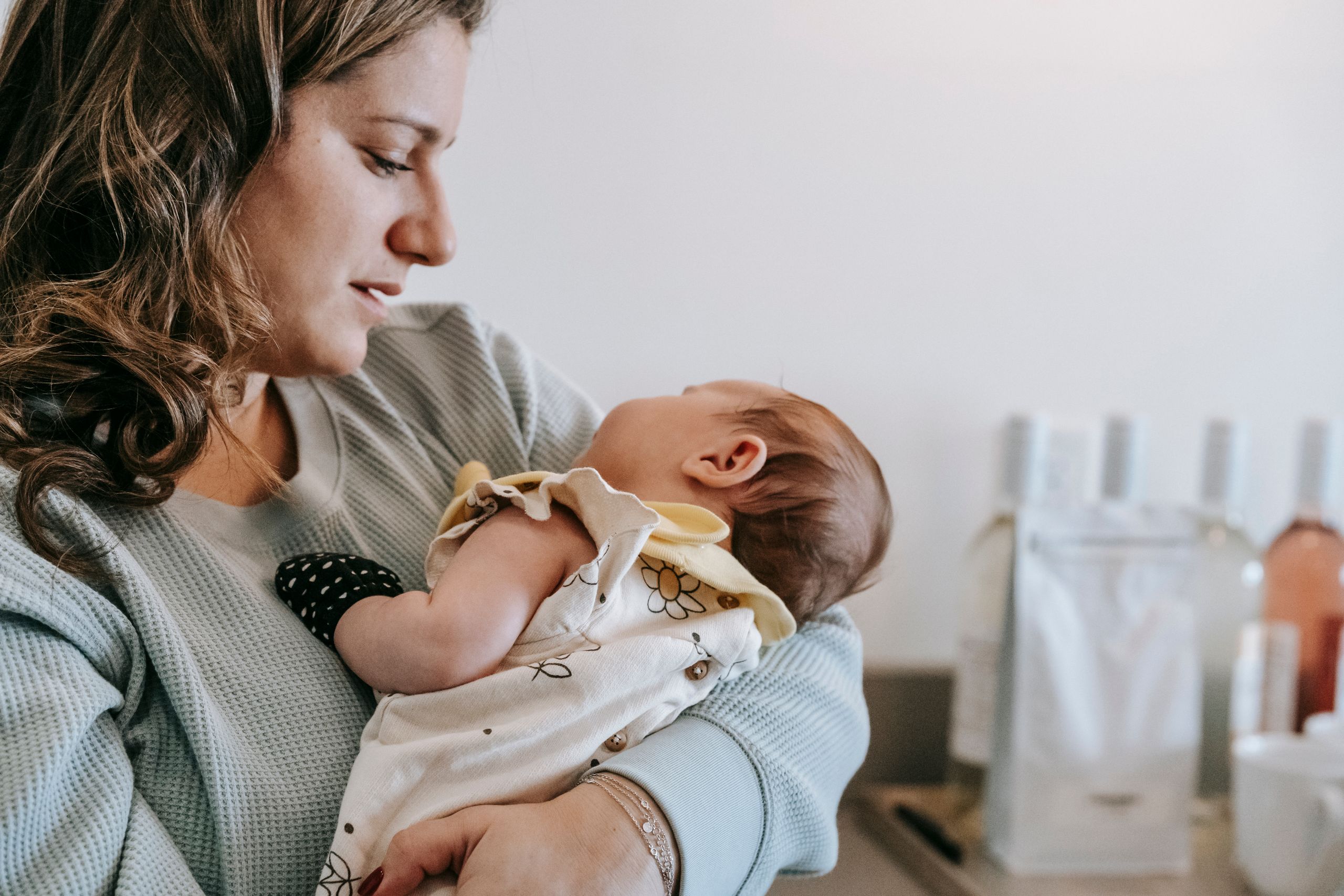
In May, one new mom welcomed her first child, a sweet little girl who, like many newborns, had her moments of chaos amid the joy. Early on, the parents set clear expectations: the first couple of weeks would be a time for them to bond and recover from the intense experience of childbirth. They wanted it to be just the three of them, a private time to adjust to their new life as a family. Both sets of grandparents had the chance to visit after the delivery at the hospital, and it went smoothly.
The mom’s parents and sister were understanding and supportive of their wishes, but the same could not be said for her mother-in-law (MIL). She started dropping hints almost immediately, believing that the new parents should welcome her, or even her own mother, to help out significantly during those first few weeks. “You really need someone to help you!” she’d insist. The couple had clearly communicated that they didn’t need extra assistance just yet, but that didn’t seem to resonate with the MIL.
As the weeks went by, the mom began to feel increasingly uneasy. The mother-in-law continuously suggested that their home was like “Fort Knox,” implying that the new parents were being overly protective and isolating their baby from the world. The comments stung, especially since the new mom felt guilty; was she indeed keeping her child away from family? After all, they had been getting out regularly—taking walks in the park, visiting farmers markets, and sharing moments with friends over coffee. Their circle of support had been more than adequate, and her parents had already stopped by a few times to visit.
One conversation lingered in the mom’s mind. During her pregnancy, the MIL had expressed a desire for a connection with the baby, stating that she “needed this baby to get her something to look forward to.” The mom felt uneasy about the implication that this child could serve as a distraction or remedy for the MIL’s other strained relationships with her two other children, who were currently no contact. The new mom had recognized these red flags early on and shared her concerns about setting clear boundaries with her husband.
Her husband was fantastic about addressing the situation, keenly aware of the dynamics at play. He reassured his wife that if his mother continued to lay on the guilt, he would handle it himself. He was prepared to be more blunt if needed, but they both feared the fallout that might follow. Could this become a battleground for their relationship with his mother?
As the weeks passed, the passive-aggressive comments felt like a growing weight on the new mom’s shoulders. She sought reassurance from forums and discussions with friends who had navigated similar challenges. Were her feelings unreasonable? Was she suffocating her daughter with over-protection? Could they provide the needed socialization to their little one, or was the mother-in-law right about the necessity of family time?
Every moment spent wondering left her feeling guilty, anxious, and unsure. The couple had a delicate balance to maintain, ensuring they could enjoy their new roles without giving in to outside pressures. While they loved their families, the expectation of an open-door policy felt intrusive at times, and the mom was left grappling with the implications of their choices.
Yet, she knew in her heart that this early stage with her baby was fleeting, and they needed to hold on to that sacred time. Perhaps it was necessary to take a firm stance now to prevent bigger issues later. Should she have been clearer with her MIL from the start? Did being a new mom inherently come with feelings of guilt when it came to how others viewed their choices?
Ultimately, the mom found herself caught between her needs as a new parent and the pressure from her mother-in-law, who seemed to want to rewrite her own narrative through the relationship with her first grandchild. As many new parents know, navigating family dynamics can often be the hardest part of becoming a new family. With every passing day, the stakes felt higher, and the relationship with her MIL continued to be a topic of discussion and concern between her and her husband.
More from Cultivated Comfort:
- 7 Vintage Home Items From the ’60s That Are Collectors’ Dream Finds
- 7 Vintage Home Goods That Became Collectors’ Gold
- 7 Fast-Food Chains That Changed for the Worse
- 7 Frozen Dinners That Were Better Back in the Day