
In the small, cluttered apartment of a woman nearing her 70s, an urgent task loomed over her and her granddaughter. Time was not just running short; it was racing ahead, threatening to leave them buried under years of belongings and memories. The grandmother, struggling with chronic pain and the weight of her chaotic living situation, was facing a daunting deadline. The apartment had to be cleared in two weeks for a safety inspection, or they risked being faced with even worse consequences. Complex issues had arisen after the complex was purchased by a large corporation, leading to increased rents and forcing many elderly residents out of their homes.
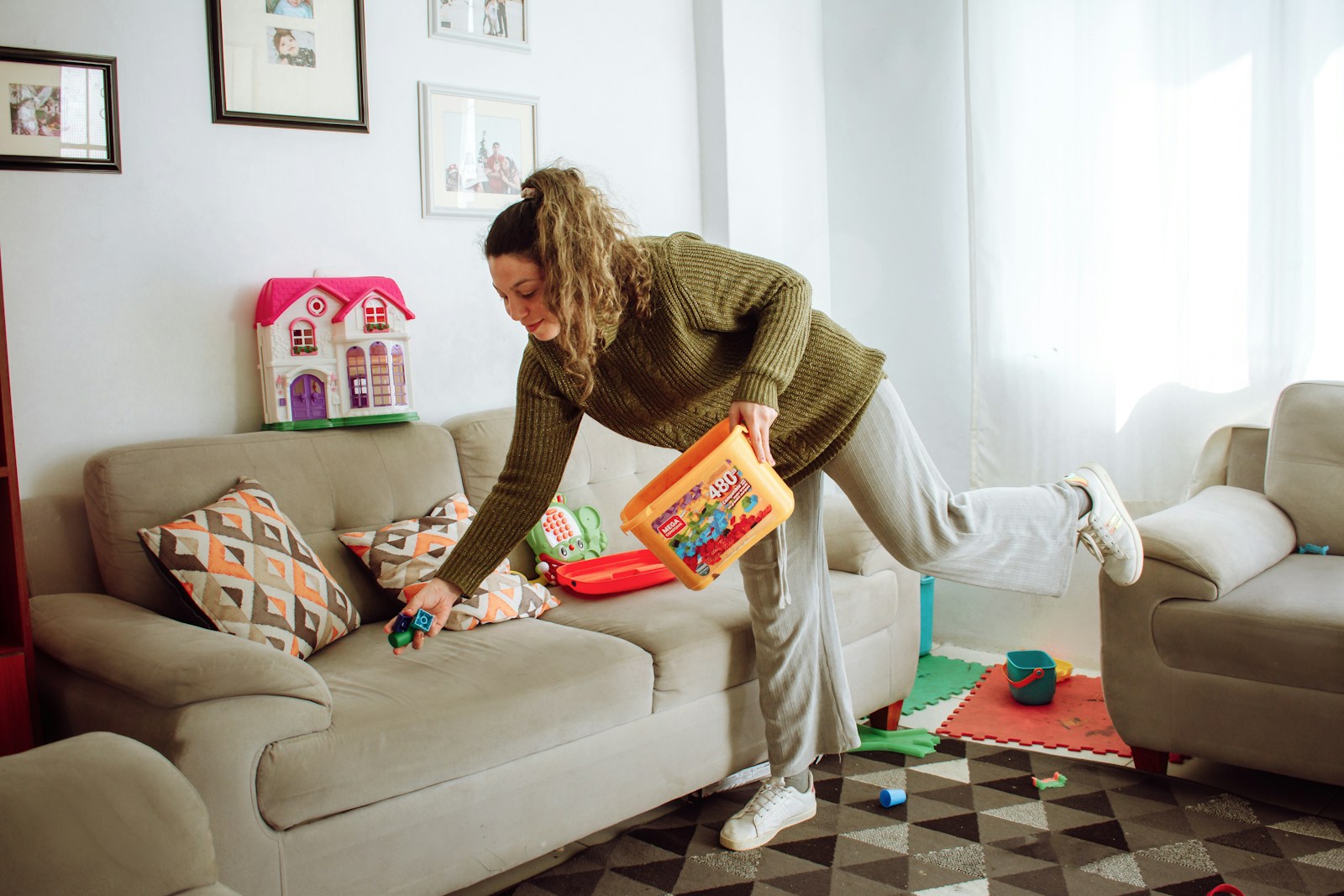
The granddaughter, in her mid-20s, had taken a break from her job, using all available vacation time to assist her grandmother in this monumental task. Both of them were battling their own health issues; the granddaughter managed a chronic illness that left her fatigued but determined, while the grandmother bore the physical toll of aging and the overwhelming shame associated with her hoarded possessions.
On the first day of their two-week countdown, the granddaughter arrived with a plan, a list of essentials to help streamline the process. However, she quickly realized that the best-laid plans often go awry. Instead of diving into the cleaning, they found themselves engaged in a mix of conversations, distractions, and caregiving. The granddaughter made sure her grandmother was comfortable, prepared tea, and even waited for her pain medication to kick in.
“We can do this together, Grandma,” she reassured her, but the path forward wasn’t as simple as she had anticipated. It was tough to watch as her grandmother struggled with each decision, delving into memories tied to seemingly ordinary items. The granddaughter was keenly aware that the sorting process was not just about physical items; it was about coming to terms with a lifetime of memories, some of which were too painful to confront.
With the fridge needing an urgent clean-out, the plan was straightforward: identify the good food and discard the expired. Yet, every conversation about what to keep seemed to lead to deeper emotional discussions. The granddaughter juggled patience and urgency, trying to be the supportive grandchild while also pushing against the ticking clock.
After five hours, they hadn’t even touched the fridge. Instead, they had talked through memories attached to the items, her grandmother’s eyes cloudy with nostalgia, pain, and confusion. “I remember when I cooked this for your grandfather,” she would say, gesturing towards something that was likely far past its expiration date. The granddaughter had to tread carefully, suppressing her own anxiety about the time slipping away.
As the days progressed, the granddaughter created a “necessities list,” designed to streamline the process and keep them focused. The idea was to minimize distractions by boxing up non-essential items and focusing on what they truly needed for the upcoming weeks. They decided that her grandmother would stay mostly in bed, while the granddaughter would handle the heavy lifting and sorting, bringing items for her to review one at a time. Yet again, when the granddaughter attempted to explain this plan, it met with confusion. There was a sense of disconnect about the urgency—something the granddaughter understood but her grandmother did not fully grasp.
She started to feel overwhelmed herself. Each time they would make progress, it felt like they took two steps back when her grandmother would become stuck in memories. Every decision to toss something elicited guilt, and the granddaughter fretted about navigating the emotional landscape while simultaneously needing to stay focused on their deadline. But she reminded herself that her grandmother was in pain and needed her love. The granddaughter’s heart broke a little with every sigh of shame that escaped her grandmother’s lips.
As the deadline loomed closer, the granddaughter began to worry about the level of chaos surrounding them. They needed to clear essentials first and then sift through the rest at a more manageable pace once the inspection passed. “We just need to make it safe for now,” she told her grandmother gently. The hope was to allow them both some respite once the immediate pressure was off; after the inspection, they’d have weekends to sort through memories and belongings at their own pace.
Time management turned into a constant negotiation of emotions, physical limitations, and shared history. While their goal was clear, the path was winding, filled with tears and memories intertwined with the task at hand. The granddaughter held onto the hope that they could make it through this challenge together, albeit slowly.
More from Cultivated Comfort:
- 7 Vintage Home Items From the ’60s That Are Collectors’ Dream Finds
- 7 Vintage Home Goods That Became Collectors’ Gold
- 7 Fast-Food Chains That Changed for the Worse
- 7 Frozen Dinners That Were Better Back in the Day