For a long while, she had been trying to make sense of her life. The mundane tasks of motherhood gradually transformed into a constant struggle, a battleground where her past traumas clashed with her present responsibilities. A few days ago, this internal war erupted when she made a routine grocery run with her toddler. It should have been just another trip, a simple errand to grab the essentials. But as she walked into the store, her heart dropped when she spotted her estranged mother, the very person who had been the source of much of her pain, coming through the opposite entrance with her husband.

In an instant, instinct took over. She dashed back to the car, her toddler in tow. He didn’t understand why they were leaving so abruptly. In his young mind, this abrupt exit felt like a betrayal, a sudden shadow hanging over their little adventure. As she buckled him into his car seat, she noticed the confusion etched on his face. Moments later, he began to cry, upset and inconsolable, unaware of the unseen battles that had just played out in his mother’s mind. The sight broke her heart; this was the last thing she wanted for her child—to feel the weight of her trauma.
After leaving the store, she sat in the car, staring blankly ahead, her mind racing. Grocery shopping had always felt like a minefield, but this incident marked a new low, a stark reminder that her unresolved issues were beginning to warp her child’s reality. She had spent years trying to navigate life around the looming presence of her estranged family, always on high alert, waiting for potential confrontations. Saturdays were particularly taxing, as she never knew where her estranged family members might pop up. It was exhausting and overwhelming, like living with a dark cloud overhead that never quite dissipated.
For months, her doctor had expressed serious concern about her mental health, emphasizing the need for therapy and a change of environment. But nothing had changed. Her husband was present during those conversations, and yet, they had still been met with silence and inaction. She had repeatedly suggested couples therapy, seeking a way to bridge the widening gap between them, but the idea always seemed to float away, never finding solid ground. The lack of movement on such crucial issues felt like a weight pressing down on her, further isolating her in her struggles.
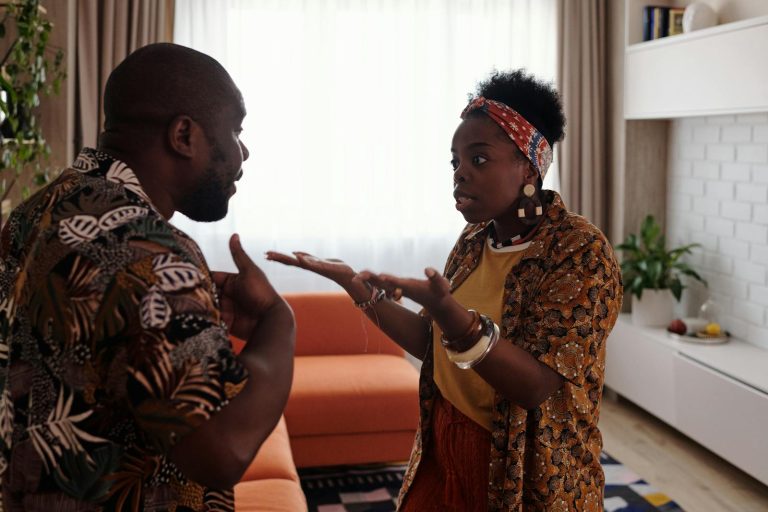
A few days later, the anxiety of needing to leave the house returned. It took her hours to gather the courage to step outside again. But when she finally did, she couldn’t shake the feeling of dread that lingered in her gut. Over dinner, she attempted to share her feelings with her husband, hoping for support or even a simple acknowledgment. She was visibly shaken, still reeling from that moment in the grocery store, and she desperately needed reassurance. Instead, he merely stood up, walked away, and began doing chores around the house without a word. In that moment, she felt the last threads of hope begin to unravel.
It was as if an invisible wall had been erected between them, and she stood on one side, shouting for help, while he remained obliviously busy on the other. The silence felt deafening, leaving her to grapple with the notion that after all her efforts to communicate and heal, she was now feeling emotionally detached from the marriage. It was a strange, unsettling state—a quiet resignation had seeped into her being, and for the first time, she found herself contemplating life outside this relationship more than she ever thought she would.
Days turned into an exhausting cycle of thoughts, feelings, and fears. She started to consider alternatives, options that she once thought were unimaginable. Thoughts swirled in her head about reaching out to strangers for help, possibly creating a GoFundMe to fund therapy and escape the clutches of a life that felt increasingly suffocating. It was a desperate thought, fueled by a feeling of entrapment, but at that moment, it seemed more plausible than relying on the one person who should have been there to lift her up. The overwhelming sense of isolation left her staring into the abyss, unsure of how to move forward.
And as she processed all of this, a painful realization settled in: her husband might never share her urgency for change, and accepting that possibility was like a punch to the gut. Trying to pull herself out of this dark place felt daunting, and she knew that she couldn’t keep living in this state forever. All she wanted was to break the cycle of trauma that had begun to seep into her son’s life, but the path ahead felt more uncertain than ever.
More from Cultivated Comfort:
- 7 Vintage Home Items From the ’60s That Are Collectors’ Dream Finds
- 7 Vintage Home Goods That Became Collectors’ Gold
- 7 Fast-Food Chains That Changed for the Worse
- 7 Frozen Dinners That Were Better Back in the Day