
In the age of social media, everyone seems to have their own story about what it’s like to learn how to drive. Some recount joyful moments shared with family, while others endure a harrowing experience. For one teenager, the latter was increasingly accurate as they navigated the tumultuous waters of driving lessons with their parents.
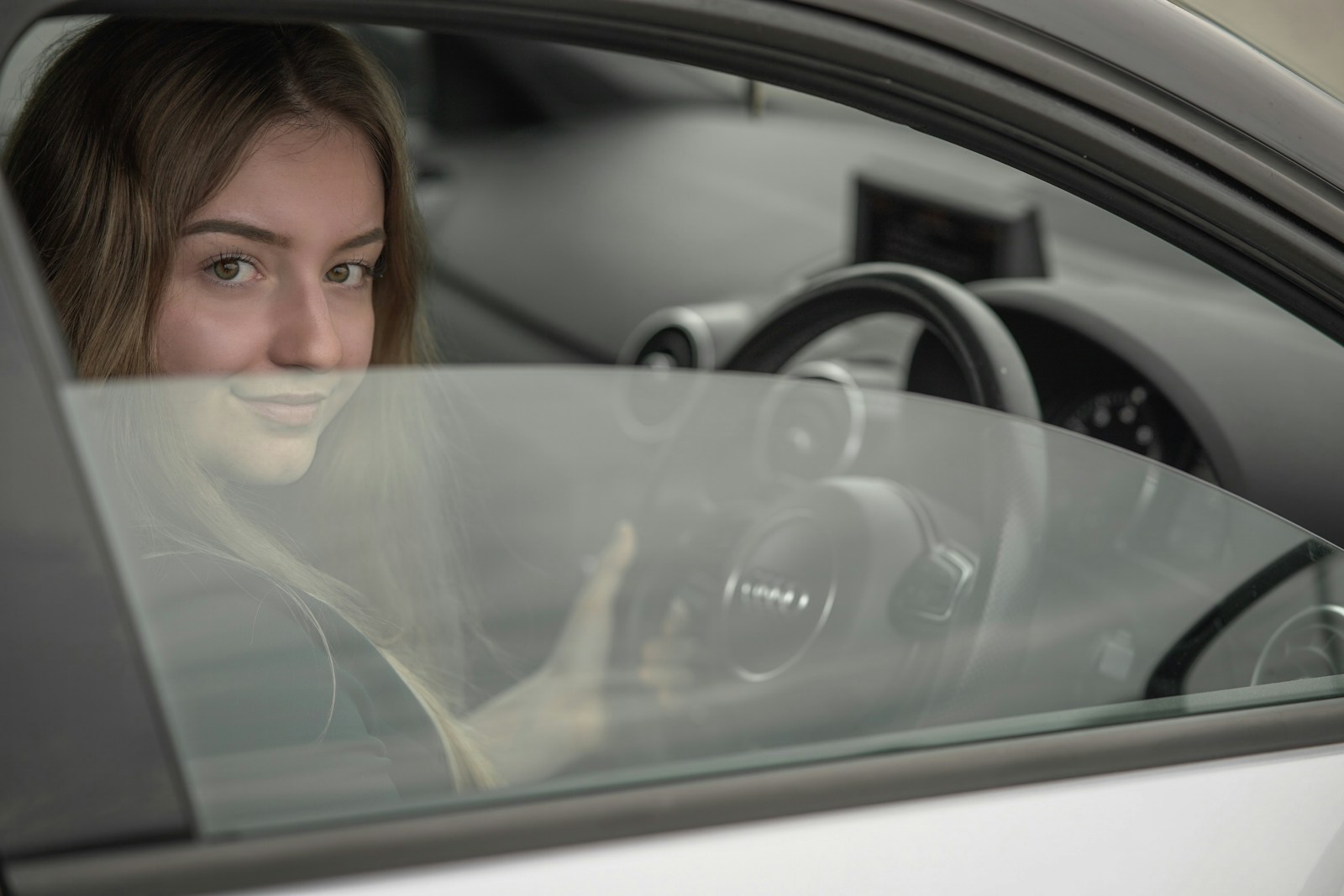
This teenager’s saga began at the tender age of 14 when their parents decided it was time for them to obtain their learner’s permit. The teenager wasn’t exactly thrilled about the idea, but obeying their parents felt like the only option. From the very first driving practice, it became evident that their parents were not the calm, guiding hand they had hoped for.
Every practice session felt like a high-pressure event. Their parents took on the roles of backseat drivers far too seriously, often transforming the car into a battleground of anxiety. The teenager vividly remembers their parents using makeshift flags that were poorly spaced out, crudely acting as “obstacles.” The absurdity was bewildering; the flags were white, not the yellow cones that are standard for driving exercises. With every round of practice, the teenager felt more like a character in a bad movie than a novice driver trying to learn the ropes.
The intensity ramped up when their parents started yelling phrases that echoed in the teenager’s mind: “You killed people!” This bizarre commentary from their parents was something the teenager couldn’t wrap their mind around. What kind of lessons were they supposed to extract from such an extreme response? It only added to the confusion and pressure during what should have been a relatively simple learning process.
Then came the infamous empty parking lot practice. The teenager recalls feeling optimistic, thinking that an open space might provide an opportunity to practice driving without the inherent fears of street traffic. However, the moment they executed a full 180-degree turn, their mother shouted as if they had just crashed into a wall of parked cars. “You’re hitting everyone’s vehicles!” she yelled, as if the parking lot was teeming with imaginary cars. This led the teenager to question how they were supposed to visualize a full parking lot while still learning basic maneuvers.
The written test proved to be another mountain to climb. The teenager failed it a staggering eight times. With every failure, their confidence waned further. They weren’t given the proper experience or guidance initially, and the study materials were scattered and disorganized at best. Their sister, in stark contrast, breezed through the driving process and snagged her license at just 14 without a hitch. The teenager felt like they were playing catch-up in an endless race, retracing steps, studying from outdated flashcards, and waiting interminable months between attempts.
Finally, after what felt like an eternity, they passed the written portion. But the practical exam was another beast entirely. Time and again, they heard the same critiques: “You need to go up to 40!” or “Why did you stop to turn?” Each failure brought forth the same feeling of frustration that caused the teenager to exclaim, “I don’t care about driving anymore!” Their motivation was in shambles.
It wasn’t until the teenager turned 19 that they finally managed to get their license. By that point, they had logged countless hours practicing on a highway with minimal traffic, thanks in part to their grandfather’s car. They felt like they were finally understanding the mechanics of driving. However, even with a license finally in hand, the teenager still felt the weight of their parents’ earlier criticisms. Their expectations had been nothing short of impossible, and the feeling of inadequacy lingered.
Looking back, the teenager realized their parents’ approach was not just tough parenting; it was a pervasive pattern of control and inconsistency laced with unfair expectations. They prioritized their sister’s progress without considering the teenager’s feelings, attributing blame where it wasn’t due. The whole process which should have been aimed at fostering independence instead became a labyrinth of humiliation, stress, and shattered confidence.
As they finally held their driver’s license, the teenager came to terms with the fact that their journey to independence wasn’t just about the freedom of driving—it was a battleground for their self-esteem shaped by their parents’ unrealistic standards. The scars left by these experiences would take time to heal, but they were determined not to let the past define their future.
More from Cultivated Comfort:
- 7 Vintage Home Items From the ’60s That Are Collectors’ Dream Finds
- 7 Vintage Home Goods That Became Collectors’ Gold
- 7 Fast-Food Chains That Changed for the Worse
- 7 Frozen Dinners That Were Better Back in the Day