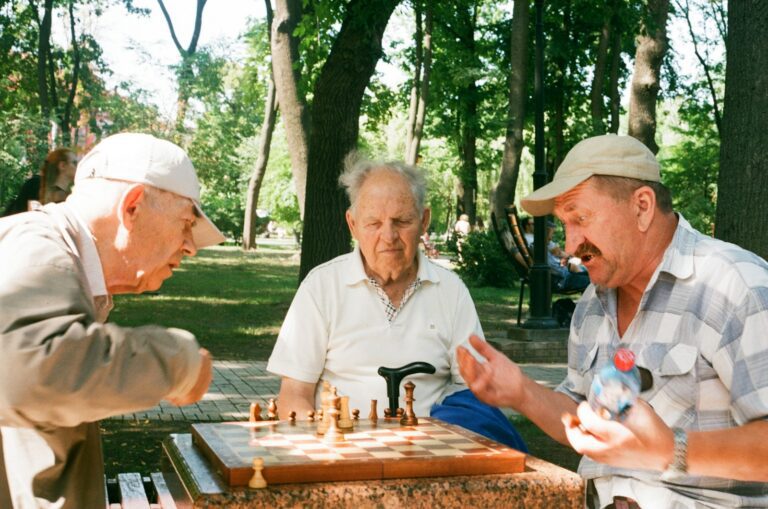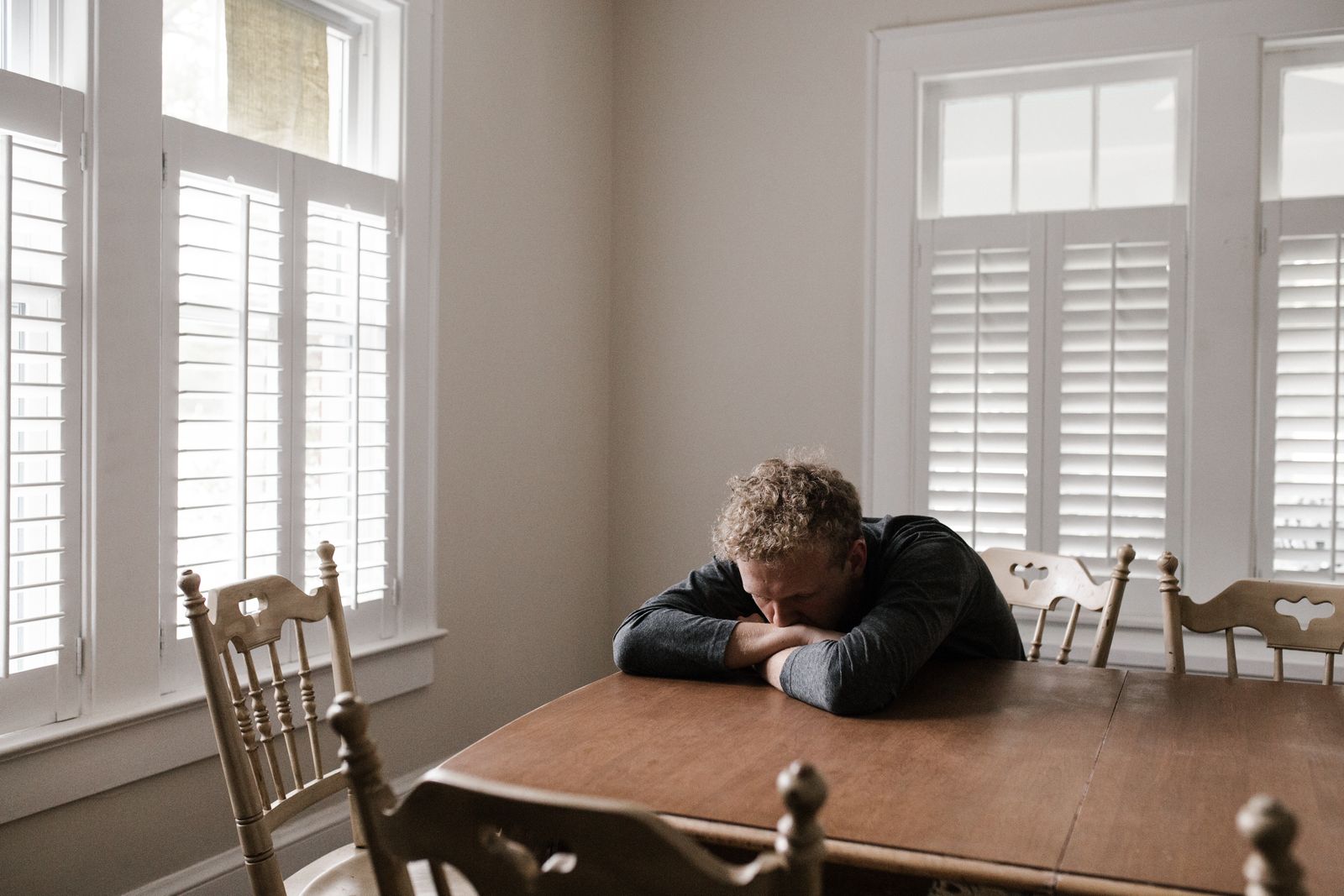
When he was a kid, his father was a constant source of chaos and noise. The sound of screaming was a backdrop to his childhood, a harsh reminder that home was not a place of solace, but rather a battleground. Decades later, as an adult, he found himself questioning the remnants of those years. The seed of resentment had taken root, and it wasn’t until a heated conversation that he confronted his father about the past.

Over the past twelve years, his father’s behavior had notably improved. The outbursts that had come to define their relationship had largely faded, and he had cautiously started to engage with his dad again. He thought that maybe, just maybe, they could build something resembling a functional relationship. However, the scars of the past proved hard to ignore.
It was during a seemingly innocent visit that emotions boiled over. They began talking about life, responsibilities, and everything else in between, but it quickly spiraled into a dispute. The son, emboldened by years of therapy and self-reflection, finally decided it was time to voice his pain. With a shaky but determined voice, he confronted his father about the relentless screaming that filled his childhood. He laid bare how those moments had etched themselves into his memory, shaping his understanding of love and respect.
To his shock, his father brushed off the confrontation as if it were mere fiction. “I never did that,” he declared, waving his hand dismissively, as if waving away the past itself. At that moment, the veneer of improvement cracked. The old patterns resurfaced as if no time had passed. It was as though the years of calm had been a mere illusion, a façade that crumbled under the slightest pressure. In a matter of seconds, the son found himself staring at the same explosive figure from his childhood, with the familiar sounds of anger ringing in his ears once more.
Stunned but also fueled by anger, he yelled back, “Shut up!” The confrontation escalated quickly. The father, now screaming, seemed taken aback. His reaction was a blend of confusion and frustration. “There’s something wrong with you,” he said, casting the blame back onto his son. “You need to reflect on your actions and your character.” It was a classic deflection, the kind that had been a staple of their exchanges when he was a child.
After the confrontation, he felt a mix of emotions: anger, disappointment, but most importantly, a sense of clarity. The father’s reaction revealed a fundamental truth: he had not changed at all. The improvement his son had believed to be genuine was merely a temporary phase. There was no self-reflection, no acknowledgment of past mistakes—just entitlement and a refusal to accept blame.
The son couldn’t help but think about the years spent trying to understand his father’s actions, attempting to find reasons behind the hurtful words that had once been commonplace. He had spent countless nights replaying the moments in his mind—wondering if he was the problem, if his father’s outbursts were an expression of love gone wrong. But now, confronted with the reality of his father’s denial, he realized that the childhood trauma couldn’t just be swept away by a few years of relative calm.
In that heated exchange, he learned something vital: just because someone had shown signs of better behavior for a while didn’t mean they had truly changed. The emotional wounds from childhood hadn’t healed simply because his father had seemingly matured. He grasped that the pain remained real and valid, no matter how much time had passed or how much he wished to move on.
As he left that day, he felt a strange sense of liberation. Although the confrontation had been painful, it was also freeing to acknowledge the truth—both about his father and about himself. He had spent years trying to reconcile with the idea of a loving father figure, only to walk away with the realization that respect must be earned, not demanded.
He no longer felt the need to pretend that everything was okay. The screams of the past might have echoed through his childhood, but they would no longer hold power over his present. His father’s entitlement and delusion were now clear. As the door closed behind him, he felt lighter, ready to forge his own path, one free from the burdens of a tumultuous past.
More from Cultivated Comfort:
- 7 Vintage Home Items From the ’60s That Are Collectors’ Dream Finds
- 7 Vintage Home Goods That Became Collectors’ Gold
- 7 Fast-Food Chains That Changed for the Worse
- 7 Frozen Dinners That Were Better Back in the Day