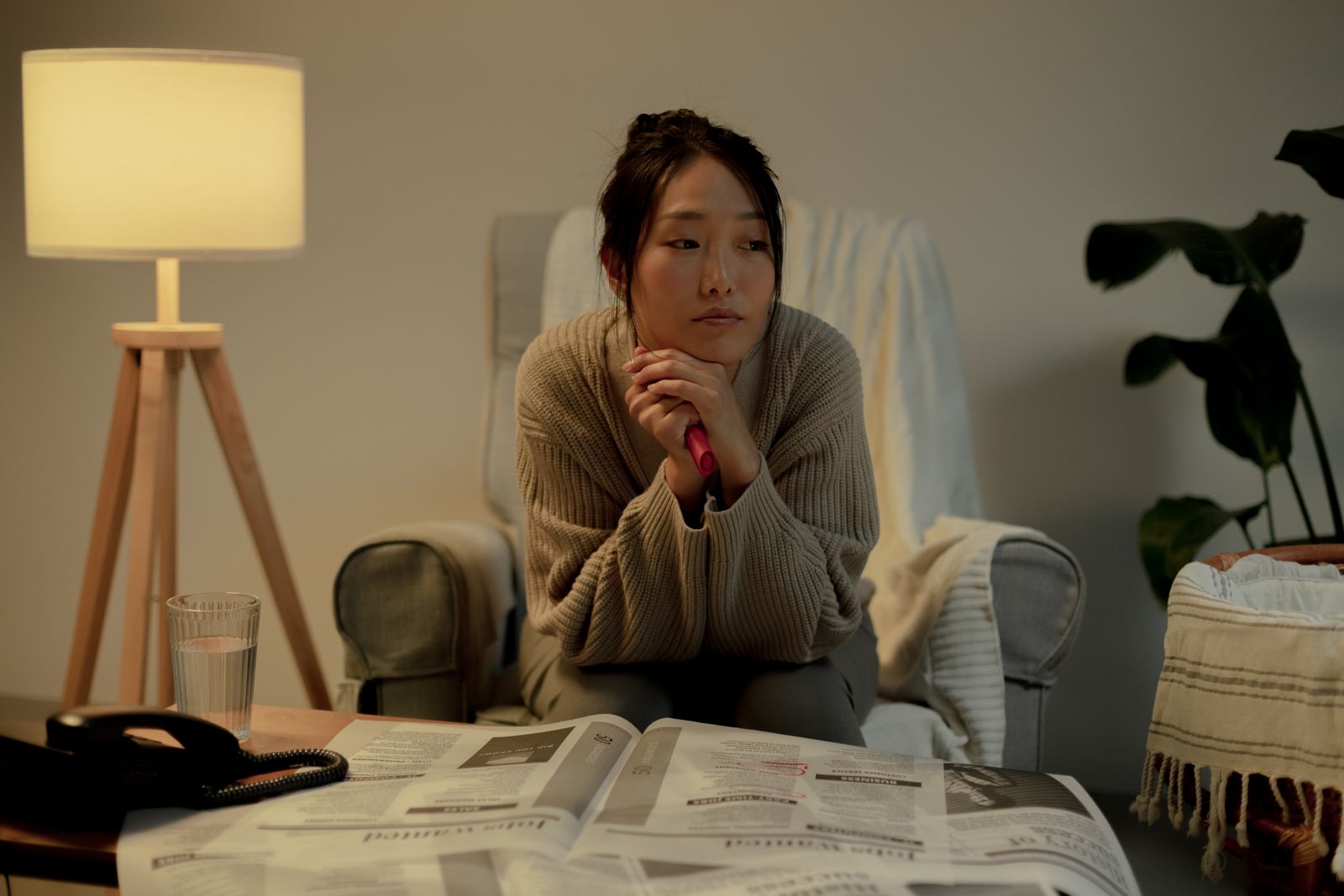
At 38 years old, she felt like she was finally piecing together the puzzle of her life, but the realization came with a painful sting. After years of confusion and struggle, she had discovered that she was autistic. However, the diagnosis didn’t just stop there; it went deeper, revealing that she also had ADHD, forming the new term “AuDHD” to describe her experience. In that moment, everything clicked into place. Her entire life, marked by challenges, began to make sense in a way it never had before.
The feelings of pain and confusion she had endured were overwhelming. Suddenly, the reasons behind her struggles were laid bare in front of her: the chronic exhaustion from trying to maintain a full-time job, only to burn out after a year; the never-ending battles with anxiety in social situations; communication issues with her husband that seemed insurmountable; the skin sensitivities she had always thought were odd; autoimmune conditions that puzzled even her doctors; and the chronic pain that shadowed her daily life. All of it, she came to realize, was intertwined with her neurodivergent brain.
But the most gut-wrenching part of her realization was the role her parents played in her life. Her father, a pediatrician, seemed to have a front-row seat to her struggles, yet he chose not to act. Instead, he downplayed her symptoms, telling her to stop clearing her throat so people wouldn’t think she had a mental disorder. The words echoed in her mind; they were meant to shame her into conformity rather than offer understanding. Her mother, on the other hand, harbored a fierce disdain for psychiatrists, which seemed to stem from her own self-centeredness and laziness. Together, they had created an environment that denied her the care and understanding she so desperately needed.
It wasn’t just that her parents were unaware; it felt like they were willfully ignorant. Given her gifts and intelligence, they had the perfect cover to dismiss her struggles. It allowed them to uphold their image while ignoring the clear signs of her neurodivergence. For her, the result was a lifetime of feeling inadequate and rebellious, as if she were constantly failing to meet expectations that were never meant for her. This relentless pressure led her to experience compounded meltdowns, depression, and an endless cycle of burnout. For the past decade, she had become a shadow of her former self, a smoldering remnant of the person she once was.
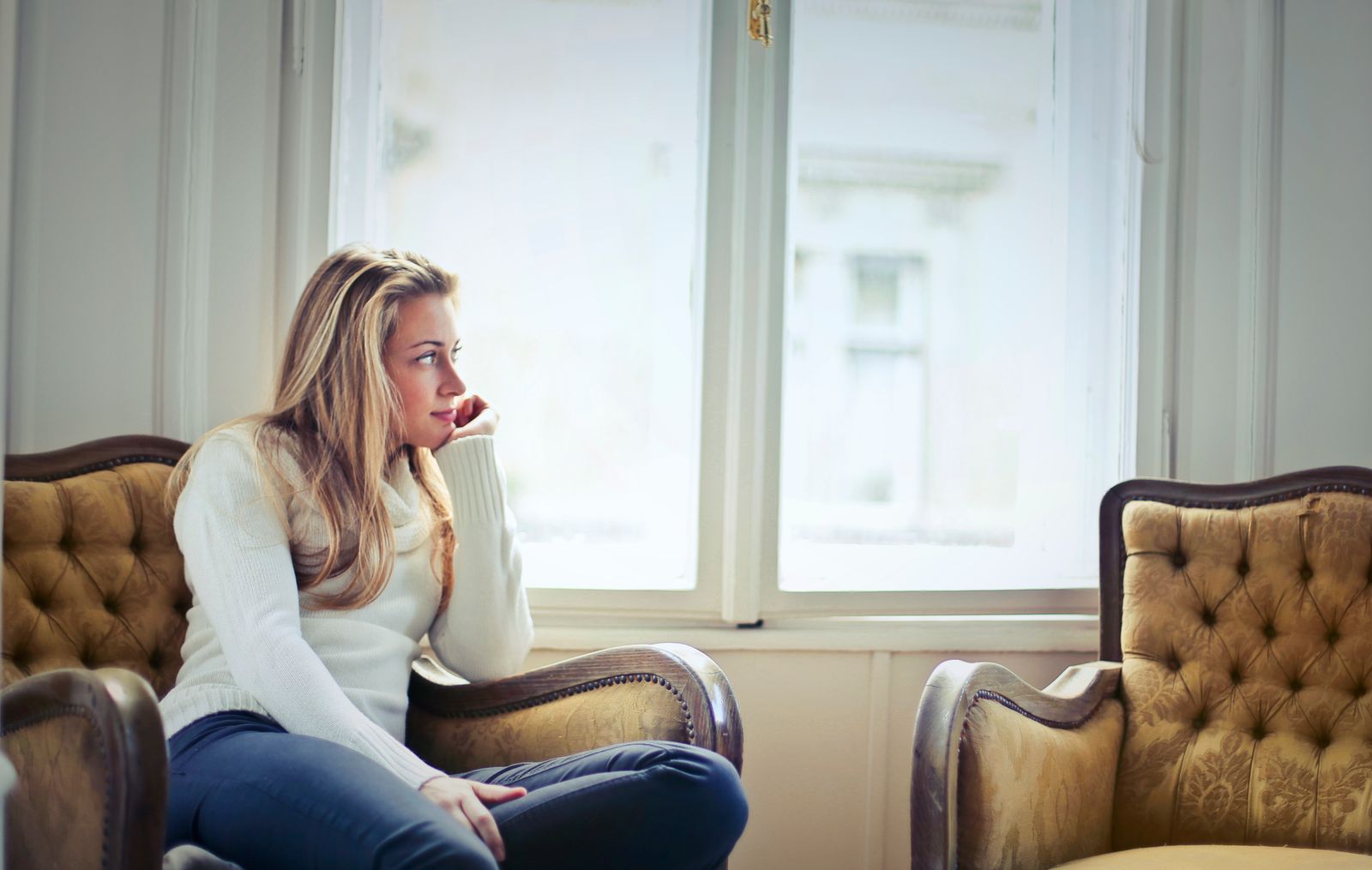
As she sat in her living room, reflecting on her childhood, she couldn’t help but feel a mix of relief and anger. It was a violent realization that the myriad of ailments she had dealt with over the years were interconnected symptoms of her autism, symptoms that could have been addressed if only she had been given the care and understanding she deserved. Instead, she was left in a haze of misunderstanding and neglect. The cost of this denial was immense, an immeasurable toll on her mental and physical health.
With tears in her eyes, she couldn’t help but wonder how different her life could have been if her parents had faced the truth about her condition. How many moments of joy and potential had been lost to this fog of ignorance? The burden was heavy, and it weighed down on her with each passing thought. She felt the absence of care, accommodations, and the chance to truly thrive as her authentic self. The cost of that denial was immeasurable, and she was left grappling with the fallout of a lifetime of struggles.
In the quiet moments, she sought connection from others who might know the same pain. Her heart ached for stories of shared experiences, hoping to find solace in the knowledge that she wasn’t alone in this struggle. It felt daunting, but as she logged onto her computer, she decided to share her story on Reddit, hoping that others would resonate with her journey. Even if she couldn’t reply to everyone, she wanted to create a space for those who had been similarly silenced, to vent and connect in the shared struggle against the misunderstanding and rejection they faced from their own families.
In that moment of vulnerability, she felt a flicker of hope. Perhaps by sharing her truth, she could help illuminate the shadows for someone else, and together they could find a way to heal in a world that had often felt unaccommodating and harsh. As she clicked ‘post,’ she felt a sense of relief wash over her, knowing that she was finally taking a step toward reclaiming her narrative.
More from Cultivated Comfort:
- 7 Vintage Home Items From the ’60s That Are Collectors’ Dream Finds
- 7 Vintage Home Goods That Became Collectors’ Gold
- 7 Fast-Food Chains That Changed for the Worse
- 7 Frozen Dinners That Were Better Back in the Day