
A few mornings ago, a seemingly trivial incident escalated in a way that many people in a neighborhood can relate to, especially when it involves neighborly disputes and homeowner associations (HOAs). It was around 7:30 a.m. when the main character of this story, a dad who had just dropped his daughter off at school, was getting ready to head to work. His morning routine was interrupted when a police officer approached him.
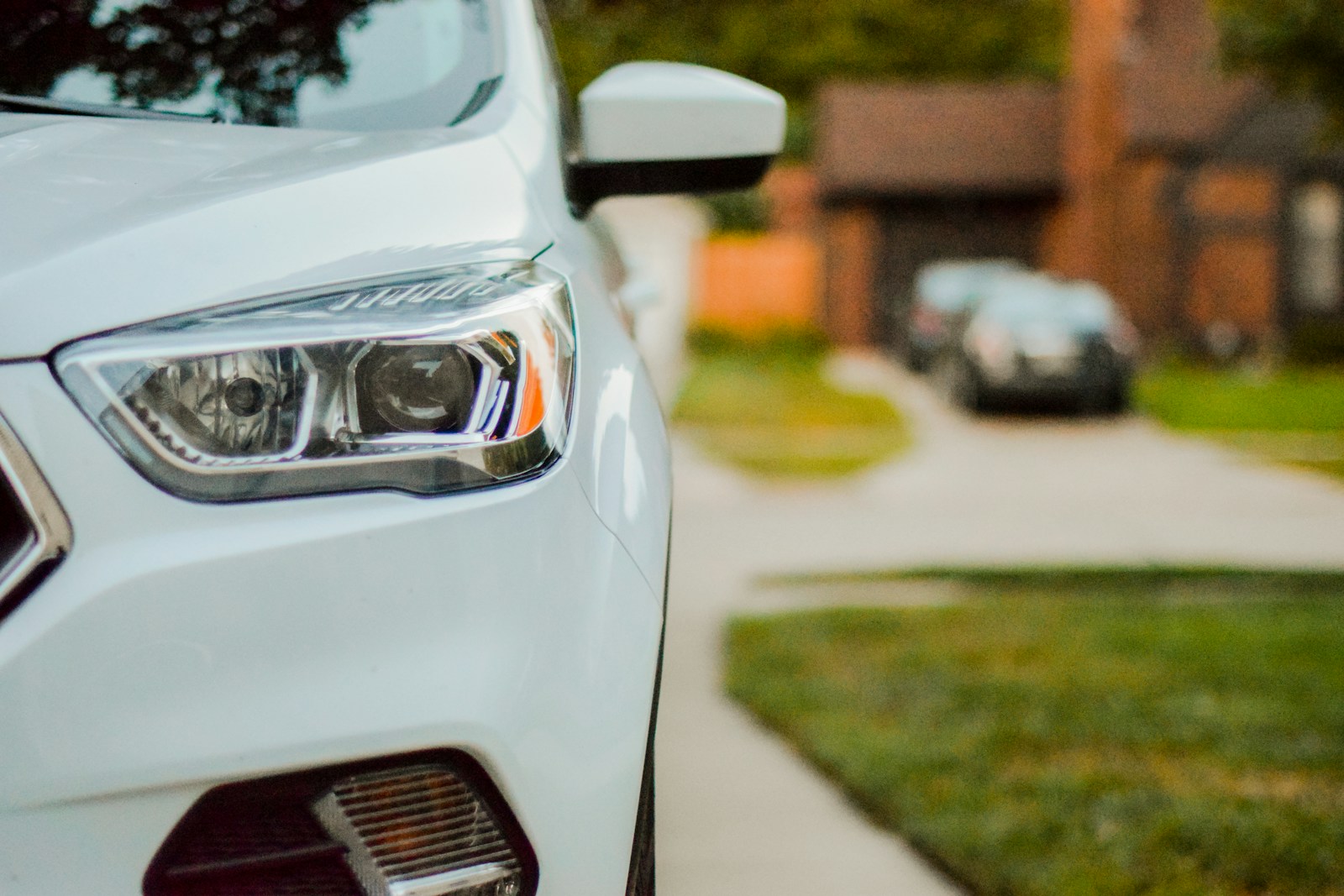
The officer informed him that his neighbor had called in a complaint. Apparently, a friend of the family’s daughter had parked in a way that allegedly blocked the neighbor’s driveway. The officer, however, took one look at the situation and promptly apologized. He confirmed that the car was not blocking the driveway and the neighbor had plenty of room to exit. The officer’s visit turned out to be a non-issue, but it left the dad feeling exasperated. After all, calling the police over a minor parking situation felt a tad excessive.
But this incident didn’t happen in isolation. The dad recounted that this wasn’t the first run-in with these neighbors. A year ago, when the family first moved into the neighborhood, they had encountered a rather intense scenario. At the time, their fence had not yet been installed, and the neighbors owned two large German Shepherds. One fateful afternoon, while the dad was outside with his two Australian Shepherds (both leashed), the neighbor let their dogs out without leashes. The dogs charged toward the dad and his dogs in an aggressive manner.
Instead of intervening, the neighbor stood by, yelling at his own dogs instead of bringing them under control. In a chaotic scramble, the dad managed to get one of his dogs back inside, but the other remained with him and became protective. The ensuing chaos was enough to knock the dad down onto the pavement. While the neighbor eventually put his dogs back inside and expressed concern for the dad’s well-being, the situation left a bitter taste, highlighting a lack of consideration for boundaries.
As time went on, the dad experienced smaller, yet cumulatively frustrating issues. The neighbor’s kids frequently played with a ball near the dad’s driveway, occasionally hitting their parked cars. The dad brushed it off, thinking kids will be kids, but it added to the feeling that they had a pattern of overstepping boundaries.
Then came a more recent issue. After returning from a vacation, the dad noticed that the neighbors had welcomed a new puppy into their family. While having a puppy is a joy, the neighbors were less than diligent about cleaning up after it. Unfortunately, the fallout from this neglect included dog poop scattered all over their lawn, with some even crossing over onto the dad’s side. Feeling this was crossing a property line, he sent an email to the HOA, explaining the situation. However, after sending that email, the neighbor’s wife blocked him on Facebook, signaling a further breakdown in communication.
So when the police were called over a parking dispute, the dad felt this was more than just a misunderstanding; it felt like a part of an ongoing saga of disputes. His husband, on the other hand, suggested that raising the issue with the HOA after the police had already intervened might escalate tensions unnecessarily. But the dad felt justified in wanting to document the ongoing issues with the neighbors through the HOA. After all, these problems were repeated and had created a certain level of stress.
In a twist that the dad didn’t see coming, he soon received an email from the HOA thanking him for his photographs that showed the car not blocking the driveway, as well as the cop car parked comfortably on the driveway. The HOA mentioned that they appreciated the documentation, especially since it appeared the neighbor had spent her whole morning complaining about him instead of addressing their own actions.
This entire situation serves to highlight how even small issues can snowball into larger conflicts, especially when neighbors have differing perspectives on boundaries and respect. It also underscores the role that HOAs can play in mediating disputes, even if not everyone is pleased with the outcomes. Ultimately, the dad felt a sense of validation from the HOA’s response, but he couldn’t shake the feeling that the neighborhood dynamics had irrevocably shifted.
More from Cultivated Comfort:
- 7 Vintage Home Items From the ’60s That Are Collectors’ Dream Finds
- 7 Vintage Home Goods That Became Collectors’ Gold
- 7 Fast-Food Chains That Changed for the Worse
- 7 Frozen Dinners That Were Better Back in the Day

As a mom of three busy boys, I know how chaotic life can get — but I’ve learned that it’s possible to create a beautiful, cozy home even with kids running around. That’s why I started Cultivated Comfort — to share practical tips, simple systems, and a little encouragement for parents like me who want to make their home feel warm, inviting, and effortlessly stylish. Whether it’s managing toy chaos, streamlining everyday routines, or finding little moments of calm, I’m here to help you simplify your space and create a sense of comfort.
But home is just part of the story. I’m also passionate about seeing the world and creating beautiful meals to share with the people I love. Through Cultivated Comfort, I share my journey of balancing motherhood with building a home that feels rich and peaceful — and finding joy in exploring new places and flavors along the way.