
In a bustling neighborhood filled with the hum of daily life, a single mother living on the first floor of a divided house found herself in the midst of an ongoing conflict with her upstairs neighbor. Both mothers were navigating the complexities of parenting while balancing their individual challenges. The downstairs mom was a full-time college student, raising her two children largely alone, while her upstairs neighbor was a stay-at-home mom with three kids: two younger ones and a teenager. This imbalance of responsibility set the stage for a series of boundary-testing encounters.
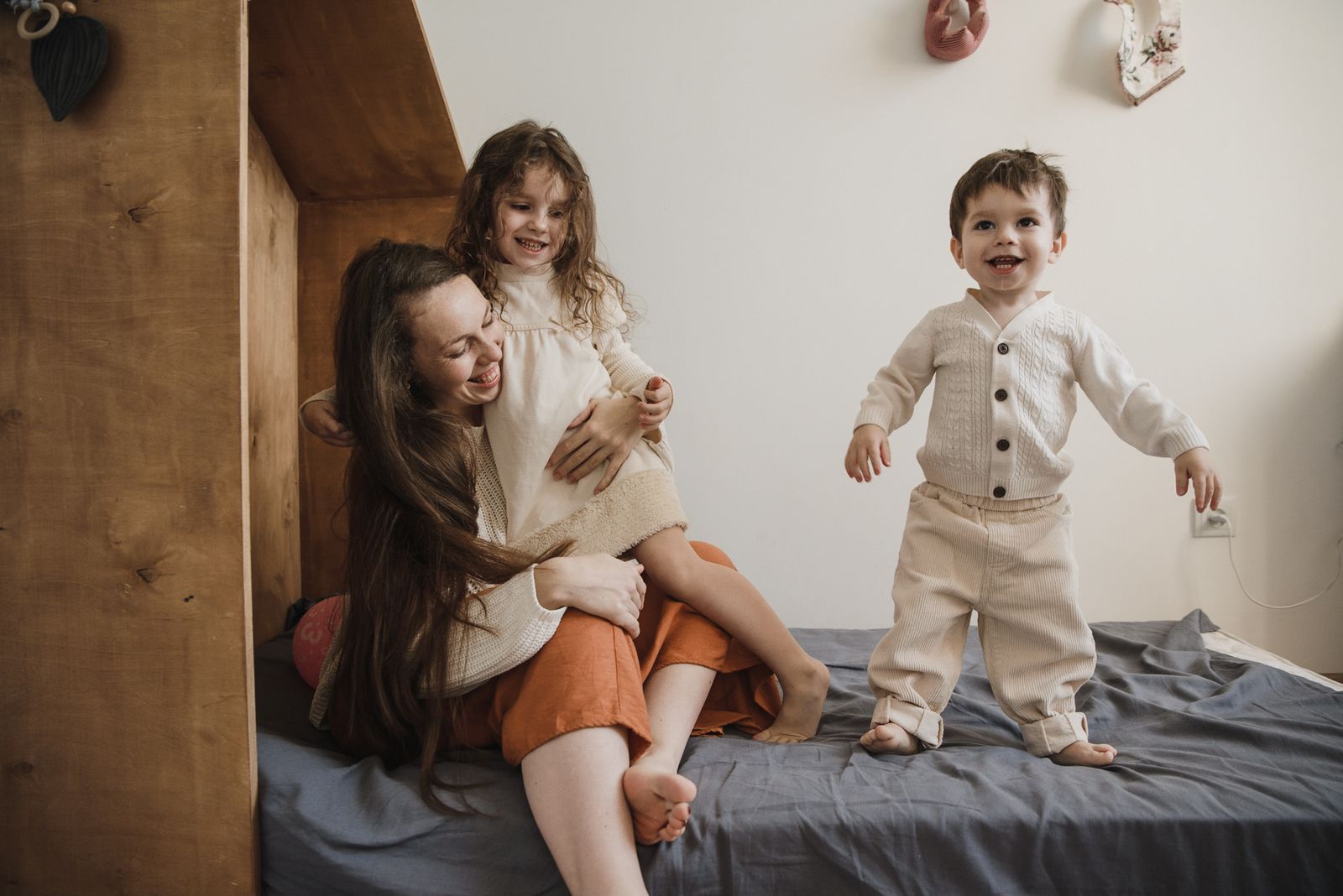
Initially, the downstairs mom had generously opened her door to the kids from upstairs. She often found herself babysitting for hours without any formal agreement or appreciation. Her neighbor would drop off her children for what seemed like a quick errand but would often leave them for extended periods, sometimes up to five hours. The downstairs mom would feed the kids, play with them, and supervise their antics—all while juggling her own responsibilities. But rather than feeling appreciated, she felt taken for granted.
One instance stood out where the neighbor’s kids were crying, not wanting to return upstairs, which only deepened the downstairs mom’s resentment. The situation escalated when she noticed that one of the children had attempted to set up a hidden camera during their time downstairs, a move that made her feel uncomfortable and questioned her generosity.
After seeking advice, she finally resolved to set some boundaries, limiting her babysitting to once a week. For a while, this worked well; however, her neighbor’s self-serving requests persisted. One Monday, she watched the neighbor’s kids for two hours, only to receive a text asking her to keep them longer. When she texted back to inform the neighbor she was sending them upstairs, she hoped for an acknowledgment or a return favor—something that never came.
The breaking point came on her neighbor’s child’s birthday. The downstairs mom, trying to be neighborly, offered to watch the kids for a while as the neighbor prepared for the party. After two hours of managing the children outside in frigid temperatures, she was surprised to see another child brought over without so much as a hello from the neighbor. Frustrated, she texted the neighbor again to say she was going inside and could no longer watch them. Instead of any form of gratitude, the neighbor was annoyed, further solidifying the downstairs mom’s feeling of being used.
This dynamic wasn’t just limited to childcare. The upstairs neighbor regularly borrowed items, often failing to return them. The downstairs mom had learned to stop lending out money and household items, as each time it felt like one more way she was being taken advantage of. Even hand-me-downs she had generously given were met with little appreciation. The upstairs neighbor had a son older than the downstairs mom’s children but had never offered any hand-me-downs in return.
The situation grew increasingly intolerable. The downstairs mom recalled times when she lent her car to the neighbor, only to see the neighbor roll her eyes in annoyance when she took a bit longer than expected. When the downstairs mom had car trouble, she simply walked her kids to school, while the neighbor waited for her to drop off her children. Additionally, during winter storms, she found herself shoveling snow not only from her driveway but also from her neighbor’s walkway, only to have her efforts be criticized later. It felt like an endless cycle of giving without receiving any support or recognition in return.
With each encounter, the downstairs mom’s frustration grew, especially as her children began to notice the disrespectful comments made by the neighbor’s daughter about her. The daughter had called her a loser and said she was boring compared to her mom—all while the neighbor seemingly did nothing to rectify the situation. The downstairs mom was left questioning her place in this unbalanced relationship and whether it was worth continuing to engage with her neighbor.
Ultimately, the downstairs mom reached a crossroads: should she continue to allow the neighbor’s kids over at all? Or was it time to firmly establish a no-babysitting policy altogether? It was becoming increasingly clear that her neighbor was taking advantage of her kindness, and the ongoing boundary issues were wearing her down. With her own kids reacting to the negative influences and her patience wearing thin, she began to contemplate the best way to reclaim her space and sanity.
As she pondered her next steps, one thing became evident: the dynamics of their neighborly relationship needed to change. The once-friendly exchanges had morphed into a cycle of unmet expectations and resentment, highlighting the complexities of living in close proximity while navigating the challenges of motherhood.
More from Cultivated Comfort:
- 7 Vintage Home Items From the ’60s That Are Collectors’ Dream Finds
- 7 Vintage Home Goods That Became Collectors’ Gold
- 7 Fast-Food Chains That Changed for the Worse
- 7 Frozen Dinners That Were Better Back in the Day