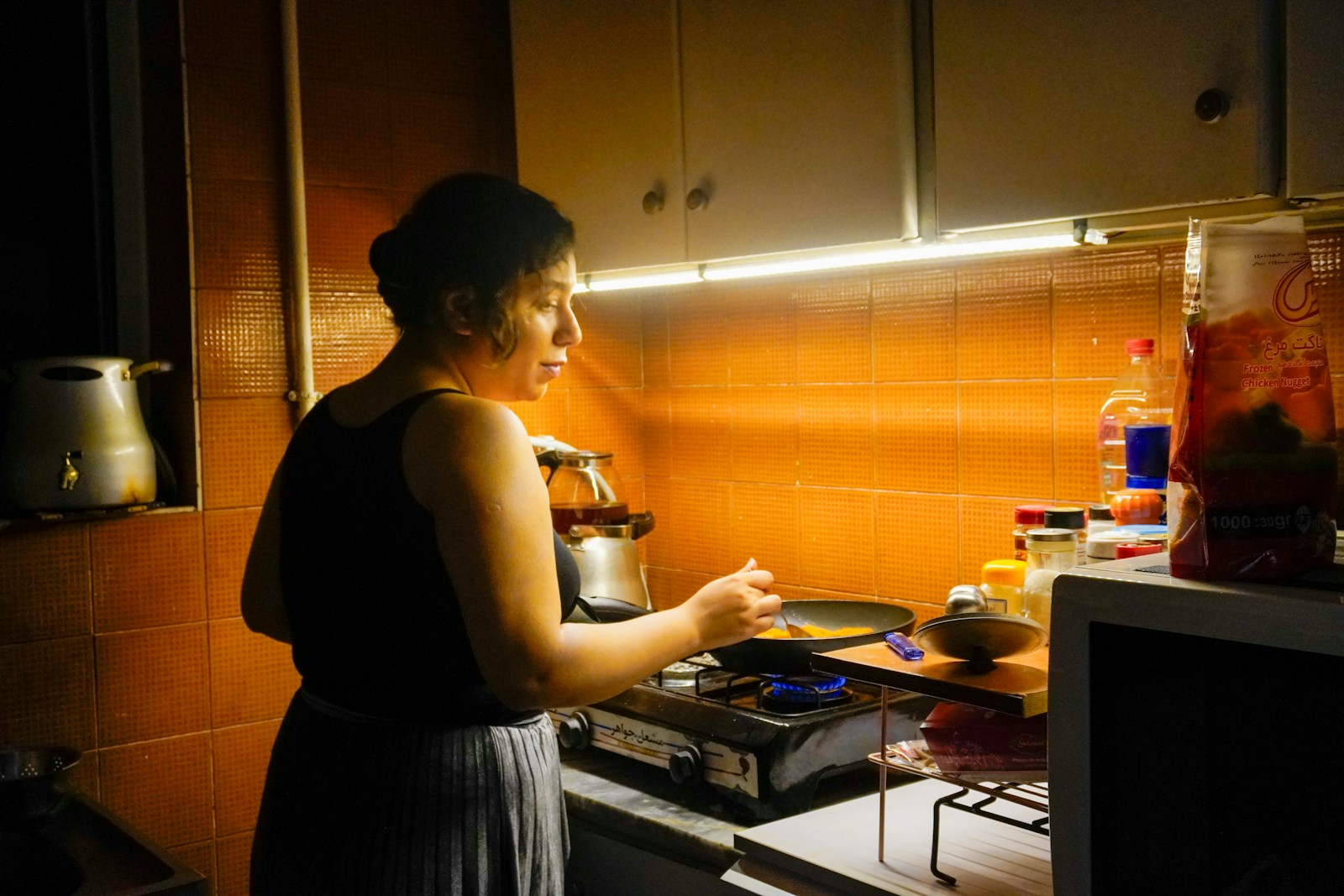
In a quiet suburban neighborhood, an Italian mother found herself in the middle of a culinary controversy that left her questioning her parenting decisions. It all began when her teenage daughter invited a friend over after school for an impromptu dinner. Eager to provide a warm and welcoming environment for the young guests, the mother reached out to the friend’s parents to confirm that it was okay for her daughter to stay over. With the green light given, the stage was set for an evening filled with friendship and food.
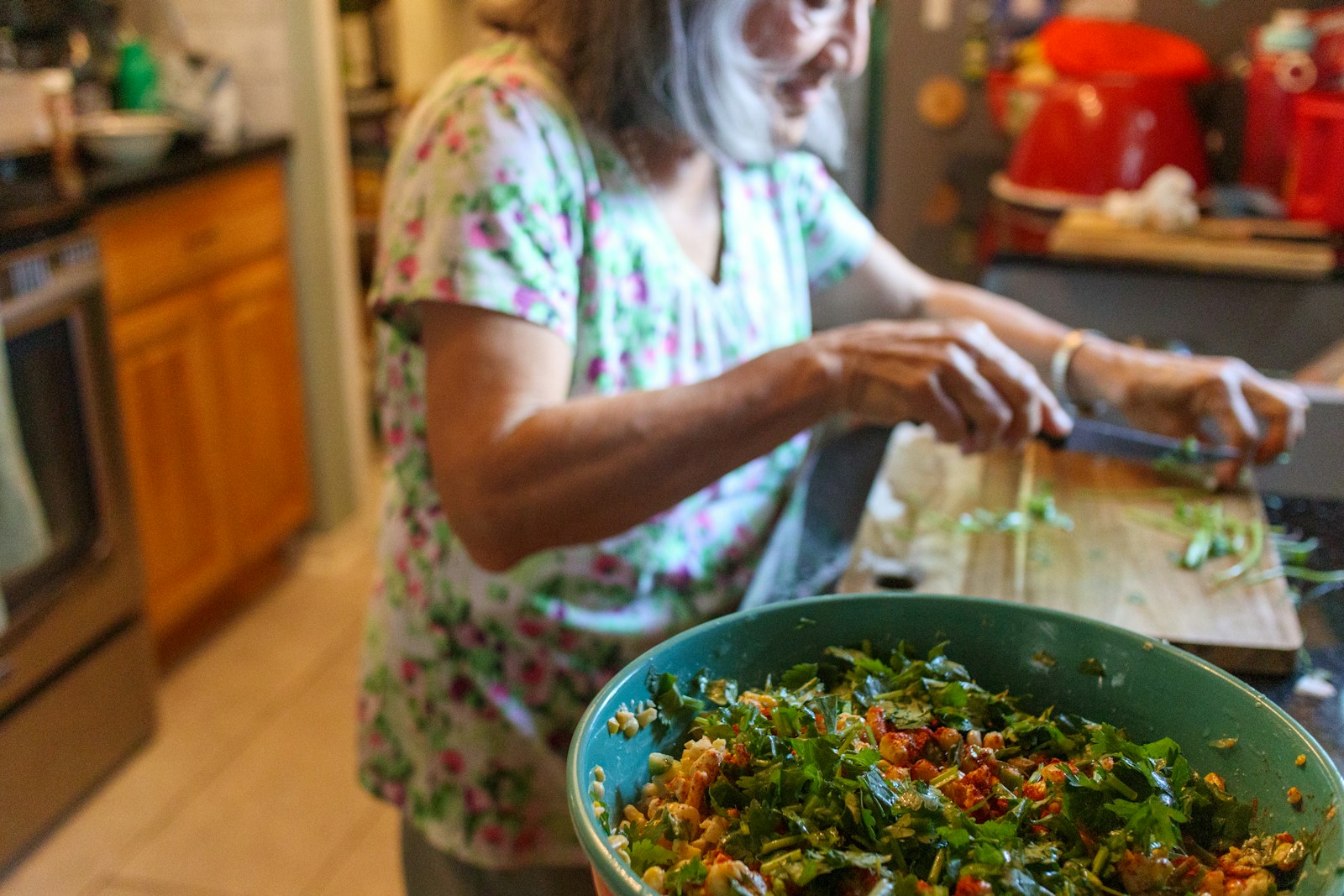
The mother had planned to prepare a traditional Venetian liver dish, a staple of her childhood that she held dear. Growing up in Northern Italy, liver had always been part of her diet, lovingly cooked by her own parents and celebrated in local restaurants. To her, it was not just food; it was a connection to her heritage and a reflection of her cultural pride. As she chopped up the onions and seasoned the liver, she envisioned an enjoyable dinner for her family and her daughter’s friend.
When it came time to sit down at the table, the atmosphere was cheerful. Laughter filled the air as the family indulged in the rich flavors of the dish. But as the daughter’s friend took her first bite, her face shifted, revealing the shock of a taste she never anticipated. Polite as ever, the girl managed to chew and swallow, but it was clear that this was not the culinary adventure she had signed up for. After hesitating, she politely declined a second bite, leaving the mother feeling a bit unsettled.
Not wanting her daughter’s friend to leave hungry, the mother quickly pivoted, offering up an array of fruits and snacks. The dinner continued, and the family enjoyed their meal, chatting and laughing, unaware of the turmoil brewing just beneath the surface. After the plates were cleared and the evening wound down, the mother gave the friend a ride home, confident that the night had gone well enough.
However, the next day brought an unexpected turn of events. The mother received a phone call that turned her world upside down. It was the friend’s mother, and she was not happy. Her tone was sharp and accusatory as she recounted how her daughter had come home “starving” after being served what she described as a “disgusting” liver dish. The mother felt her heart sink as she listened. In her eyes, she had simply offered a classic dish that was a cherished part of her culinary traditions, not a concoction to be repulsed by.
In that moment, the mother reflected on her actions. Had she made a mistake in serving liver to a young guest? Perhaps she was blinded by her own culinary nostalgia. It was hard for her to grasp that what was normal and beloved for her might be utterly foreign—or worse, offensive—to someone else. She had grown up in a culture where liver was not just food; it was an experience, a comfort, and a source of pride. She never considered that her daughter’s friend might not share those same experiences or tastes.
As the conversation progressed with the friend’s mother, it became clear that this was more than just a meal gone wrong. The mother felt frustrated and confused, trying to articulate that she had every intention of providing a welcoming meal and that she truly didn’t mean to offend anyone. But the friend’s mother was unwavering; the incident had left her feeling that she needed to reconsider letting her daughter spend time at their house in the future. What seemed like an innocent dinner choice had turned into a full-blown parental conflict.
The Italian mother found herself questioning her choices. Was it unreasonable to introduce a child to new foods? Should she have been more considerate of her daughter’s friend’s culinary preferences? Or was the friend’s mother overreacting to what she considered a simple misunderstanding? A whirlwind of thoughts spun through her mind, leaving her feeling uncertain about whether she had crossed a line.
With mixed feelings about the conversation, the Italian mom tried to put the situation in perspective. After all, she only wanted to share a part of her culture and make a friend feel welcome in her home. However, the fallout from one dinner left her grappling with an unexpected reality: the complexities of feeding children from different culinary backgrounds, and how even the most innocent of intentions can sometimes lead to unintended consequences.
More from Cultivated Comfort:
- 7 Vintage Home Items From the ’60s That Are Collectors’ Dream Finds
- 7 Vintage Home Goods That Became Collectors’ Gold
- 7 Fast-Food Chains That Changed for the Worse
- 7 Frozen Dinners That Were Better Back in the Day

As a mom of three busy boys, I know how chaotic life can get — but I’ve learned that it’s possible to create a beautiful, cozy home even with kids running around. That’s why I started Cultivated Comfort — to share practical tips, simple systems, and a little encouragement for parents like me who want to make their home feel warm, inviting, and effortlessly stylish. Whether it’s managing toy chaos, streamlining everyday routines, or finding little moments of calm, I’m here to help you simplify your space and create a sense of comfort.
But home is just part of the story. I’m also passionate about seeing the world and creating beautiful meals to share with the people I love. Through Cultivated Comfort, I share my journey of balancing motherhood with building a home that feels rich and peaceful — and finding joy in exploring new places and flavors along the way.