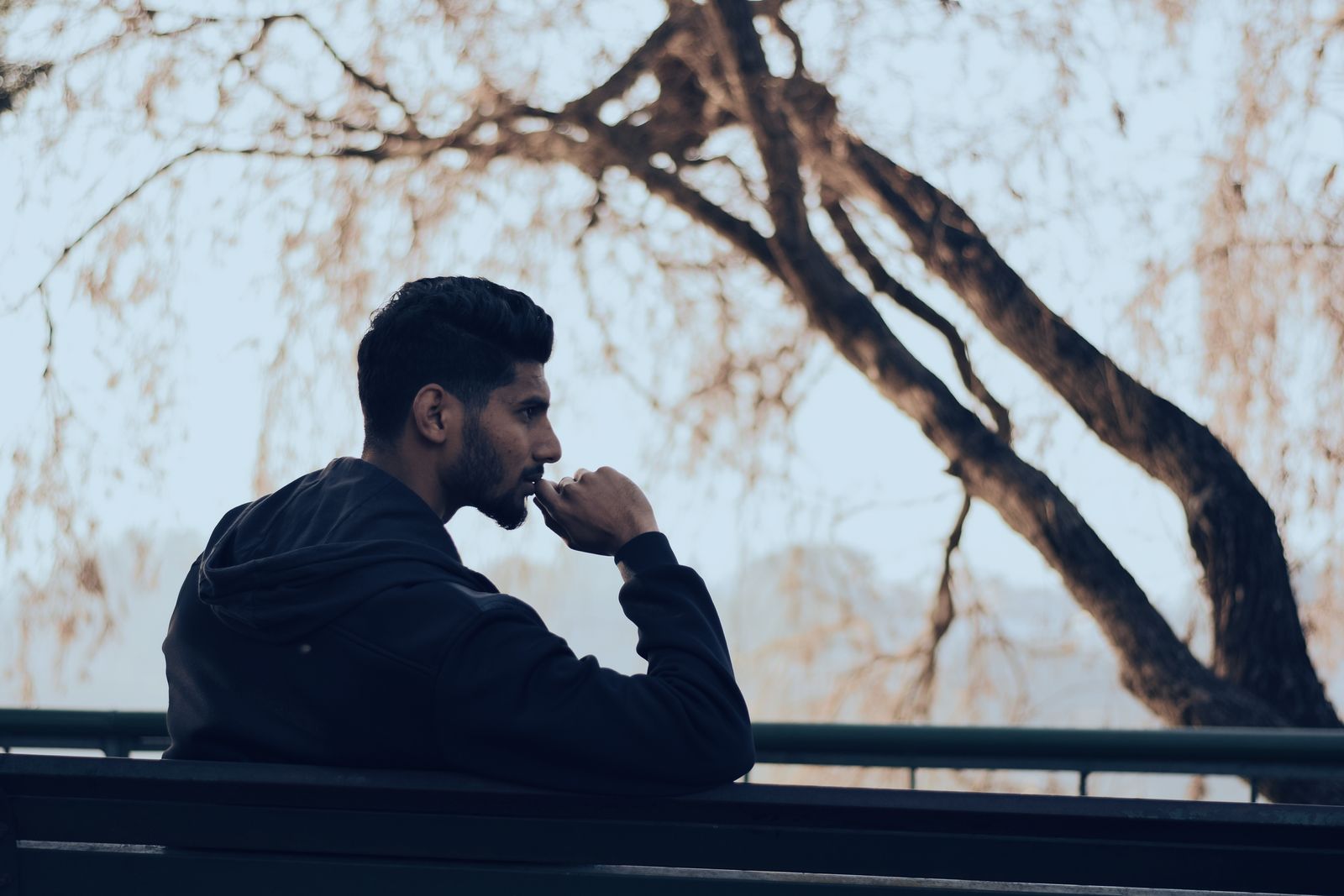
In the quiet corners of a small apartment, an adult child sat cross-legged on the floor, scrolling through an old Reddit post, words echoing in their mind like a haunting refrain. The post, a heartfelt confession titled “I realized that one of the reasons I can’t stop ruminating is, I still don’t feel safe,” epitomized their struggle.

This adult child, let’s call them Jamie, had spent years trying to untangle the threads of a conflict that felt eternal. While they were an adult by all definitions, their heart carried the weight of a child still trying to escape a family that had woven complexities of pain and misunderstanding into their fabric. “I wish my brain felt safe,” the post continued, resonating deeply with Jamie’s own thoughts. They longed for the simplest form of closure not found in apologies but in the quiet assurance that their past could no longer reach them. In essence, they wanted a brain that could finally exhale.
Growing up, Jamie often felt overshadowed by the expectations and dramas of their family. There was a constant noise that filled their home—arguments that laced the air thick with tension, passive-aggressive silences that lingered like storm clouds, and an undercurrent of discontent that seemed to seep into every nook and cranny of their life. As a child, Jamie had learned to adapt, to keep their head down and avoid bringing attention to themselves. It was a survival instinct in a household where trying to please everyone often turned into an emotional tightrope walk.
As Jamie grew older, the nature of their isolation shifted but remained ever-present. In adulthood, they found themselves in a job that involved more behind-the-scenes work than face-to-face interaction, which only strengthened their sense of invisibility. “I don’t have a partner, I’m not a visible person,” they thought, reflecting on their circumstances. Connections faded over time, and Jamie often felt like a ghost moving through life, witnessing the meaningful exchanges and relationships of others without ever partaking.
With no one to act as a character witness in their journey, Jamie often reached out to random strangers during the few moments of contact they had—grocery clerks, the car mechanic, maybe even a dentist—but these interactions felt hollow. They were fleeting moments that only served to remind Jamie of their profound loneliness. The notion of family, once synonymous with love and safety, had twisted into something far more complex and painful.
Jamie spent many nights awake, replaying memories, trying to decipher a path forward. They longed for a sense of liberation from the fear that had lodged itself deep within them—fear of the unpredictable fallout that could arise from family conflicts, the specter of unresolved issues looming large in their mind. It was like a radio stuck on a station that only played the worst moments of their life on repeat. Every time they thought about reaching out, the old fears came rushing back: What if they hadn’t really changed? What if the wounds they carried were too deep for a simple conversation? What if trying to bridge that gap led to more pain?
Jamie’s friends—those they had managed to keep close—often offered well-meaning advice about seeking closure through confrontation, but for Jamie, that confrontation felt like an invitation to a storm. There was no ease in those ideas; rather, they stirred a deep-set anxiety that Jamie battled against daily. The post-note on the Reddit thread lingered in their mind: the closure Jamie truly sought wasn’t an apology or reconciliation; it was the elusive sensation of safety in their own mind, a sanctuary that felt permanently guarded against past trauma.
Days turned into months, and the relentless ruminating never quite faded. “What if I could just let go?” Jamie mused. The idea of claiming their narrative, independent of family ties, began to appear more like an option. The adult child could be their own architect, crafting a world that mirrored peace rather than conflict. Each day was a balancing act between the echoes of old fears and the quiet call for a new beginning.
As they wrapped up their thoughts and returned to the Reddit post, Jamie felt a small flicker of hope. Perhaps they wouldn’t find closure in the traditional sense, but maybe the journey forward could be one that led to a place where they could cultivate safety and peace from within. The closure that they wanted might just be an acceptance of the past intertwined with a vision of a future that prioritized their mental well-being over familial obligation.
More from Cultivated Comfort:
- 7 Vintage Home Items From the ’60s That Are Collectors’ Dream Finds
- 7 Vintage Home Goods That Became Collectors’ Gold
- 7 Fast-Food Chains That Changed for the Worse
- 7 Frozen Dinners That Were Better Back in the Day

As a mom of three busy boys, I know how chaotic life can get — but I’ve learned that it’s possible to create a beautiful, cozy home even with kids running around. That’s why I started Cultivated Comfort — to share practical tips, simple systems, and a little encouragement for parents like me who want to make their home feel warm, inviting, and effortlessly stylish. Whether it’s managing toy chaos, streamlining everyday routines, or finding little moments of calm, I’m here to help you simplify your space and create a sense of comfort.
But home is just part of the story. I’m also passionate about seeing the world and creating beautiful meals to share with the people I love. Through Cultivated Comfort, I share my journey of balancing motherhood with building a home that feels rich and peaceful — and finding joy in exploring new places and flavors along the way.