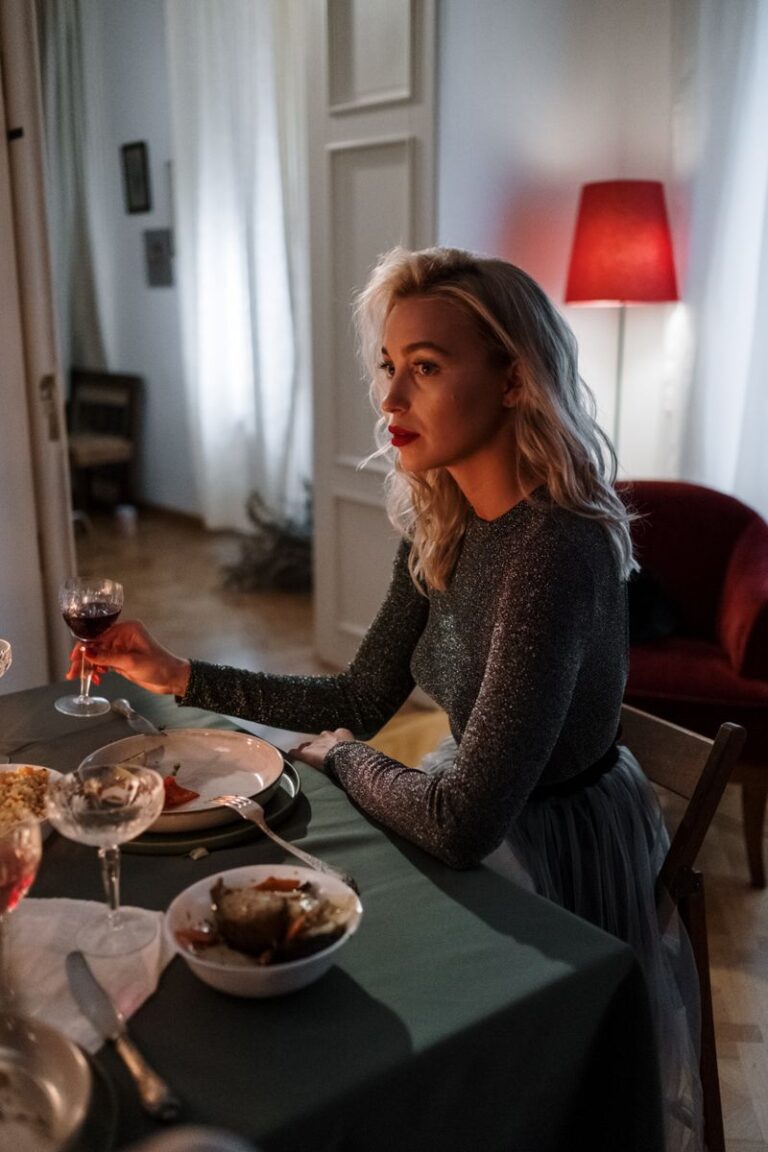
It’s been eight months since she last spoke to her parents or her sister, and for her, the split feels as fresh as if it had just happened yesterday. The emotional weight of the situation looms over her like a heavy cloud, casting shadows on what should be sunny days. While she thought time would grant her some healing, bringing a sense of strength and resolution, she instead finds herself feeling beaten down and profoundly sad.
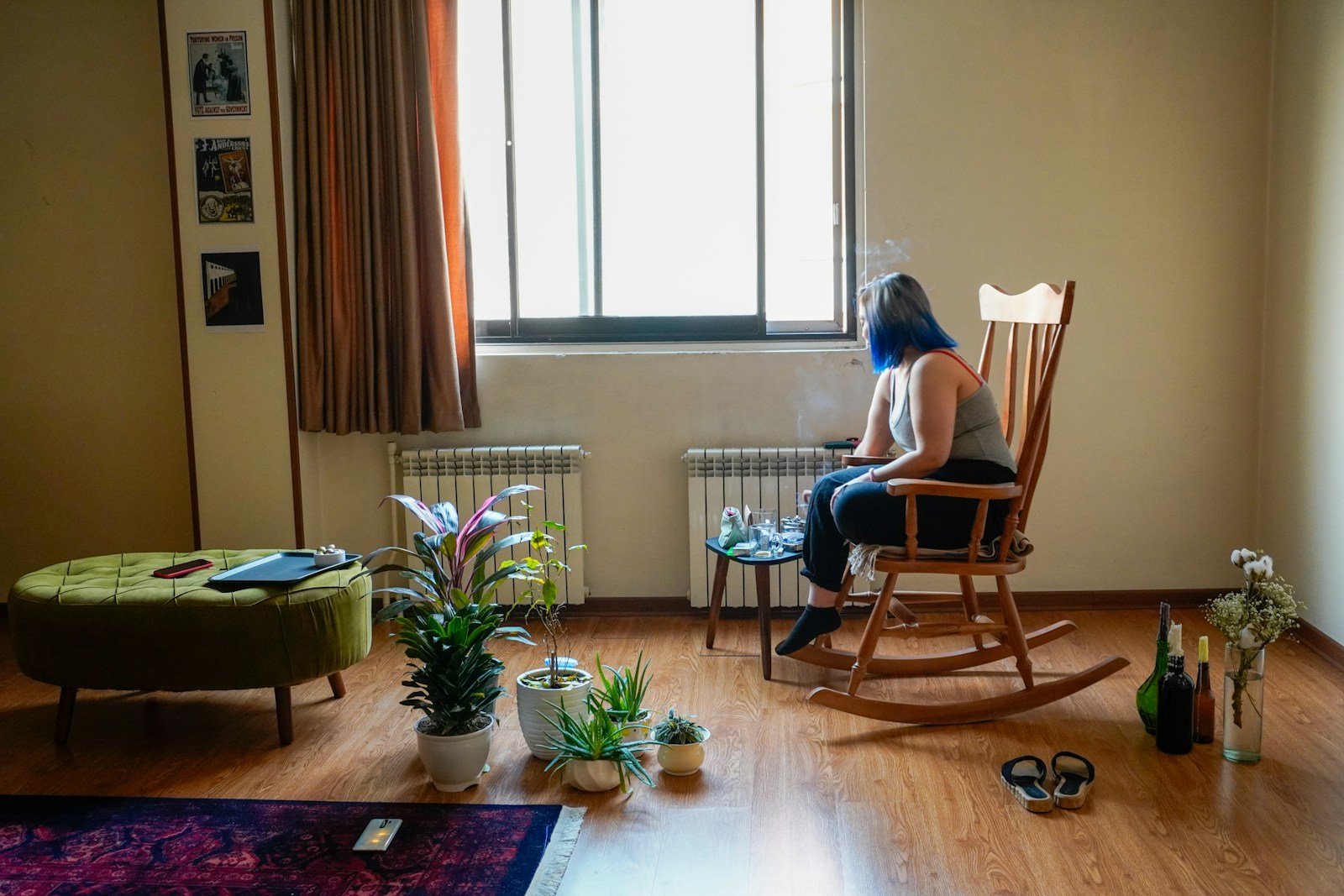
The months leading up to the estrangement were turbulent—filled with misunderstandings, hurtful words, and a sense of betrayal that she couldn’t shake. She often ruminates on those moments, replaying conversations in her mind, rehearsing speeches that she never got to deliver. These internal monologues are propelled by a need for acknowledgment, a desperate wish for her family to understand just how deeply they had hurt her. She wants them to see the truth behind her decision, but she knows they may never do so.
As she navigates her daily life, interactions with others serve as painful reminders of her situation. Friends and acquaintances share stories about family gatherings, holiday plans, and nostalgic moments that fill their hearts with warmth. Each tale feels like a dagger to her chest, inciting waves of jealousy that leave her feeling like a little orphaned child longing for love and acceptance. The irony of her position does not escape her—at 28 years old, she is more than capable of taking care of herself, yet she yearns for the familial bonds that have proven toxic and painful.
In the beginning, friends rallied around her, providing support and understanding as she grieved the loss of her family relationships. They were there, listening to her vent, validating her feelings of hurt and betrayal. But as time wore on, she started to feel a shift. Conversations shifted from support to an unspoken desire for her to move on. It’s not that her friends didn’t care; they simply couldn’t relate to the depth of her pain. To them, it was time to put the past behind her, but to her, the past still loomed large, refusing to fade away.
The moments spent wishing she had said something different, wishing she could confront her family and demand they acknowledge her hurt, turned her internal world into a battleground. She would often sit in her room, imagining how those conversations would go, picturing their faces as she laid out her feelings. “You made me feel like I didn’t matter,” she would say to her mother, or “I just wanted you to listen,” she would tell her father. But those scenarios existed only in her mind, leaving her feeling more isolated and frustrated with each day that passed.
In her heart, she knows she needs to speak to someone who can help her process these feelings—someone who understands the tangled emotions that come with estrangement. The idea of therapy floated in and out of her mind like a lighthouse beam shining in the distance, but accessing that support has proven difficult. She’s tried to make appointments with the Veterans Affairs (VA), but each attempt was met with bureaucratic delays and unhelpful responses. It only added to her feelings of helplessness, as she feels stuck in this cycle of despair with no clear path out.
While she knows that she should seek help, the struggle for mental health resources feels like yet another battle. She chides herself for making excuses—if only she could find the right words or make the right call, she tells herself. But the thought of opening up to someone about her pain, about the family that has both nurtured and wounded her, sends a shiver of anxiety down her spine. It’s a daunting task to lay bare her feelings to a stranger, particularly when she can hardly comprehend them herself.
As she scrolls through social media, seeing family photos and posts dripping with love, she feels like an outsider looking in—a child stuck in a movie where everyone else is blissfully unaware of the darkness lurking in the background. The longing for connection is strong, but so is the realization that her family is not the safe harbor she needs. She wrestles with the idea of how to move forward without the ties that once bound her; the pull of her family against her instinct to protect herself creates a constant sense of conflict.
In the end, she finds solace in sharing her experience online, seeking out communities that understand the unexplainable complexities of estrangement. While the journey is still fraught with pain, putting her thoughts into words becomes a release, a way to acknowledge her feelings without the fear of judgment. For now, she clings to the hope that one day, she will find the clarity and healing she desperately seeks.
More from Cultivated Comfort:
- 7 Vintage Home Items From the ’60s That Are Collectors’ Dream Finds
- 7 Vintage Home Goods That Became Collectors’ Gold
- 7 Fast-Food Chains That Changed for the Worse
- 7 Frozen Dinners That Were Better Back in the Day

As a mom of three busy boys, I know how chaotic life can get — but I’ve learned that it’s possible to create a beautiful, cozy home even with kids running around. That’s why I started Cultivated Comfort — to share practical tips, simple systems, and a little encouragement for parents like me who want to make their home feel warm, inviting, and effortlessly stylish. Whether it’s managing toy chaos, streamlining everyday routines, or finding little moments of calm, I’m here to help you simplify your space and create a sense of comfort.
But home is just part of the story. I’m also passionate about seeing the world and creating beautiful meals to share with the people I love. Through Cultivated Comfort, I share my journey of balancing motherhood with building a home that feels rich and peaceful — and finding joy in exploring new places and flavors along the way.