
There was a young adult named Alex who had been struggling with unemployment for a while. The job market was tough, and despite their best efforts to search for work, they had been unable to find anything that fit their skills or interests. While this situation weighed heavily on Alex, they were determined to contribute to the household in meaningful ways, despite not being able to pitch in financially.
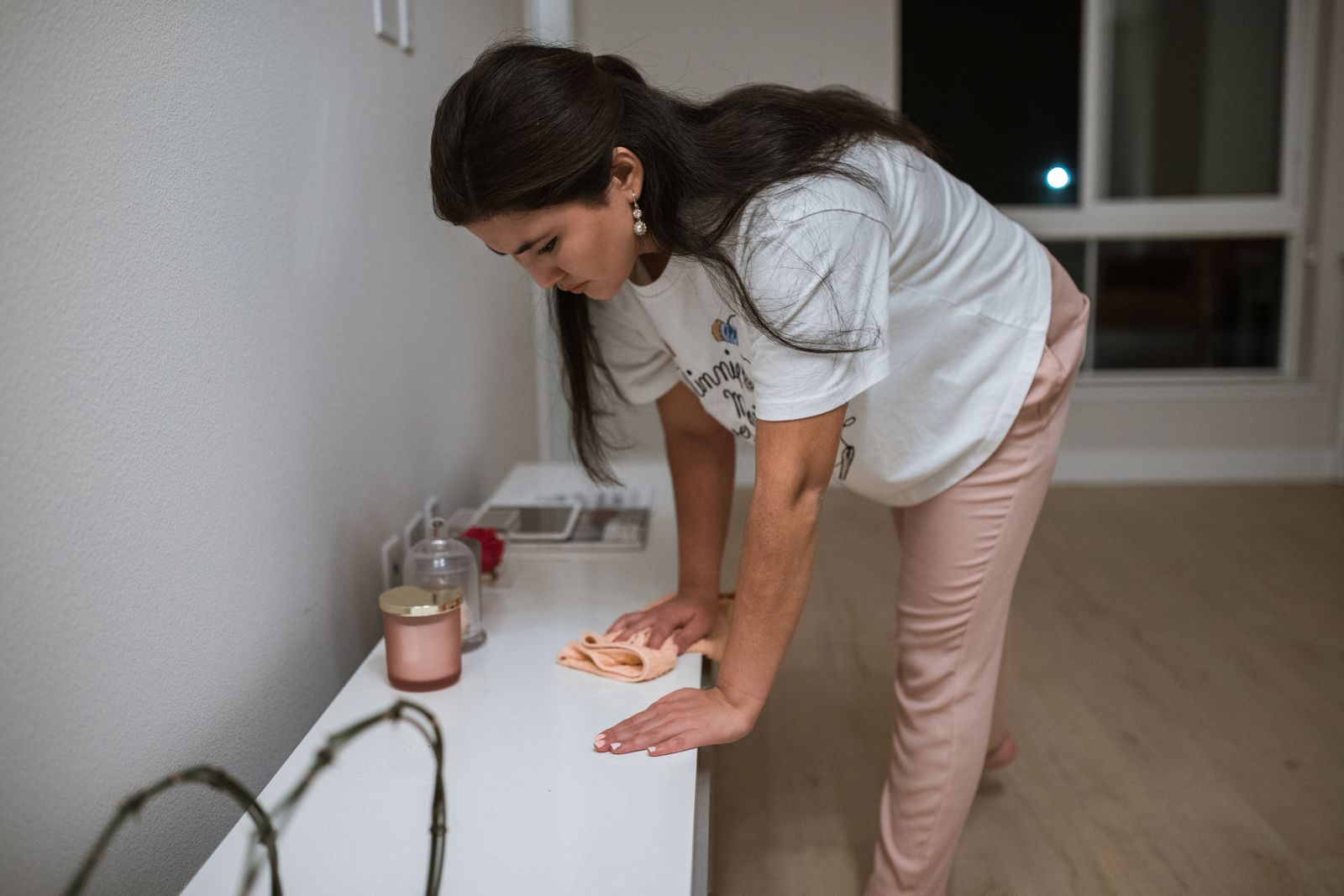
In a bid to prove their worth and help out, Alex began taking on the responsibility of cleaning the house. It was a small way to make a difference, and they thought it might alleviate some stress for their family. After all, their parents and younger brother worked long hours and often came home exhausted. Alex wanted to create a comfortable environment for them, somewhere they could unwind after a tiring day.
At first, the cleaning seemed to go unnoticed but Alex pressed on. They dusted every corner, vacuumed the carpets, and organized the common areas. It felt good to see the house transform into a cleaner, tidier space. Yet, as soon as the family returned home, the place began to fall apart again. Almost as if it was a competition, Alex’s family would walk in the door, drop their bags, and leave a trail of clothes, shoes, and wrappers in their wake. The very mess Alex had just cleaned started to pile up again, and it felt disheartening.
Days turned into weeks, and the cycle continued. Despite Alex’s efforts, they felt invisible. Their parents rarely acknowledged the work put into maintaining the house. In fact, one evening, Alex overheard their father mumbling complaints about how lazy they were being, saying that Alex just lay around all day while everyone else worked hard. Those words stung, especially coming from someone whose support they thought they could count on.
Feeling cornered, Alex thought about confronting their family. They wanted to scream that cleaning was hard work, that the effort was real, and that being unemployed didn’t equate to being lazy. But what would be the point? They’d tried the route of communication before, and it often ended in frustration. They knew that pointing out their efforts wouldn’t change their family’s perception.
As days rolled on, the resentment started to build within Alex. It felt as if they were being treated less like a family member and more like an unpaid maid. The more they cleaned, the less appreciated they felt. Alex’s younger brother would come home, drop his backpack in the living room, and ask why the dishes weren’t done, completely oblivious to the effort that had already gone into tidying the house. It became painfully clear to Alex that their family had come to expect their cleaning duties without recognizing the toll it took on them emotionally.
At one point, they decided to take a different approach. Instead of continuing to clean up after everyone, they chose to let the mess sit. Maybe if their family saw the clutter, they’d finally understand the impact it had. The first few days were nerve-wracking; seeing the chaos unfold around them filled Alex with anxiety. They constantly jumped between wanting to tidy up and hoping their family would eventually step in. But their family didn’t notice. Instead of helping, they simply continued their routine, stepping over the mess, as if it was a normal part of life.
Feeling defeated, Alex began to question their worth within the family. On some days, they’d find themselves crying quietly in their room, overwhelmed by the realization that their cleaning efforts were not appreciated and that they were being labeled as lazy for attempting to help in the best way they knew how. It was hard to reconcile the feeling of wanting to contribute with the perception of being a burden.
As this internal struggle escalated, Alex began to withdraw, spending more time alone in their room, scrolling through social media, and attempting to distract themselves from the situation. They felt trapped, almost as though they were stuck in a cycle of negativity that they couldn’t break free from. The idea of standing up for themselves felt daunting, and the fear of being judged by their own family loomed large.
What was supposed to be an effort to help turned into a source of deep sadness for Alex. They felt like they were caught in a treadmill of cleaning, criticized for simply existing in an unemployed state. All they wanted was to feel valued and to be seen as part of the family, not just as a maid doing chores while everyone else lived their lives.
More from Cultivated Comfort:
- 7 Vintage Home Items From the ’60s That Are Collectors’ Dream Finds
- 7 Vintage Home Goods That Became Collectors’ Gold
- 7 Fast-Food Chains That Changed for the Worse
- 7 Frozen Dinners That Were Better Back in the Day