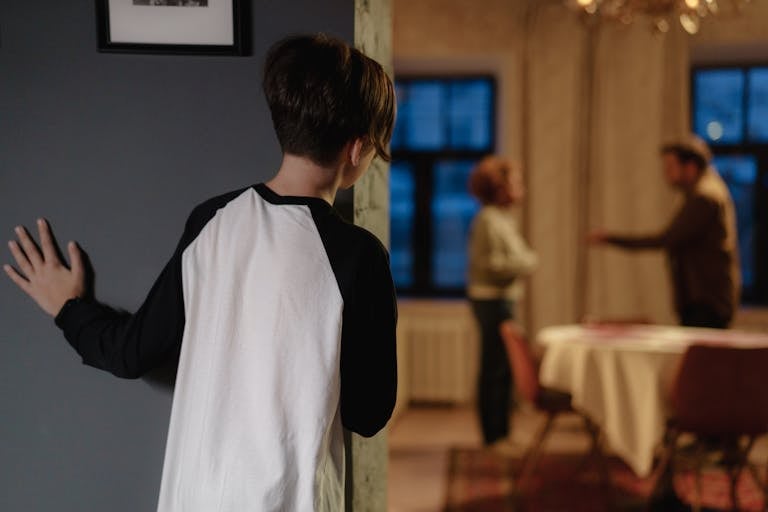
It all started as a typical family dinner at my aunt’s house. The atmosphere was relaxed, with the aroma of her famous lasagna wafting through the air. But as usual, the calm surface was soon disrupted by her unfiltered opinions. My aunt, a 70-year-old boomer, has always had a knack for saying things that make you raise an eyebrow. This time, however, my jaw dropped to the floor.

The discussion took a turn when we stumbled across a viral video of an elderly man facing arrest for brandishing a gun at a 12-year-old boy who he claimed was being too loud. My aunt’s reaction was immediate and intense. “That kid needs to learn some manners!” she scolded, her voice a mix of indignation and disbelief. I couldn’t believe what I was hearing. Here was a grown man pointing a weapon at a child, and she was mostly concerned about the boy’s behavior.
Now, I know my aunt has a soft spot for her generation, often viewing them as the wisdom keepers of society. But this was a bridge too far. I pointed out the glaring hypocrisy in her stance. “Auntie, how can you think that’s okay? He threatened a kid with a gun!” But she waved her hand dismissively, as if my words were nothing more than annoying flies buzzing around her head. It was typical for her—nothing ever seemed to penetrate her firmly held beliefs.
Then came the real kicker. My aunt, visibly frustrated by the course of our conversation, declared, “Old people shouldn’t ever be arrested! They’re the elders.” I leaned back in my chair, incredulous. Was she really defending this idea? The implications of her statement left me dumbfounded. It felt like we were living in some alternate reality where age alone granted people immunity from the consequences of their actions.
Curiosity got the better of me, and I decided to press her on the topic. “What about old serial killers?” I asked, bringing up the notorious Golden State Killer. He had evaded capture for decades, only to be arrested in his golden years. “Shouldn’t he be held accountable for his crimes?”
Her reply was nothing short of astonishing. “No, he shouldn’t have to get in trouble,” she said matter-of-factly. “He hasn’t done anything in years. We should just let old people enjoy their last years. Besides, prisons should release all inmates over 65, regardless of what they did! Just keep the Millennials and Gen Z criminals locked up instead.”
It was as if I had been hit with a wave of absurdity. The thought of letting elderly offenders walk free while locking up younger generations seemed not only illogical but also deeply unfair. How could she justify this stance? Yet, to her, it was as simple as day. After all, in her world, old age seemed to come with a get-out-of-jail-free card.
This conversation highlighted a growing generational divide I had noticed but never truly understood until that moment. As she continued to rant about the unfairness of treating older people harshly, I couldn’t help but feel a mixture of frustration and sadness. My aunt, who had once been an engaging and fun person to be around, was now entrenched in her views—views that seemed more rooted in nostalgia than reality.
It’s mind-boggling to think how a lifetime of experiences could lead one to such a skewed perspective. I could see her wanting to protect her generation, but in doing so, she was ignoring the consequences that come with actions—regardless of age. It was baffling and, frankly, a bit disheartening. This kind of thinking only solidified the rift between generations, and it seemed to get wider with each passing day.
As dinner wrapped up, I couldn’t shake off the conversation. I left her house that night feeling a mix of bewilderment and concern. Every generation has its quirks, but this particular brand of questionable logic left me with more questions than answers. What happens when the wisdom of the past clashes with the realities of the present? It doesn’t seem like we’re getting any closer to finding common ground.
In the end, what struck me the most was the certainty with which my aunt spoke about her beliefs. It was a reminder of how stubbornness can cloud judgment and how the past can sometimes overshadow the present. I guess some things never really change, even as society evolves around us.
More from Cultivated Comfort:
- 7 Vintage Home Items From the ’60s That Are Collectors’ Dream Finds
- 7 Vintage Home Goods That Became Collectors’ Gold
- 7 Fast-Food Chains That Changed for the Worse
- 7 Frozen Dinners That Were Better Back in the Day

As a mom of three busy boys, I know how chaotic life can get — but I’ve learned that it’s possible to create a beautiful, cozy home even with kids running around. That’s why I started Cultivated Comfort — to share practical tips, simple systems, and a little encouragement for parents like me who want to make their home feel warm, inviting, and effortlessly stylish. Whether it’s managing toy chaos, streamlining everyday routines, or finding little moments of calm, I’m here to help you simplify your space and create a sense of comfort.
But home is just part of the story. I’m also passionate about seeing the world and creating beautiful meals to share with the people I love. Through Cultivated Comfort, I share my journey of balancing motherhood with building a home that feels rich and peaceful — and finding joy in exploring new places and flavors along the way.