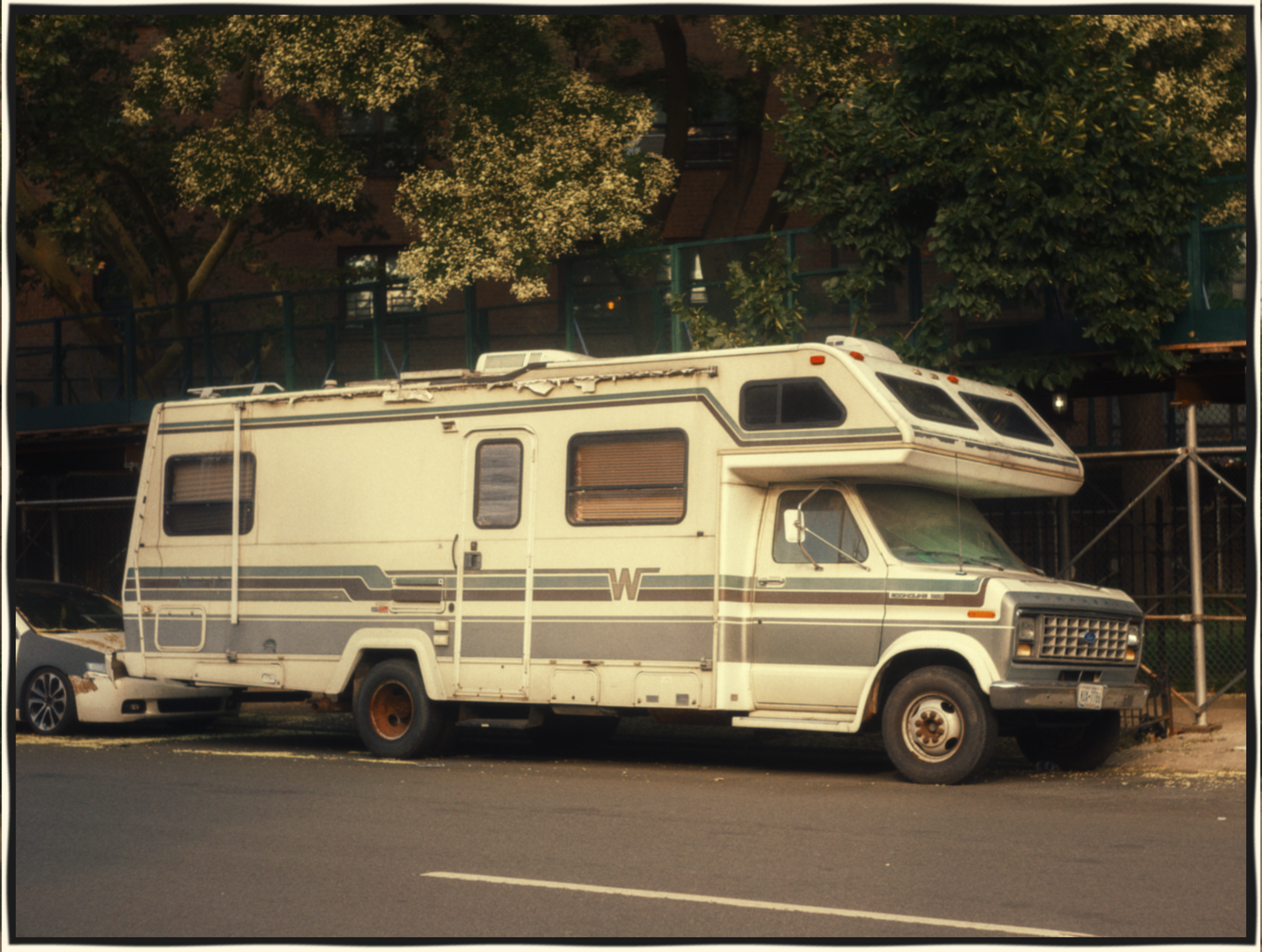
Back in March, the RV industry’s own trade group was calling for a third straight year of growth. By June, that same group had reversed course and cut its forecast by tens of thousands of units. If you’re shopping for a camper this fall, that reversal is the most useful piece of industry news you haven’t heard yet — because a manufacturing slowdown at the top of the supply chain tends to show up as a discount at the bottom of it, on the dealer lot.
The RV Industry Association’s Spring 2026 edition of RV RoadSigns, its quarterly forecast prepared by ITR Economics, projected wholesale shipments between 328,800 and 367,000 units for the year — a number RVIA President and CEO Craig Kirby framed as “a third consecutive year of growth for the industry,” building on the 342,200 units shipped in 2025.
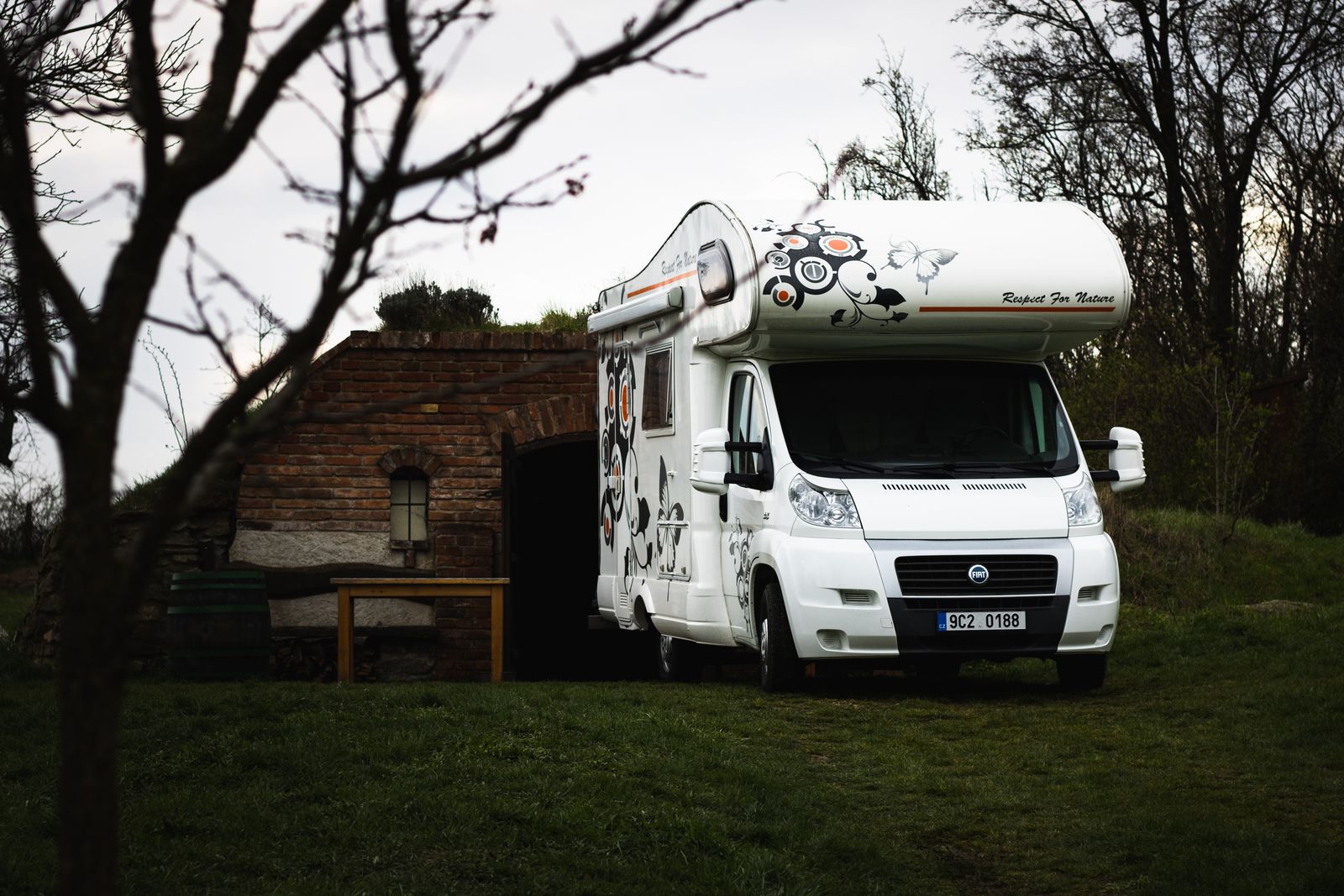
Then the forecast reversed, hard
That optimism didn’t survive the summer. RVIA’s own Summer RoadSigns update, released June 1, cut the full-year projection to a range of 300,000 to 328,100 units — a median of 314,000, which would represent an 8.2% decrease from 2025 rather than an increase. Kirby’s own explanation for the reversal, quoted directly in RVIA’s release: “Higher financing costs, increased uncertainty and continued inflationary pressure on household budgets are causing many consumers to delay discretionary purchases.” He added that “economic headwinds and tightening household budgets are weighing on consumer demand,” while maintaining that the industry’s longer-term fundamentals remain solid.
That’s a real, material swing — not a rounding error. Between March and June, RVIA’s own math moved from “modest growth” to “an 8% pullback,” entirely because the consumer side of the equation softened faster than manufacturers expected when they built out this year’s production plans.
Why that’s actually a signal for fall shoppers
A manufacturing slowdown doesn’t erase the inventory that’s already built or already sitting on dealer lots — it just means that inventory takes longer to move. According to a market update from Bish’s RV, one of the country’s larger RV dealer groups, year-over-year RV sales volume was down nearly 22% as of March 2026, with towable RVs — the travel trailers and fifth wheels that make up most of the fall camping fleet — seeing some of the steepest declines. The dealer’s own read on the situation: slower sales mean aging inventory and leftover model years piling up, which “creates negotiating leverage” for buyers willing to shop the units already on the lot rather than waiting on something new.
That combination — manufacturers pulling back production while existing inventory ages toward the 2027 model-year changeover — is exactly the setup that has historically produced the best RV pricing of a given cycle. Bish’s own guidance to shoppers points to narrowing gaps between new and used pricing and improving trade-in leverage as direct results of the same slowdown RVIA is now measuring at the manufacturing level.
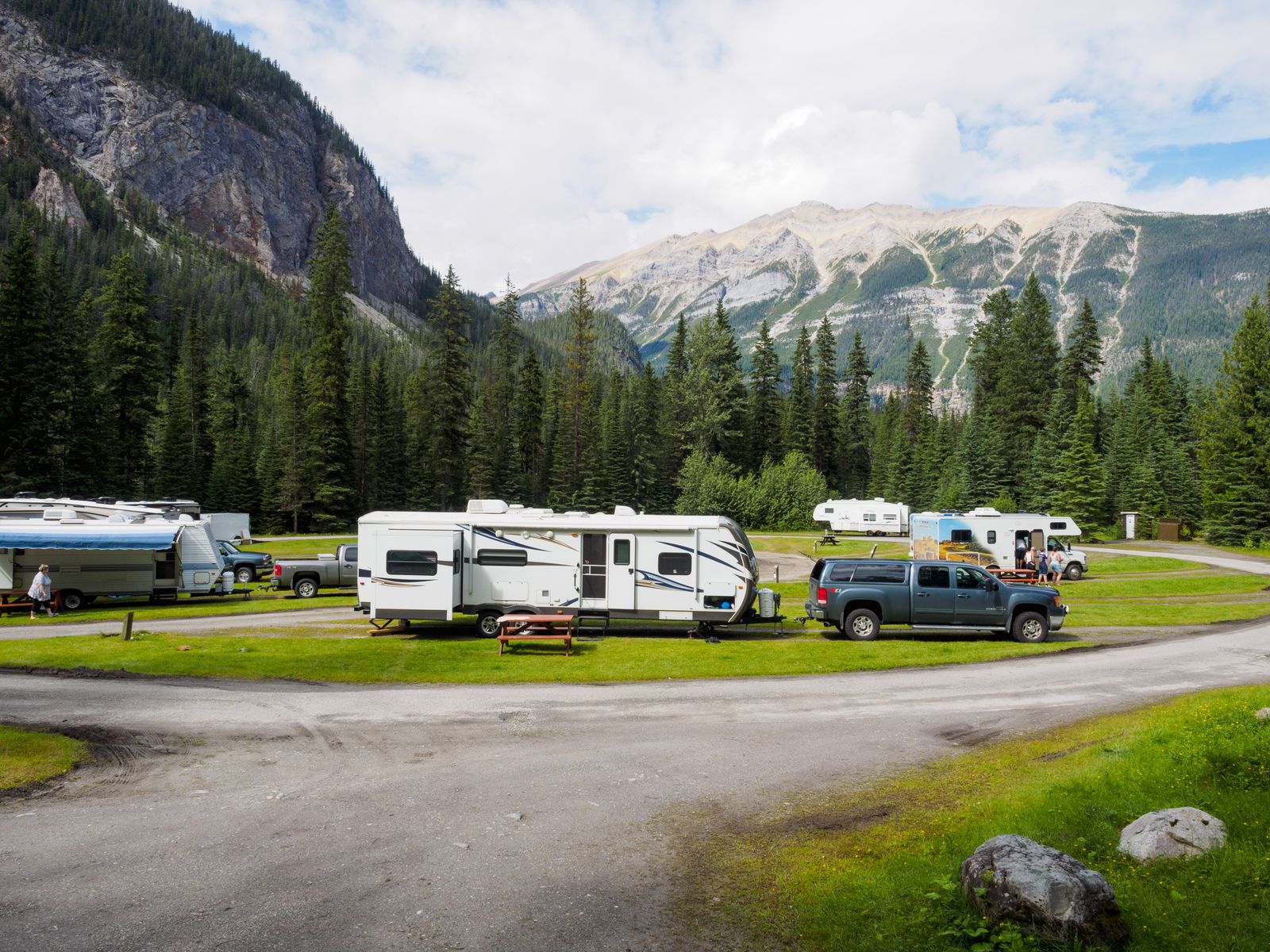
The pullback is showing up on the manufacturing side too
This isn’t just a dealer-lot phenomenon — it’s reaching back into the factories themselves. Bish’s RV market update points to Keystone RV, one of the largest towable manufacturers in the country, restructuring operations in direct response to the same softening demand RVIA is tracking at the national level. When a manufacturer that size adjusts its footprint, it’s a strong signal that the slowdown isn’t a temporary blip dealers are simply riding out — it’s a real recalibration of how much the industry expects to sell, and it tends to accelerate the kind of clearance pricing that shows up on aging 2026-model units still sitting on lots heading into fall.
For buyers, that recalibration cuts two ways worth understanding before you walk onto a lot. On one hand, leftover 2026 model-year towables — the exact category seeing the steepest sales declines — are the units dealers are most motivated to move before 2027 inventory arrives, which is where the real markdowns tend to concentrate. On the other, Bish’s own reporting notes that financing conditions remain a genuine headwind: higher rates are part of what’s suppressing demand in the first place, so a lower sticker price doesn’t automatically mean a lower monthly payment unless you’re also shopping your loan terms as aggressively as you’re shopping the unit itself. Buyers who negotiate financing and purchase price as two separate conversations, rather than accepting whatever rate a dealer’s in-house lender quotes alongside a “deal” on the trailer, tend to capture more of this slowdown’s benefit than buyers who don’t.
None of this means the camping boom itself is fading — it means the industry that supplies it overbuilt its optimism earlier this year and is now correcting, from the factory floor down to the dealer lot. For anyone planning a fall trip and eyeing a purchase rather than a rental, that correction is arriving at a genuinely useful moment: right as manufacturers pull back, dealers sit on more inventory than they’d like, and buyers who do their homework on both price and financing hold more leverage than they have in years.