
Cruise travel just posted its biggest year ever. According to the newly released 2026 State of the Cruise Industry Report from Cruise Lines International Association (CLIA), 37.2 million people sailed on an ocean cruise in 2025 — an all-time high for the industry, according to CLIA’s own analysis of the year.
Key Points:
- Global cruise passenger volume hit 37.2 million in 2025, a historic high, according to CLIA’s 2026 State of the Cruise Industry Report.
- Nearly 90% of past cruisers say they intend to sail again — the highest repeat-intent figure CLIA has ever recorded.
- The global CLIA-member fleet now numbers 325 ocean-going ships with roughly 690,000 lower berths, split about evenly among small, midsize and large vessels.
- Cruising generated $198 billion in worldwide economic impact and supported 1.8 million jobs in 2024, the most recent year with full economic data available.
- In the U.S. alone, the industry contributed $75 billion to the economy, supported 333,000 jobs, and added $41.4 billion to GDP.
- About one-third of today’s cruisers are under age 40, and roughly a third of all cruise vacations now include multiple generations of the same family.
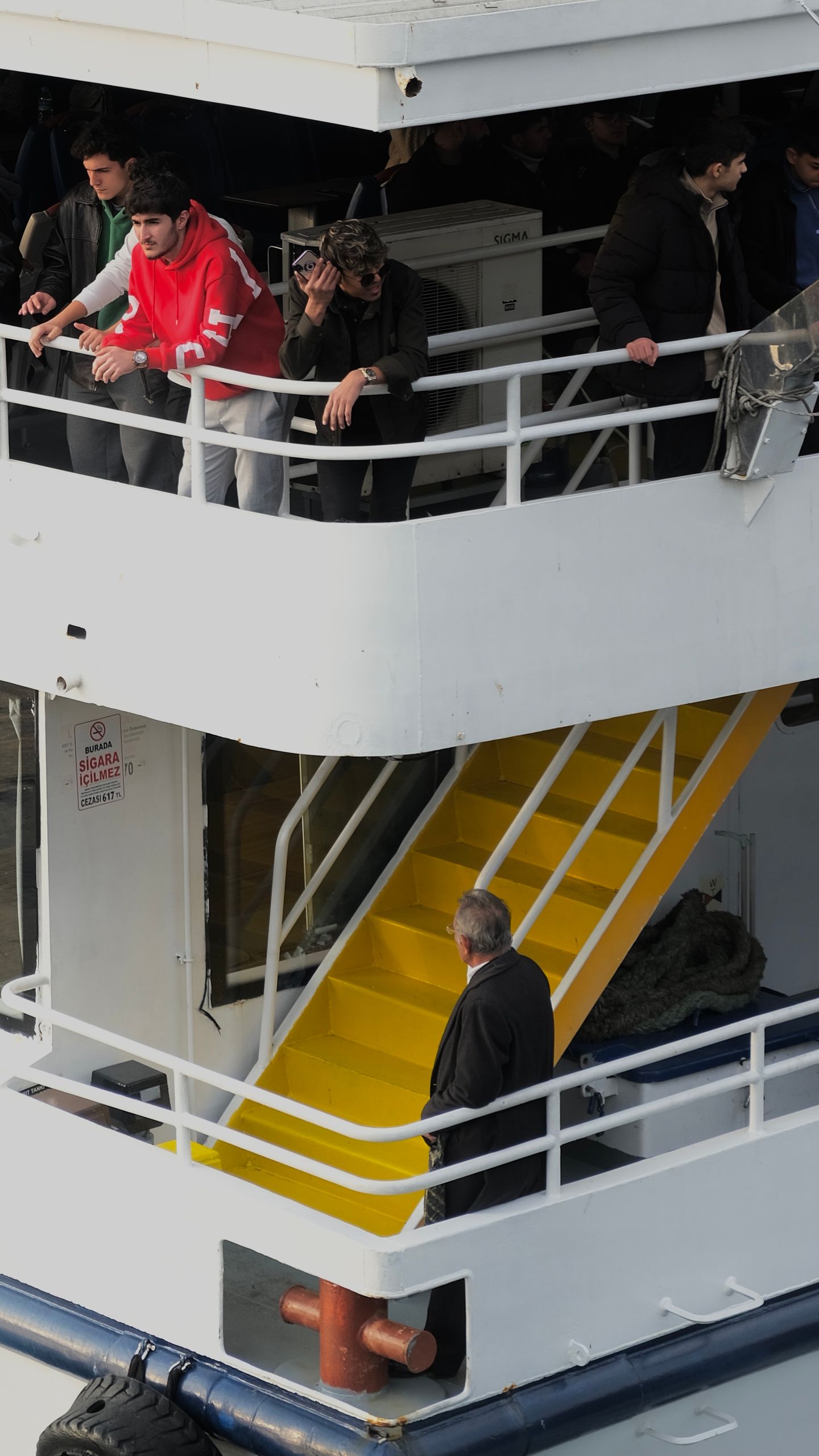
The 37.2 million figure is a jump from the totals CLIA reported for prior years, and it lands as cruise lines keep rolling out new ships and itineraries at a pace the category hasn’t seen in decades. Per the CLIA release, the group counted 325 member ocean-going ships in service for 2026, offering close to 690,000 lower berths worldwide — a fleet split roughly evenly between small, midsize and large ships, giving travelers more entry points into cruising than ever before.
Loyalty seems to be doing a lot of the heavy lifting behind the growth. In CLIA’s release, distributed via PR Newswire, CLIA President and CEO Bud Darr said “record demand, growing interest from new cruisers and sustained confidence in the cruise experience are being matched by innovation, technological advancements” across the industry. The numbers back that up: nearly 90% of past cruisers told CLIA they plan to cruise again, the highest repeat-intent rate the organization has ever measured.
The economic footprint behind those bookings is sizable, too. CLIA’s most recent full economic-impact analysis, covering 2024, put cruising’s global contribution at $198 billion and 1.8 million jobs supported, with $60 billion paid out in wages. The United States captured an outsized share of that activity, with $75 billion in economic impact, 333,000 jobs, more than $25 billion in wages and a $41.4 billion contribution to GDP, according to figures highlighted in Cruise Hive’s breakdown of the report.
Who’s actually booking cruises is shifting, too. CLIA’s data shows about a third of cruisers are now under 40, and roughly a third of cruise vacations are multigenerational trips — evidence that an industry once associated mainly with retirees is pulling in a noticeably younger, more family-driven crowd.
Looking ahead, CLIA points to continued fleet expansion and a push toward fuel-flexible ships as the industry works toward a net-zero emissions target by 2050. For a business that endured a near-total shutdown just a few years ago, a record-setting passenger count is about as clear a comeback signal as it gets.