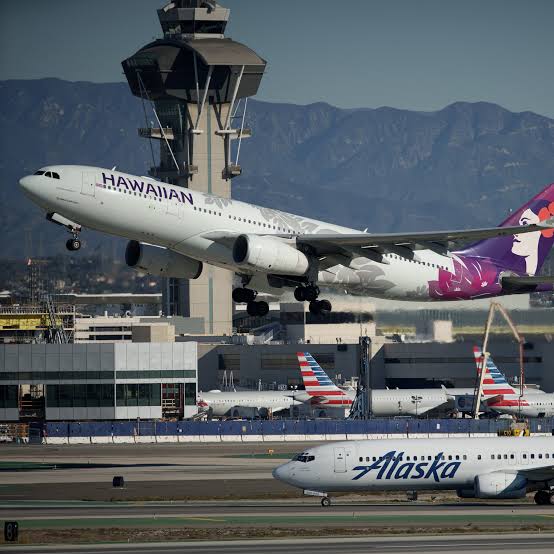
The combined airline says it’s ahead of schedule on turning two carriers into one
Alaska Air Group says its combination with Hawaiian Airlines is tracking toward roughly $1 billion in incremental profit by 2027, and the carrier just checked off one of the last big technical hurdles standing in the way. In its second-quarter 2026 earnings report, Alaska Air Group said it completed the single passenger service system that finally lets Alaska and Hawaiian book, ticket and service each other’s flights on one shared platform.
CEO Ben Minicucci said in the release that the company “led the industry in on-time performance for the first half of the year, completed the last major technical milestone of our Hawaiian integration, launched service to Europe, and returned to profitability in June.” Revenue for the quarter came in at $4.1 billion, though the company posted a net loss of $76 million, or an adjusted 92 cents per share.
What travelers actually get out of it
Hawaiian Airlines has now joined the oneworld alliance, which Alaska says opens up more than 900 destinations across over 170 territories for travelers connecting through Hawaii. That’s on top of the combined carrier’s own route map: Alaska and Hawaiian together fly to 141 destinations directly, including 29 international markets, with Honolulu now serving as the airline group’s second-largest hub behind Seattle.
On the loyalty side, miles in both Mileage Plan and HawaiianMiles keep their full value, Alaska Lounge access has been extended to Hawaiian flyers, and the two programs allow no-fee 1:1 mile transfers while a fully unified program gets built out. Alaska has also used the merger to add routes that widen access to the islands and beyond, including new nonstop service between Seattle and Rome, London and Reykjavik.
The targets are big, and not fully met yet
Alaska first laid out the scale of its ambitions at its 2024 investor day, saying the tie-up should generate at least $500 million in run-rate synergies by 2027 — double its original estimate — on the way to $800 million in added revenue from network, product, loyalty and cargo improvements combined. Chief Commercial Officer Andrew Harrison said at the time that guests would benefit from “more premium seats, an enhanced loyalty program with even more ways to earn and redeem miles, and new global destinations.”
Not everything is finished. The Honolulu Star-Advertiser reported this month that joint labor agreements between the two carriers’ workforces are still being negotiated, and Minicucci himself graded the integration’s progress a “solid B.” For now, though, anyone booking a Hawaii trip is already flying on more shared infrastructure, a bigger international alliance and a wider combined route network than existed before the deal closed.