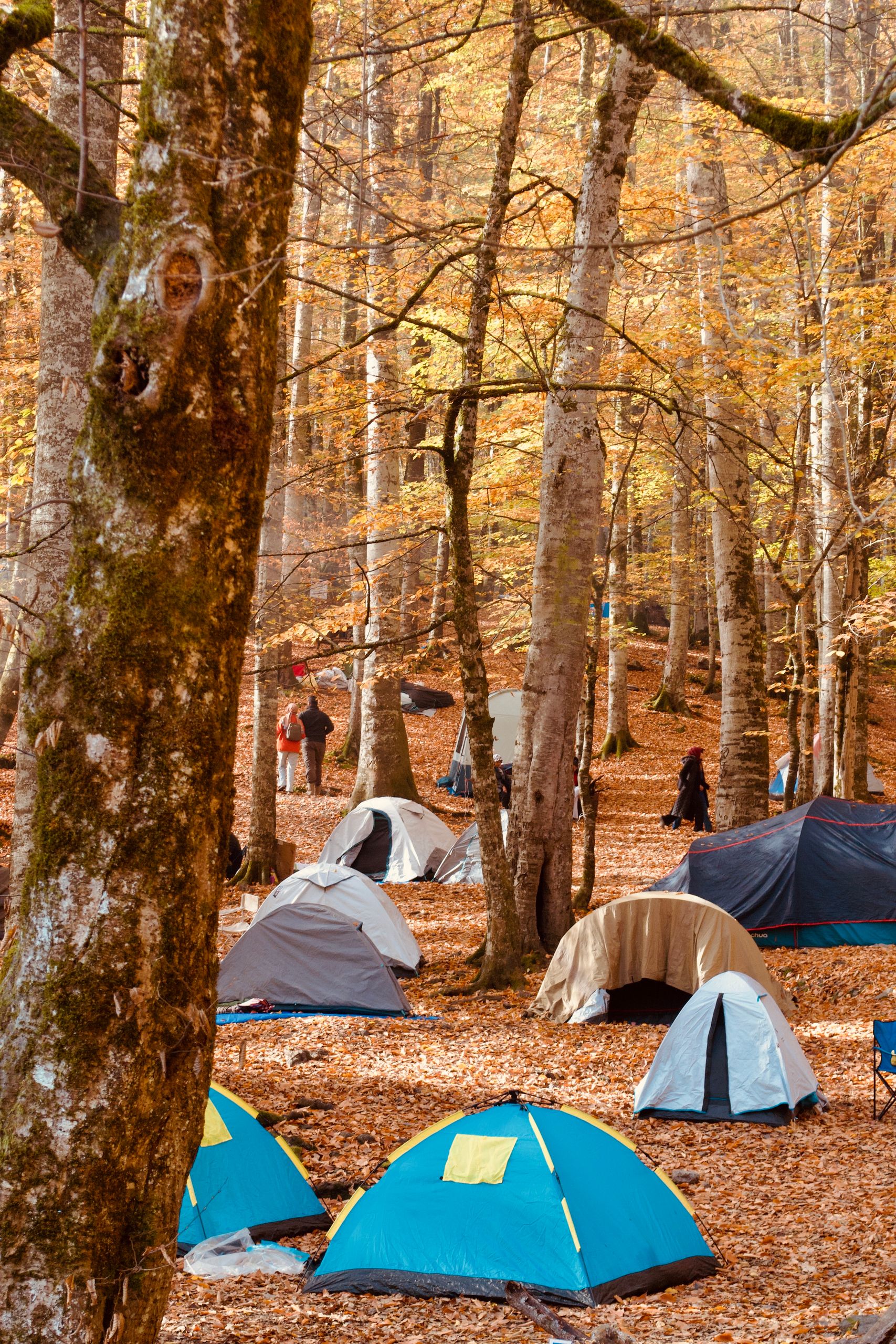
More than 52 million North American households went camping in the past year, a figure that now exceeds pre-pandemic participation levels, according to Kampgrounds of America’s 12th annual North American Camping and Outdoor Hospitality Report. The same research puts the sector’s local economic footprint at $66 billion, up $5 billion from the year before. Camping isn’t the niche hobby it gets treated as in most travel coverage — it’s a mainstream vacation choice competing directly with hotels, resorts, and cruises for a share of the family travel budget, and the numbers behind it keep climbing.

The spending behind the participation number
KOA’s report doesn’t just track how many households pitched a tent or parked an RV — it tracks what they spent once they got there. Average daily expenditures per person, not counting the cost of the campsite or accommodation itself, exceeded $200 in 2025. Multiply that across a four-night trip for a family of four and camping starts to look a lot less like the budget alternative it’s often marketed as, and a lot more like a legitimate driver of local restaurant, outfitter, and retail revenue in the towns near popular campgrounds. That’s the engine behind the $66 billion figure: it isn’t campground fees alone, it’s everything campers buy on the way to and from the fire pit.
Glamping has moved from niche to mainstream
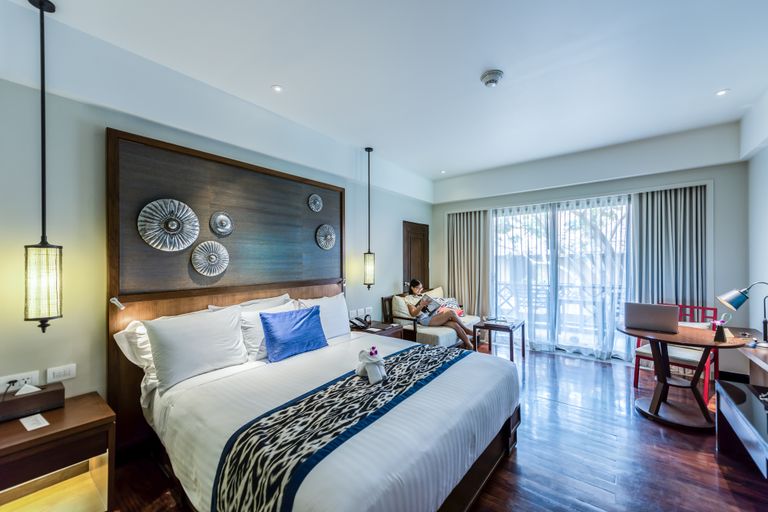
One of the more striking shifts in the report is how quickly glamping — glamorous camping, typically outfitted tents, yurts, or cabins with real beds and sometimes private bathrooms — has grown into a mainstream share of the market. KOA found glamping now accounts for 29 percent of all camping experiences, and among people who camped for the first time in the past year, 31 percent chose a glamping setup over a traditional tent. That’s a meaningful signal for anyone who assumed camping requires sleeping on the ground: a third of new campers are opting out of that entirely, and the industry has built inventory to meet them there.
Why people say they’re doing it
The report’s wellness data helps explain the surge better than the spending figures do. Seventy-seven percent of campers said simply being in nature is enough, without any structured programming or itinerary, and 49 percent said they intentionally book camping trips specifically to improve their mental wellbeing. Half of respondents said recharging, rather than sightseeing or activity-packing, was their main priority for the trip. That’s a different value proposition than a beach resort or a city break sells, and it maps onto a broader post-pandemic pattern of travelers prioritizing unstructured time over packed itineraries.
A social layer that’s easy to miss from the outside
KOA also found that three-quarters of campers view campgrounds as a modern “third place” — a term borrowed from sociology for the informal community spaces that exist outside home and work. Among Gen Z campers specifically, 43 percent said they developed lasting bonds with other guests during a trip, while 51 percent of Baby Boomer campers reported at least one meaningful interaction per outing. Camping, in other words, is functioning as a social venue across generations in a way that a hotel stay rarely does, and that dynamic shows up consistently enough in the data to suggest it’s a real driver of repeat visits rather than a one-off anecdote.
What it means for 2026
Nearly a third of campers, 31 percent, told KOA they plan to spend more nights camping in 2026 than they did the year before, and over a third cited camping as both the easiest way to travel with children and the most affordable form of travel available to them. Put together, the report describes an industry that has fully absorbed its pandemic-era growth spurt and kept expanding past it — not a rebound story, but a genuine structural shift in how North American families choose to spend their vacation time and money.
The bigger travel-industry context
What makes this year’s report notable isn’t just the size of the numbers, it’s the trend line behind them. Camping participation spiked during the pandemic when hotels and flights felt riskier, and the conventional wisdom afterward was that the surge would fade once travelers went back to their old habits. KOA’s data suggests the opposite happened: participation didn’t just hold, it grew past the pandemic peak and kept climbing alongside it. For an industry that spent decades marketing itself as a budget alternative to a “real” vacation, that’s a meaningful reframe — the fastest-growing segment of American travel right now isn’t a discount option, it’s a preference.