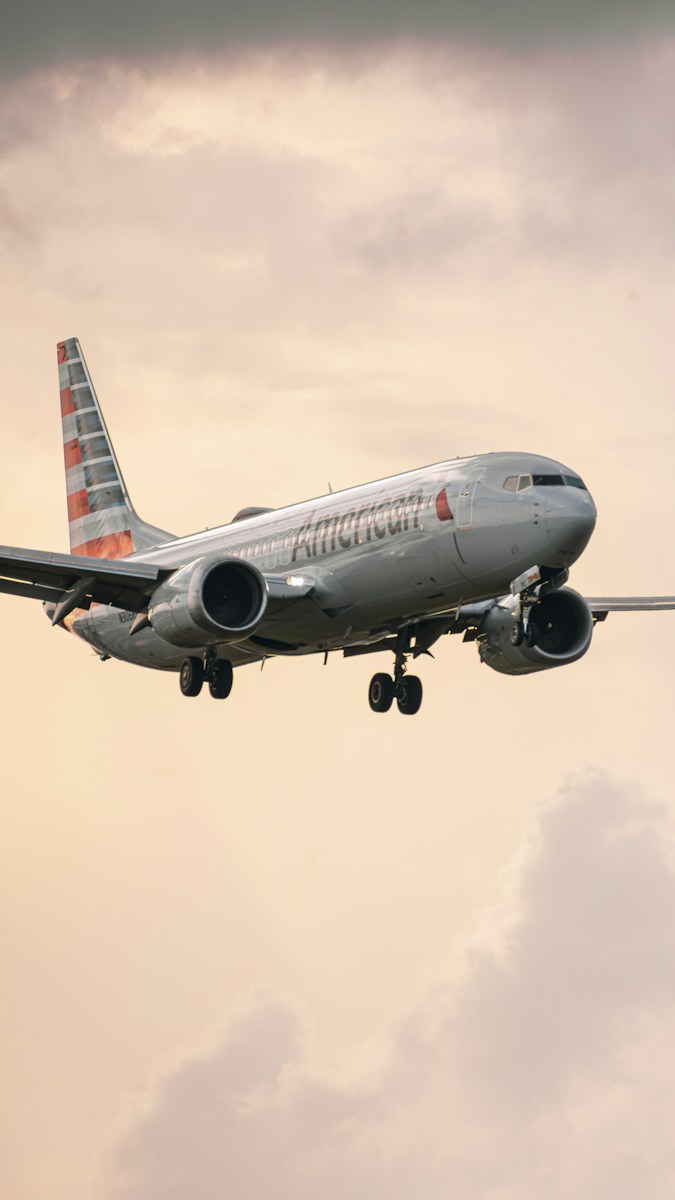
American Airlines Flight 1760 struck birds during takeoff from Myrtle Beach International Airport on Aug. 12, 2026, sending visible flames out of the left engine and prompting the pilot to declare a mayday, according to ABC7’s report on the incident. All 181 passengers and crew aboard the Charlotte-bound flight returned safely to Myrtle Beach, and no injuries were reported.
Key Points
- Flight 1760 ingested birds into its left engine shortly after departure, triggering visible flames, per the ABC7 account of the incident.
- The captain radioed a mayday call, the highest-urgency distress signal a pilot can issue, and turned the aircraft back toward Myrtle Beach.
- All 181 people on board landed without injury, and emergency crews met the plane on the runway as a precaution.
- The Federal Aviation Administration logged more than 24,000 documented wildlife strikes on U.S. aircraft in 2025 alone.
- The overwhelming majority of those strikes cause little to no visible damage and never generate a headline or a passenger video.
Bird strikes are one of the most routine hazards in commercial aviation, and pilots train for them the way drivers train for a blown tire. Engines are built and certified to withstand the impact of birds without catastrophic failure in the vast majority of cases. What made Flight 1760 stand out wasn’t the strike itself but the flames, which were visible enough from the cabin and the ground to draw immediate attention.
A mayday call doesn’t necessarily mean an aircraft is in danger of crashing. It signals that air traffic control should clear other traffic and prioritize the flight’s return, giving the crew room to run checklists and diagnose the engine without added pressure. In this case, the pilot’s decision to turn back rather than continue toward Charlotte reflected standard emergency procedure for any engine anomaly detected during a climb.
Airports near coastlines and wetlands, including Myrtle Beach, tend to see more bird activity than inland hubs, since the surrounding marsh and grassland attract large flocks near runways. Airports address this with wildlife management programs, including habitat modification, netting, and even trained falconry teams, but no system eliminates the risk entirely.
The FAA’s wildlife strike database exists precisely because these events are common enough that regulators track them year over year rather than treating each one as an isolated anomaly. Most incidents end with a maintenance inspection and a return to service. Flight 1760’s outcome, an aircraft back on the ground with everyone aboard unharmed, is the result the entire system is built to produce.