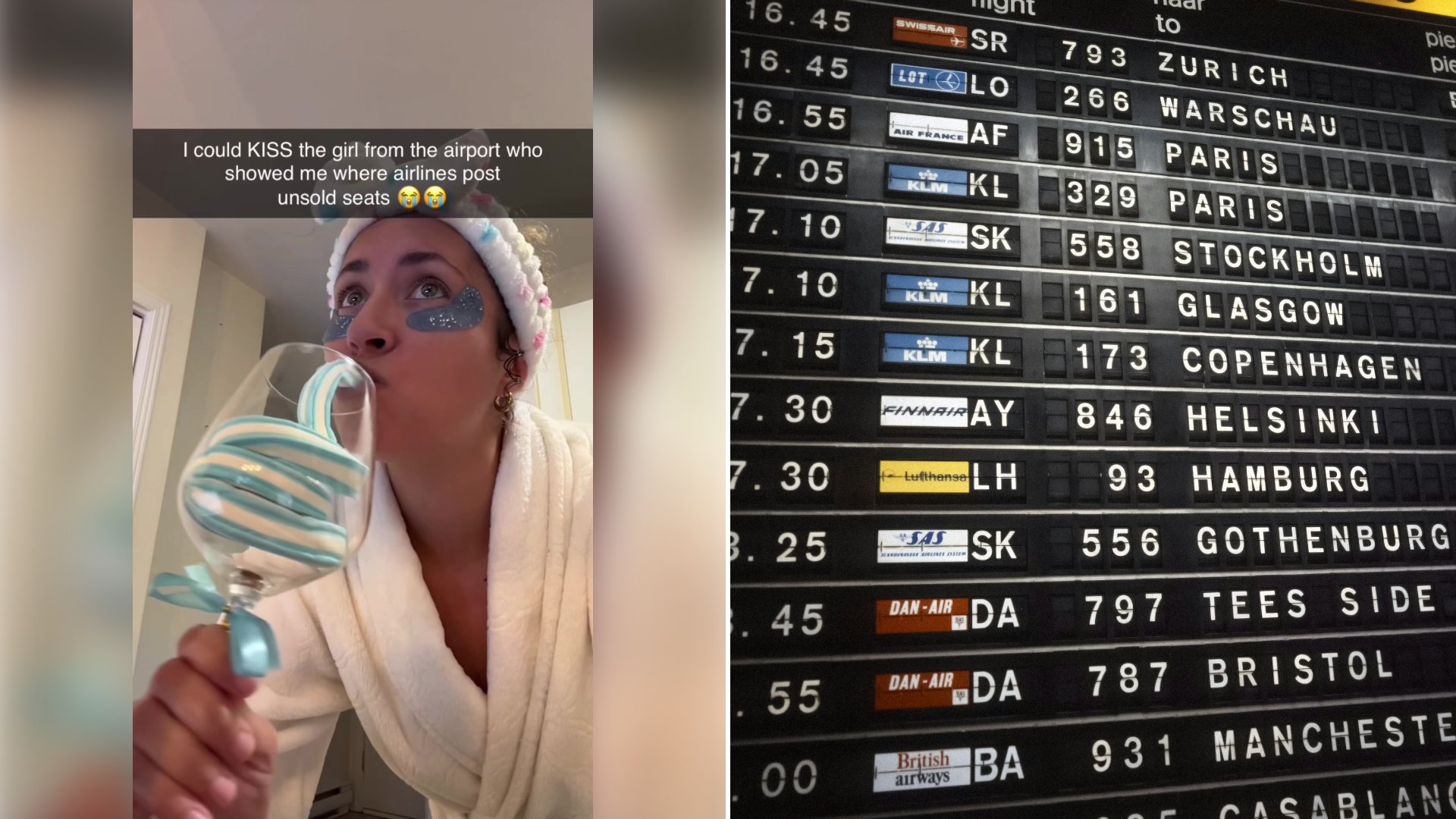
In a TikTok that leans heavily into equal parts gratitude and regret, creator @travelhackswith.lo says she could kiss the stranger at the airport who first pointed her toward a website where airlines quietly list their unsold seats, because knowing about it sooner would have saved her thousands of dollars over the years.
She walks viewers through how the tool works and what kind of deals it tends to surface, framing the whole video around the simple idea that most travelers are paying more than they need to simply because they do not know where airlines put their leftover inventory.
@travelhackswith.lo
Unsold seat tracking has become one of the more popular categories of travel hack content because it taps into something airlines rarely advertise directly: flights routinely take off with empty seats, and carriers would almost always rather sell those seats cheaply than fly with them empty. That basic economic reality is what makes last minute and error fare tracking tools useful in the first place.
These tools typically work by scanning airline inventory and fare data far more frequently than any individual traveler could manually, flagging routes where prices have dropped sharply or where a flight appears to still have significant unsold capacity close to departure. Travelers who use them consistently tend to report meaningfully lower average fares compared to booking the first price they see on a standard search engine, simply because they are comparing against a wider and faster moving set of data.
The tradeoff with this kind of booking is flexibility. Deals on unsold seats tend to favor travelers who can be loose with exact dates or destinations rather than those locked into one specific flight, since the best prices usually show up on routes and days where demand happens to be lightest, not necessarily the ones a traveler had originally planned around.
Email and app alerts are the backbone of how most people actually use these tools in practice, since fare drops on unsold inventory can disappear within hours once other travelers start booking. Setting up alerts for a home airport or a short list of destinations is generally how frequent users catch the kind of savings this creator is describing, rather than checking manually every day.
Whether or not every viewer saves thousands the way this creator says she eventually did, the underlying habit, checking unsold seat listings before paying full price, reflects a real and growing shift in how budget conscious travelers are approaching flight shopping.
More from Cultivated Comfort
- 6 Travel Habits That Make You ‘That Couple’ on a Trip, According to Flight Attendants
- Pilot’s Wife Says Southwest Messaged Her After a Welcome Home Video and Asked if She and Her Daughter Wanted to Surprise Him on His First Trip After Training
- The 4 Most Overrated Fall Foliage Towns, According to People Who Actually Live There