Every neighborhood coffee shop has its regulars, the people who show up at the same time, order the same drink and know the staff by name. Starbucks barista @bigkrcarter has one of the most devoted. An older gentleman who comes in every single day has taken to writing letters to company leaders, and the barista finally got hold of them.
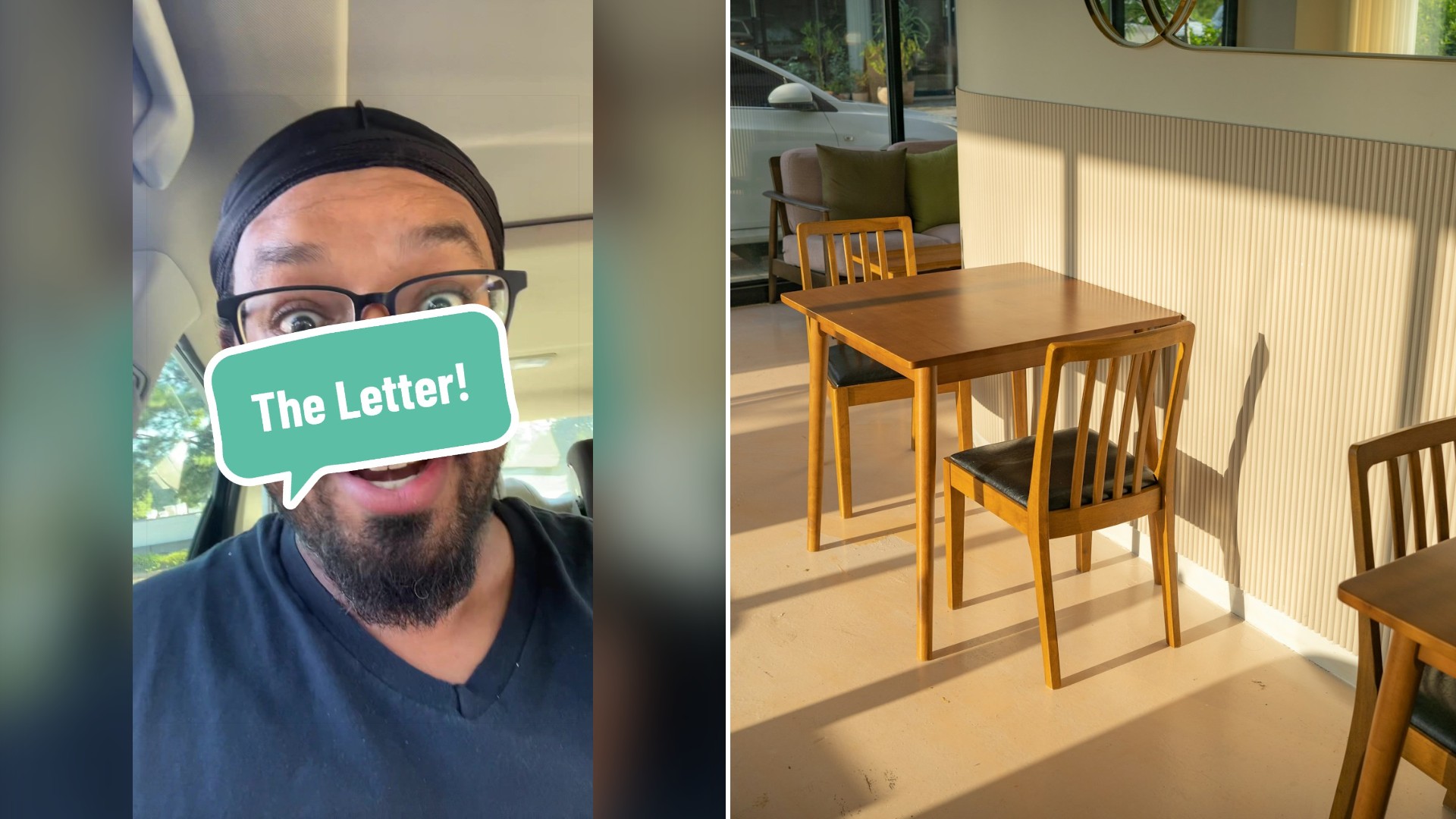
The complaint is gentle in tone but firm in substance: the store’s remodel took away the seating that made it feel like home. What makes the story richer is the barista’s own response, which looks at the same remodel from behind the counter.
@bigkrcarter
Two Letters From a Daily Regular
According to the barista, the customer first wrote a handwritten letter in cursive to the company’s chief executive. He later brought in a second, typed letter that he had sent to the chief operating officer, and the barista read it aloud. The barista also held up the originals, noting that stories should come with proof.
In the typed letter, the customer explained that shortly after the corporate remodel of his local store, he had sent a note to the chief executive laying out the problems with the new design. He understood the goal was to make stores cozier and more inviting. His point was that his store already was both, thanks to its manager and her group of great baristas.
Cozy and inviting, he wrote, is not about a few fake flowers, a fake tree and new furniture, much of which he found uncomfortable. What mattered was the products and the people. His main request was practical: bring back the regular height chairs and the two and four person tables that were removed. Without them, he said, there is no longer a place for a group of three or more to sit and enjoy a drink, a treat and a sandwich, which rules out a visit with his family when his sons are in town. He closed by saying he and his wife are trying to remain loyal customers but it is a struggle.
A Family Tradition at the Counter
The barista stressed that the man is a regular in the truest sense. He comes in every day, and when his sons visit, the whole family stops by for breakfast. Then the man takes his sons home, and he and his wife come back a second time later in the day. The barista says that is no exaggeration.
Trouble Behind the Counter
The barista agreed the remodel helps some customers, and noted that it has brought more teenagers who linger on the couches, sometimes with their feet on the tables. But the barista argued that the work stopped at the cafe floor. Behind the counter, the barista said, equipment has been left as it was, with leaking refrigerators, gaskets that will not stay on and a water return line under the espresso machine that drips regularly. The barista explained that the location is a former bank, so plumbing was routed awkwardly, and that couplers leak and drains back up.
The barista also described regulars who lost their spot. A group of mahjong players stopped playing there because there is no longer room for all seven of them to sit together. They stopped by about two weeks earlier for the first time since the remodel. And a comfortable couch does not help, the barista added, when a drink takes six minutes because four delivery orders of eight to ten items each arrived at once, which happened that very day.
The barista ended with some dry humor, joking that the customer wrote in cursive so no one could simply paste the letter into a chatbot. The humor aside, the message was clear: the people in the store, not the decor, make a place feel welcoming.
Why Seating Matters More Than It Seems
Starbucks has long described its stores as a third place, a spot that is neither home nor work where people can gather. Whether a store lives up to that idea often depends on something as simple as where people can sit. A pair of two tops can be pushed together for a small group, while a four top makes room for a family. Standard height chairs are easier for many older adults than high stools.
Businesses redesign stores for good reasons, such as moving more delivery orders through a small space. The challenge is balancing those goals with the needs of the people who linger and the staff who work the line.
How to Give Feedback That Gets Heard
If you have a concern about a favorite shop, be specific about what changed and how it affects you. Stay polite, offer a solution if you can, and use more than one channel. Telling the manager is a good first step, and a letter or customer service form can carry the message higher up.
The Takeaway
A coffee shop is more than a place to buy a drink. For many people it is a daily stop that gives the morning shape and a sense of community. This customer and this barista are describing the same store from two sides, and both say the same thing: the people make it, and the space should support them. Whether or not the company changes anything, a handwritten letter is a reminder that people notice when a familiar place stops feeling like home.