

There is a special kind of kitchen heartbreak that comes from watching the coating on a good frying pan start to peel. The eggs that once slid around like they were on ice now stick and tear. You scrub, you sigh, and eventually you head to the store for yet another pan. The painful part is that many pans do not wear out on their own. Plenty of them are worn out by our own habits, and the habits are easy to fix.
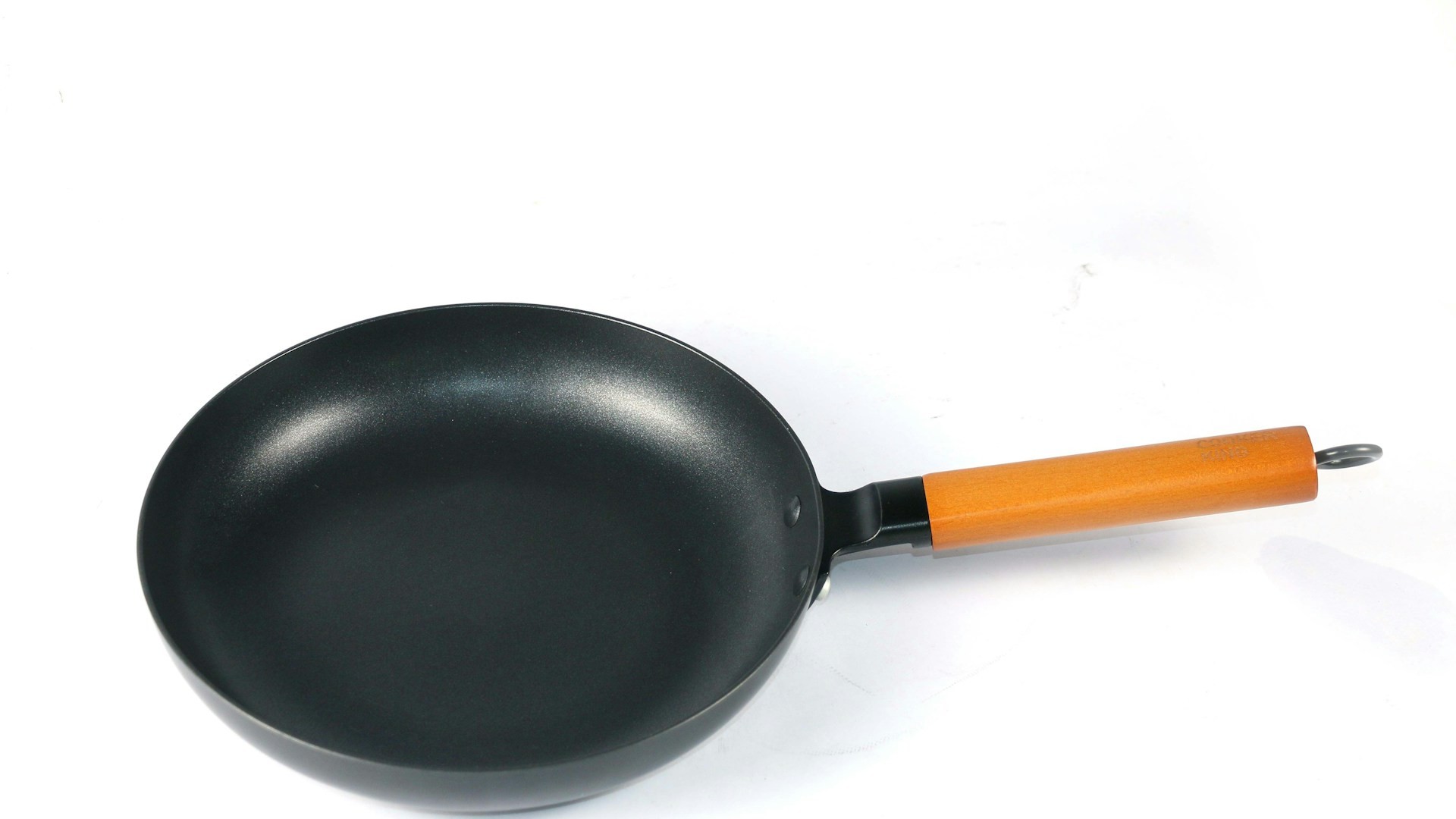
Here are five common mistakes that shorten the life of nonstick cookware, along with what to do instead. Nobody is perfect in the kitchen, so if you recognize yourself in this list, you are in good company.
1. Preheating the Pan Empty on High
It is tempting to crank the burner to high and let the pan get blazing hot while you chop an onion. With nonstick cookware, that is one of the habits most likely to shorten its life. The coating is meant for low to medium heat. An empty pan has nothing in it to absorb the heat, so it climbs fast, and the coating takes the punishment.
Instead, start on low to medium heat and add a little oil or butter as the pan warms. You will still get a nice sear on most foods, and your pan will last longer. If a recipe truly calls for a ripping hot surface, that is a job for a cast iron or stainless steel pan, not your nonstick one.
2. Using Metal Utensils
A metal spatula or a fork scraped across the surface can scratch or nick the coating. Once the surface is scratched, food starts to cling there first, and the damage tends to spread. It may look like a tiny mark, but it is the start of a pan that no longer does its job.
Switch to soft tools such as wood, silicone or nylon. They flip eggs and stir sauces just as well without leaving a trace. If you have a drawer full of metal utensils, keep them for your stainless steel and cast iron, and set out a separate cup of soft tools by the stove so you reach for the right one.
3. Stacking Pans Without Protection
Cabinet space is precious, so many of us nest our pans one inside the other. The trouble is that the bottom of one pan rubs against the coating of the pan beneath it every time you pull them apart. Over months, that adds up to scuffs and scratches.
The fix costs almost nothing. Slip a paper towel, a dish cloth or a felt pan protector between the pans. Better yet, hang them or store them in a single layer if you have the room. A little cushioning between pans is far cheaper than a new skillet.
4. Aggressive Scrubbing
When food does stick, the instinct is to attack it with a steel wool pad or a rough scouring sponge. That is just another way of scratching the coating. Heavy scrubbing can wear down the very surface you paid for, and a pan that has been scoured week after week will not release food the way it once did.
A gentler approach works better. Let the pan cool, fill it with warm soapy water and let it soak for a while, then wipe it with a soft sponge or cloth. Most stuck on food lets go with a little patience and far less elbow grease.
5. Running It Through the Dishwasher
Tossing the pan in with the dinner plates is easy, and that is exactly why so many of us do it. Dishwasher cycles are another habit that shortens the life of nonstick cookware. Hot water, strong detergent and the jostling of other dishes are a rough combination for a delicate surface.
Hand washing takes a minute or two, and it is one of the best things you can do for your pan. Check the care instructions that came with it, since the maker knows the product best. Some pans are labeled as dishwasher safe, but even then, gentle hand washing tends to be kinder to the coating over the long run.
Why This Is a Money Issue
A nonstick pan is not a one time purchase if you treat it badly. Keep replacing pans that you wore out yourself, and the cost climbs quietly in the background. That is why this counts as a real household money gripe. The cruel twist is that the pan did not fail you. The routine did.
Taking care of your cookware is one of the cheapest ways to save. A few small changes keep the coating working far longer, which means fewer trips to the store and fewer old pans heading to the trash. It also means your cooking stays easier, because a pan in good shape needs less oil and less cleanup.
A Quick Care Checklist
- Cook on low to medium heat, and add oil or butter before the pan gets very hot.
- Use wood, silicone or nylon tools only.
- Put a soft layer between pans when you stack them.
- Soak and wipe gently instead of scrubbing hard.
- Wash by hand rather than in the dishwasher.
Learn these five habits and your next pan can last well beyond the last one. You will still need to replace nonstick cookware eventually, since every coating wears over time, but you will be the one choosing the day, not your old routine. Your eggs, your pancakes and your wallet will all thank you.
More Stories You May Like
- Cruise Fans Are Learning a Three Step App Trick They Say Lets Them Skip the Royal Caribbean Check In Line and Walk Straight Onto the Ship on Embarkation Day
- Shopper Tracked the Same 20 Groceries at 20 Portland Stores Every Month for 13 Months, and Then WinCo Lost Its Cheapest Store Crown by Just 21 Cents
- Wedding Content Creator Reveals Five People You Should Never Feel Guilty Leaving Off Your Guest List, and Plenty of Families Are Not Going to Like Hearing It


