Most of us have sat at a crowded gate and heard the announcement: the flight is oversold, and the airline is looking for volunteers to take a later flight in exchange for compensation. Usually the offer is a few hundred dollars and a shrug. But one passenger, @jinberr, filmed a short clip from an airport this spring after watching an offer for a single seat climb to a number that made everyone at the gate do a double take.
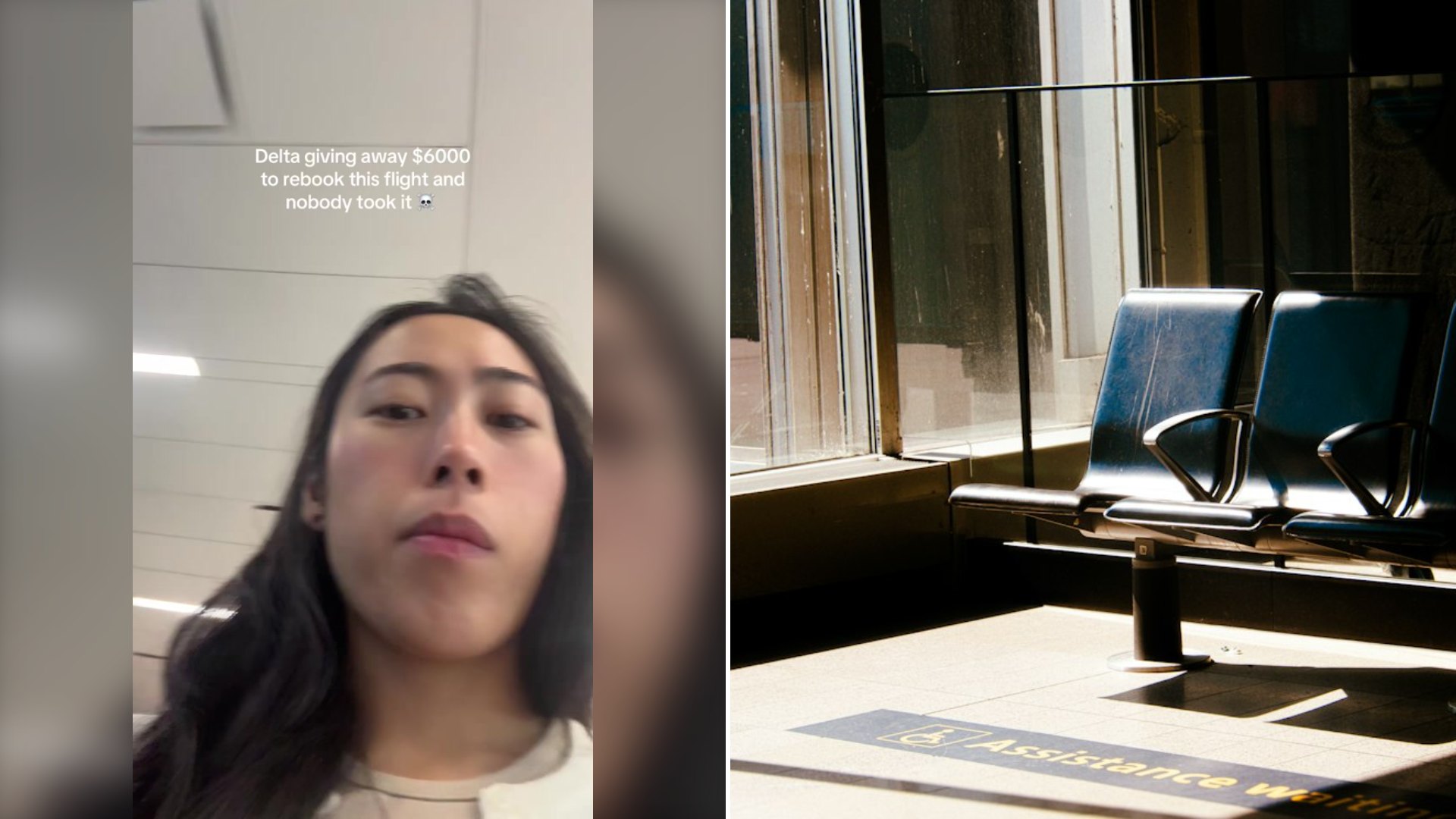
The clip itself is only a few seconds long, but the caption tells the whole story. “They overbooked this flight and needed volunteers. Started at 800$ and went up to $6k,” the passenger wrote, adding a skull emoji that pretty much sums up the reaction of anyone who has ever turned down a measly voucher.
The airline isn’t named, and the video doesn’t say who finally took the deal or what route it was. What it does show is something many seasoned travelers already suspect: when a gate agent truly needs a seat, the first offer is rarely the last one.
@jinberr
Going from $800 to $6,000 means the offer rose more than sevenfold while passengers sat and waited to see who would blink first. For anyone who had flexible plans that day, it was the kind of moment that turns an ordinary travel delay into a paid vacation.
Why Airlines Sell More Seats Than They Have
Overbooking sounds like bad manners, but it is a deliberate, legal business practice in the United States. Airlines know from years of data that a certain share of ticketed passengers won’t show up. People miss connections, change plans, or simply don’t come. To avoid flying with empty seats, carriers sell a few more tickets than the plane holds.
When the math doesn’t work, the airline first has to ask for volunteers before it can bump anyone against their will. That’s why you hear those offers at the gate. The longer nobody volunteers, and the more the airline needs the seat (for a crew member, a weight issue, or a full flight with no wiggle room), the higher the bidding tends to go.
There is no legal cap on what an airline can offer a volunteer. That’s the key point. Volunteer compensation is a private deal between you and the airline, which is how an offer can float all the way up to the thousands.
What You Are Owed If You Are Bumped Involuntarily
If no one volunteers and you are denied boarding against your will, federal rules from the U.S. Department of Transportation kick in for flights departing the U.S. In most cases, if the airline can’t get you to your destination within an hour of your original arrival time, you’re entitled to cash compensation. The amount depends on how late you arrive. For longer delays it can reach four times your one-way fare, with a ceiling that is now above $2,000 and gets adjusted for inflation every couple of years.
A few things worth knowing about those rules:
- You have the right to be paid in cash or by check, not just a voucher. The airline may offer a voucher instead, but you can insist on money.
- The airline must give you a written statement explaining your rights and how it decides who gets bumped.
- You generally need to have checked in on time and met the airline’s boarding deadlines to qualify.
- You keep your original ticket and can use it on another flight or ask for a refund if you choose to make other arrangements.
That’s why airlines would much rather pay a volunteer a generous sum.
How to Make the Most of a Volunteer Offer
If you’re retired, traveling without a tight schedule, or simply happy to see the inside of an airport a little longer, volunteering can be a smart move. Here’s how to do it well.
Get to the gate early. Agents often keep a list of volunteers before the announcement is even made. If you hear the flight is full when you check in, it never hurts to ask the agent quietly if they’ll need anyone to give up a seat.
Ask what kind of compensation it is. Cash and travel vouchers are not the same thing. Vouchers often come with expiration dates, blackout rules, or limits on what they can be used for. Ask whether the amount is a voucher, a gift card, or cash, and when it expires.
Confirm your new flight before you agree. A big number means less if the next available seat is two days away. Ask for a confirmed seat, not standby, and find out when you’ll actually arrive.
Request the extras. If the delay runs long, ask for meal vouchers, a hotel room if you’ll be stuck overnight, and ground transportation. Some passengers also ask for a seat upgrade or lounge access on the new flight. The worst they can say is no.
Don’t rush to say yes. As the clip shows, offers can climb. If you’re flexible and the gate still needs volunteers, waiting a round or two may pay off. Just know there’s a risk the airline finds someone else first.
When Saying No Is the Right Call
Of course, no amount of money is worth missing a grandchild’s wedding, a medical appointment, or a cruise departure. If your plans are fixed, stay in your seat and enjoy the flight. And if you do end up bumped involuntarily, ask for that written statement of your rights at the gate and keep your boarding pass and receipts.
For everyone else, the takeaway from this little airport video is simple. Listen to the gate announcements, know your rights, and remember that a first offer is just that, a first offer. Somewhere out there, one lucky traveler with an open calendar may have turned a delay into $6,000.
More From Cultivated Comfort
- Family Checks Into a Hotel Room With Hardly Any Light Switches a Mystery Mark on the Mirror and a Microwave That Is Not Plugged In and Shares a Full Room Tour
- Man Says the Best Tacos in Ireland and Maybe All of Europe Came from a Place He Did Not Expect
- Mom Packs up Four Kids Early After a Hotel She Trusted Put Them in a Room with Bed Bugs and Tells the Whole Story