The slow cooker is the hero of the busy kitchen. You load it in the morning, walk away, and come home to a house that smells like Sunday dinner.
But a few easy habits can turn that hero into a problem. The USDA Food Safety and Inspection Service, the agency that watches over meat and poultry safety, has a fact sheet called Slow Cookers and Food Safety that spells out what to avoid.
Here are seven things you should never do with your slow cooker, all drawn from that USDA guidance.
Slow cookers are safe when used the way they were designed, and the rules are short. Think of them as a checklist you can read in one minute.
1. Never Drop In Frozen Meat Or Poultry
It feels like a time saver to toss a frozen roast straight into the pot. USDA says to thaw meat and poultry before cooking.
Plan ahead the night before and let the refrigerator do the work. Your dinner will thank you.
Thawing in the refrigerator is the easy path for most families. Set the meat on a plate on the bottom shelf the day before so it is ready when you are.
2. Never Overfill The Pot
More is not better. USDA says to use the amount of food suggested in the cooker’s instruction booklet, which lists sizes for meat and poultry by cooker size.
If you lost that booklet years ago, most makers post the manual online. A quick search of the model number on the bottom will usually find it.
An overfull pot also makes it harder for the food to cook evenly. Following the booklet keeps the portions where the maker designed them to be.
3. Never Lift The Lid Just To Peek
We all want to check on the stew. USDA says to keep the lid on except to stir the food or check that it is done.
Every peek lets heat escape, and the pot has to work to get back to temperature. Trust the clock and save the lifting for when it matters.
If the recipe says to stir, then stir and put the lid right back. That small habit keeps your cook time close to what the recipe promised.
4. Never Load The Meat Before The Vegetables
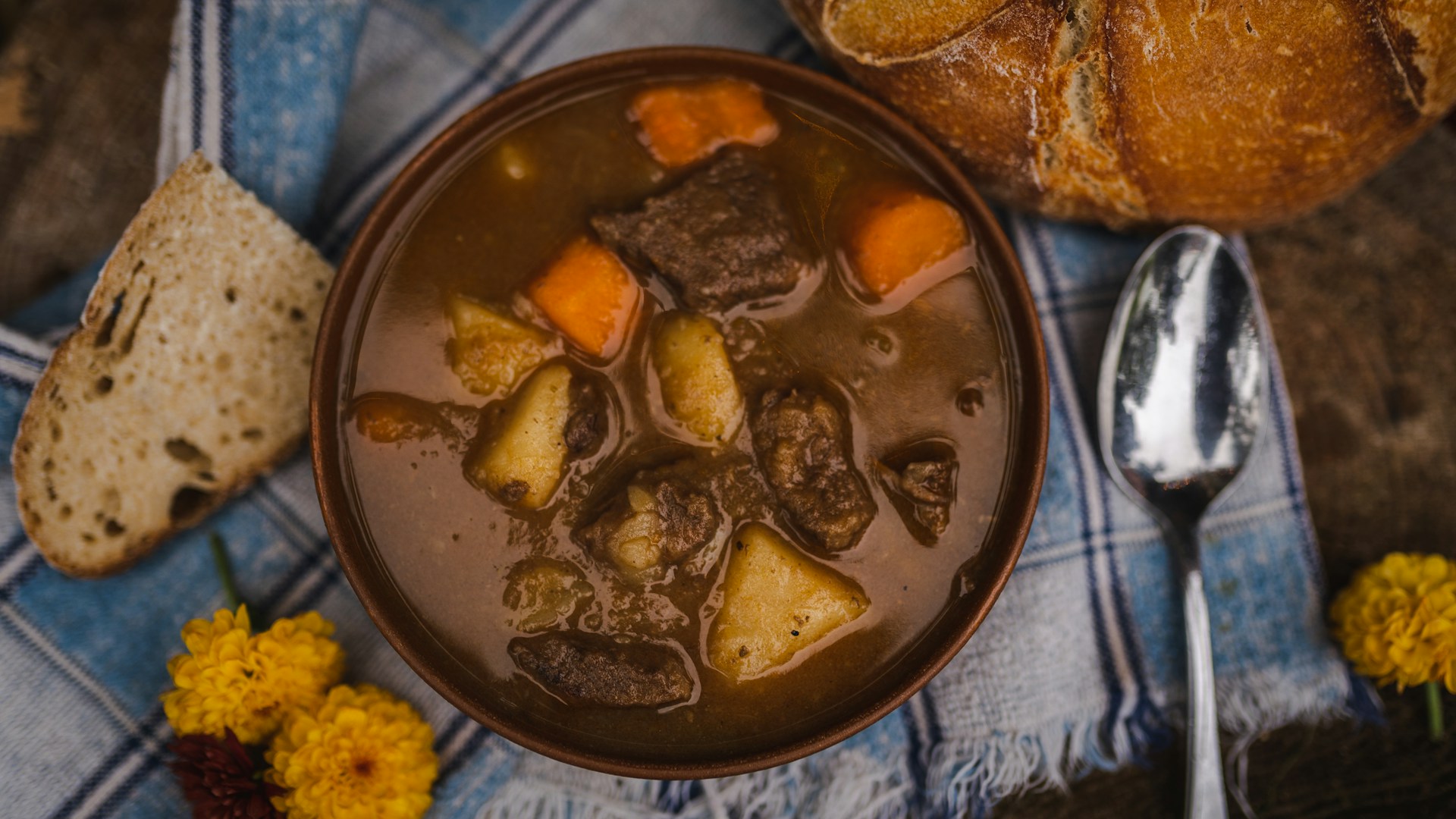
Order matters in a slow cooker. USDA says to add vegetables first, since they cook more slowly than meat.
The agency also says to set the cooker to its highest setting for the first hour, then switch to low or whatever the recipe calls for. Think of it as a good start to a long day.
Layering matters for the same reason. Hearty vegetables like carrots and potatoes go on the bottom, with the meat on top, so everything finishes together.
5. Never Leave Perishables Sitting Out Waiting
Chopping ingredients early is fine, but leaving them on the counter is not. USDA says to keep perishable ingredients refrigerated until it is time to cook.
Prep the night before, store the pieces in the refrigerator, and load the pot right before you turn it on.
A cold crock is not a problem. Leaving a pot of raw chicken on the counter while you run errands is.
6. Never Use It To Reheat Leftovers
This one catches a lot of people. A slow cooker works on low heat, which USDA describes as generally ranging from 170°F to 280°F, so it is built for cooking, not for warming up cold food.
The agency says to reheat leftovers to 165°F on the stove, in a microwave or in a conventional oven first, and only then move them to the slow cooker. Once there, hot food should be held at 140°F or higher, checked with a food thermometer.
That thermometer is the real hero of this tip. It gives you a number instead of a guess, and it only costs a few dollars.
7. Never Let The Leftovers Linger
When the meal is over, the clock starts. USDA says to refrigerate leftovers within 2 hours after cooking ends.
It also says to store them in shallow, covered containers. A shallow dish cools much faster than a deep pot, and the food spends less time in the danger zone.
Many of us leave the pot on the counter through dessert and a long chat. Setting a timer for the end of the meal keeps you honest.
One more USDA point is worth knowing before a storm. If you are at home and the food was fully cooked before the power went out, it stays safe for up to 2 hours with the power off. If you are away when the power fails, USDA says to discard the food even if it appears done.
Notice what all seven have in common. Each one protects the food from sitting too long in the wrong temperature range, and each one costs you almost nothing to follow.
None of these steps is hard. A few minutes of planning gives you tender, worry-free meals all winter long.
Put the cooker on the counter, read the booklet once, and keep a food thermometer in the drawer. Your future self, hungry and cold, will be glad you did.
More Stories You May Like
- 6 Ways to Protect Your Home and Retirement When Dating Later in Life Before You Move In Together or Merge Money Too Soon With a New Partner
- 5 Ways to Protect Your Savings and Your Relationships Before Lending Money to Family and Friends Quietly Damages Both of Them for Good
- 6 Ways to Say No to the Free Breakfast Timeshare Presentation That Can Swallow Your Whole Vacation Morning Without Signing Anything