Before that box of old kitchen things goes into the trunk for the donation center, take ten minutes and look through it. The mixing bowl your mother used for Sunday cakes might be worth more than you think. Or it might be worth a few dollars. Either way, you will know.
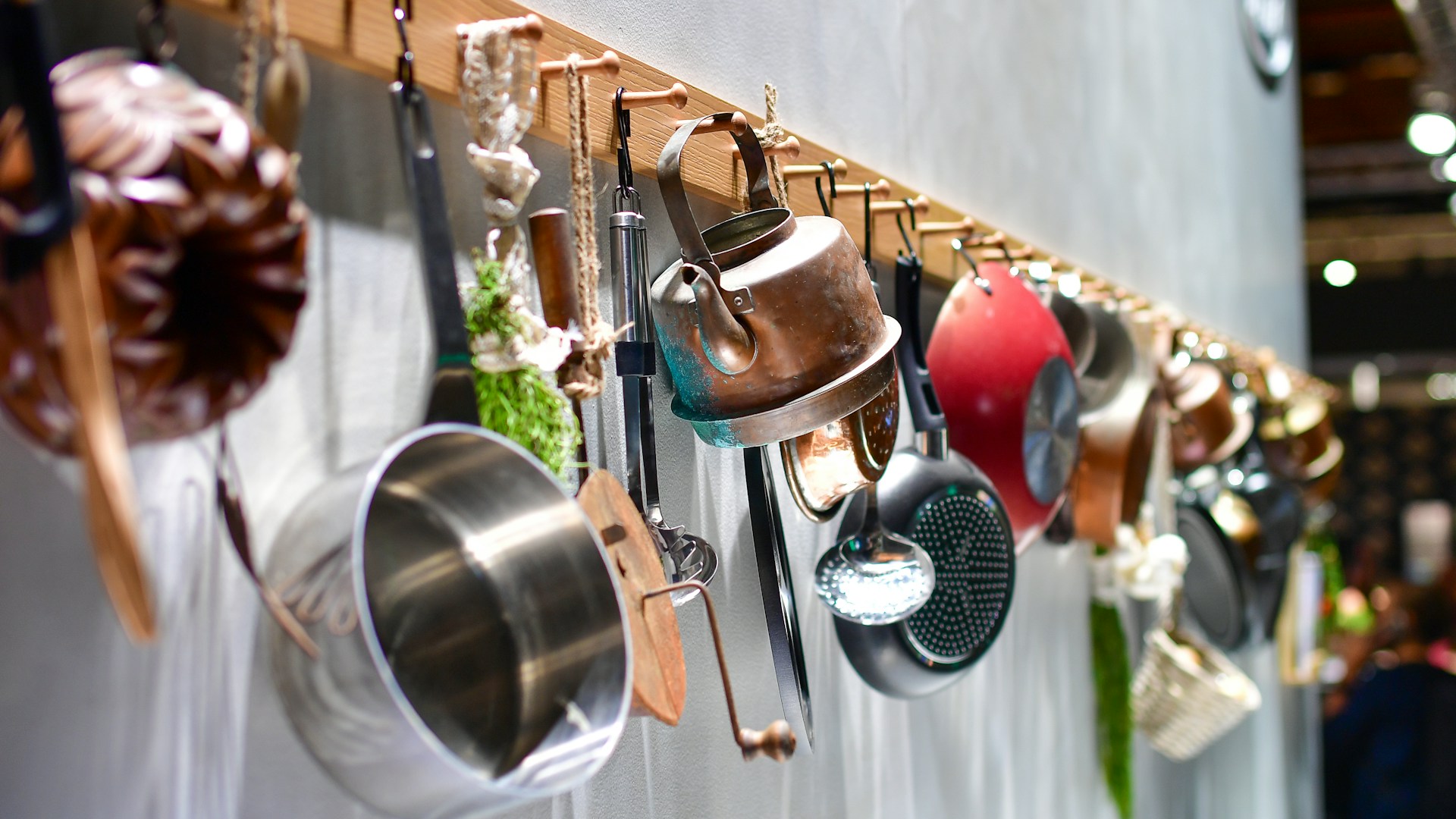
Mental Floss, in a January 2026 article, says antique experts and retro-loving homeowners will pay big money for items like colorful glassware and patterned Pyrex. Condition and rarity play a role, it notes. Here are seven pieces from its list to check first.
A word of caution first. Many of the figures below come from online marketplaces such as eBay and Etsy, where sellers set asking prices, and the numbers are a snapshot that can move up or down. Treat them as a guide to what collectors are asking, not a promise of what you will get.
Not everything old is valuable, and not every piece in a good pattern is perfect. Chips, cracks, stains and missing lids can cut a price sharply, so be honest when you look at your own things.
Cookie Jars Shaped Like Storybook Characters Can Bring Hundreds
Mental Floss points to ceramic cookie jars made between the 1930s and 1950s, especially quirky ones with nostalgic characters. It says a Hull Little Red Riding Hood jar is valued between $100 and $300.
A Regal China Alice in Wonderland jar can go for up to $2,000, the article says. Check the bottom for a maker’s mark before you decide.
Old Mason Jars Are Worth More In Cobalt Blue, Amber Or Green
Mason jars have been used since the 1850s, and Ball is prominent in home canning, according to Mental Floss. Everyday jars fetch only a few dollars.
Collectors want older jars in cobalt blue, amber or green, and jars with unique embossing or lids. The article says a Ball Perfect Mason jar in olive amber goes for as much as $380 on eBay.
Jadeite Glassware Remains A Collector Favorite
The article names Fire-King and McKee as makers of the jadeite glassware found in Depression-era and postwar kitchens. That includes everyday plates and cups, plus rarer pieces such as a Ball jug.
Mental Floss says Swirl pattern sets can be $300 or more, depending on condition. Chips and cracks matter, so look at each piece in good light.
Griswold And Wagner Cast Iron Can Bring Hundreds
Skillets and Dutch ovens by Griswold and Wagner are on the list. Mental Floss puts their price at $100 to several hundred dollars, depending on size and condition.
The article says smooth cooking surfaces and clear maker’s marks add to value. Before you scrub that old skillet, look at the bottom for a name.
Pyrex In The Right Pattern Can Sell For Thousands
Pyrex surged in popularity in the mid-20th century, says Mental Floss. It reports that Golden Sunflower Daisy and Bluebelle Delphite bowls have sold for thousands of dollars on auction sites.
Cinderella mixing bowls and rare divided plates also bring in big money, it says. Patterns such as Amish Butterprint, Turquoise Butterprint and Gooseberry are worth hundreds, especially as complete sets or in excellent condition.
Vintage KitchenAid Mixers Fetch $150 To $500
Older mixers in popular colors can fetch $150 to $500 on sites like eBay, Mental Floss says. Rare Hobart models, the H-5 and the G, can sell for more if they are in good condition.
Later vintage models without the Hobart label can still be valuable, according to the article. Wipe it down and check the nameplate.
CorningWare From The 1970s Is Usually About $20 A Piece
The article says CorningWare was popular in the 1970s, and that Cornflower and Spice O’ Life patterns usually go for around $20 per piece. Rare colors and patterns can reach up to $10,000, it reports.
Look for the flame logo and the words Made in USA to help identify authentic pieces.
How To Check Before You Donate
Start by looking for markings on the bottom of each piece, then search that name and pattern online. Compare your item with listings that look the same, in the same condition, and note how many are for sale.
If something looks rare, take it to a local antiques dealer or an appraiser for a second opinion. A fair offer is worth more than a quick guess.
Take clear photos of the front, back and bottom of anything you plan to sell. Good pictures and a plain description of any flaws help buyers trust you, and they also help you remember what you had.
Wrap fragile glass and ceramics in newspaper or towels while you sort, so a treasure does not break on the way to the car. If you are unsure, set the box aside for a week and ask a friend who collects.
Keep in mind that most kitchen items are worth little, and that is fine. What does not sell can still go to a donation center, where it will be put to good use. Is there a piece in your cupboard worth a second look?
More Stories You May Like
- Check Your Bill for Automatic Gratuity on Large Parties Before You Add a Tip or You May Pay Twice for the Very Same Restaurant Service
- Check Your Passport Expiration Date Before You Book Because Many Countries Require Months of Validity and It Can End Your Trip at the Airport
- 5 Quick Habits to Check Your Drive Thru Bag Before You Leave the Window and Avoid the Annoying Missing Item Trip Back Through the Line