If you have ever stood in a rental kitchen at checkout, hunting for the trash bags while a long list of chores glared from the fridge, Airbnb has some news. The company is retiring several of its most disliked checkout demands.
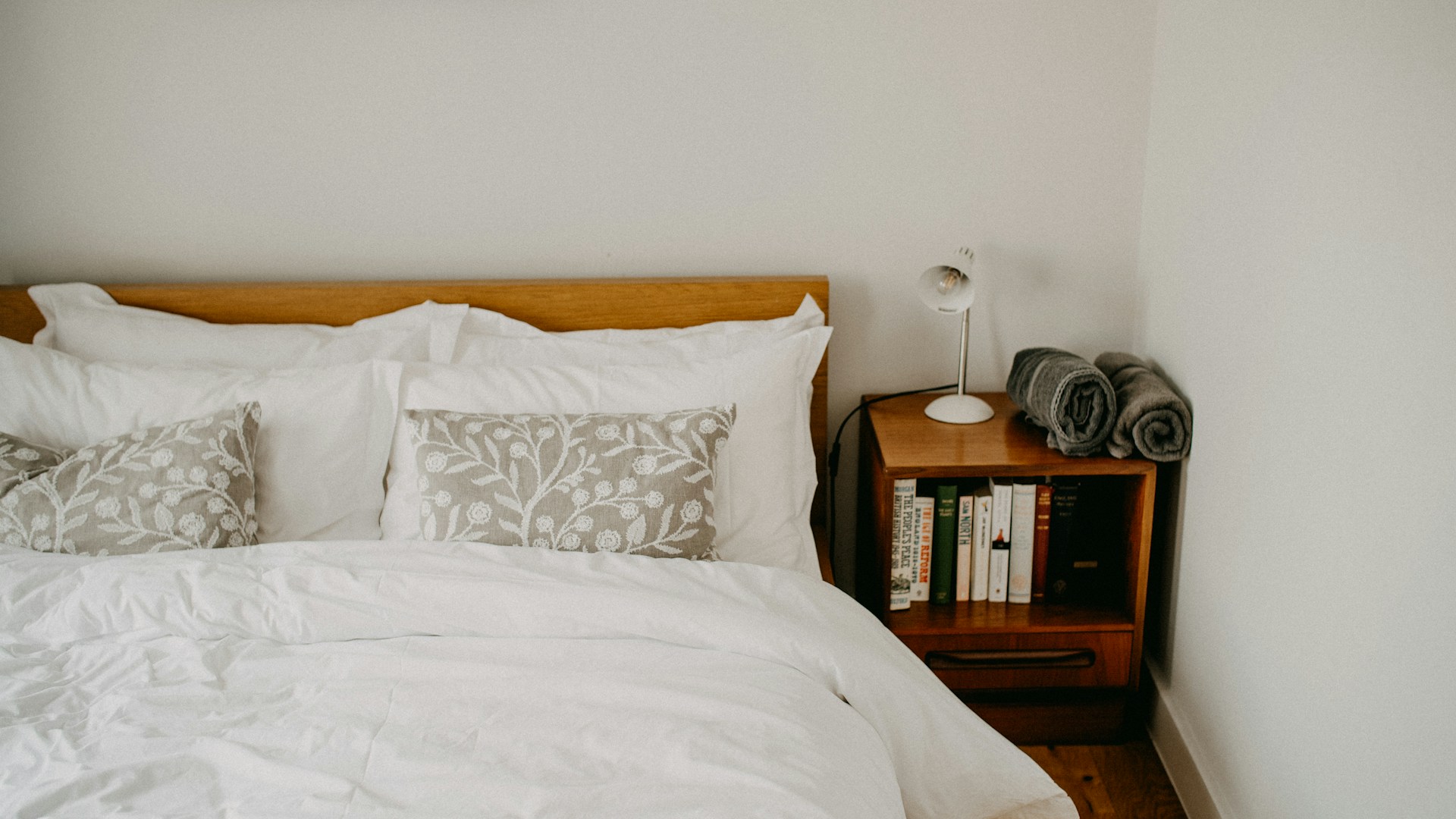
AFAR laid out the changes in a look at what the new cleaning policy means for guests. Here is the plain-English version.
Starting November 20, Hosts Generally Cannot Make You Strip Beds Or Start Laundry
Beginning November 20, hosts generally will not be allowed to require guests to strip beds, start laundry, wash and put away dishes, or haul garbage off the property before leaving. It is a notable step for a company that has spent years answering complaints about sprawling cleaning lists, especially from guests who already pay a cleaning fee.
Airbnb says hosts can no longer assign tasks that “require significant time or effort, or would typically be performed by a cleaner.” The policy draws a clearer line between leaving a place reasonably tidy and doing all the cleaning yourself.
No More Surprise House Rules
The company is also cracking down on surprise rules, such as banning pets from furniture or suddenly telling guests when they can use amenities. Hosts must now disclose every expectation before a reservation is made.
They can send reminders during a stay, but they cannot add new requirements through messages, signs posted inside the rental or in-person conversations. Hosts also cannot forbid guests from using amenities advertised in the listing, such as air-conditioning, or spring surprise charges like a pool-heating fee.
Dishes In The Sink And Towels In A Pile Are Still Fair Game
Do not expect to walk out and leave the place a wreck. Hosts can still ask travelers to put used dishes in the sink, gather dirty towels, sort trash and recycling into designated indoor bins, and turn off appliances or air-conditioning before they leave.
There are exceptions for properties with special environmental or safety concerns. At a remote cabin in bear country, guests might still be asked to place garbage in wildlife-resistant containers, and rentals in drought-affected areas could ask visitors to limit shower times.
Cleaning Fees Are Not Going Anywhere
Do not expect your bill to shrink. Hosts can still charge cleaning fees, and since April 2025 Airbnb has shown the total price of a stay, including cleaning and service fees, in search results.
Guests also remain responsible for damage or messes that need unusually extensive cleaning, like stained carpets or pet accidents. What hosts cannot do is hand out their own fines just because a guest skipped a checkout chore.
Dennis Schaal, founding and executive editor of travel industry publication Skift, expects some hosts to respond. “I think some hosts will raise cleaning fees,” he says, noting that owners who host large families or groups argue that a kitchen full of dirty dishes creates extra work for cleaners. Airbnb does not set cleaning fees itself, so how far they rise remains to be seen.
Hosts Push Back Over IDs And Rental Agreements
Schaal says the loudest objections may not be about cleaning at all. A related update limits hosts’ ability to require separate rental agreements or collect guests’ personal information, including copies of government IDs.
Some hosts say those documents matter for insurance or legal reasons. Airbnb allows exceptions, including contracts required by law or homeowners’ associations, and hosts can still check IDs in person at check-in if that was disclosed before booking, though they generally cannot keep copies.
Schaal says complaints about long checkout lists are widespread, though “perhaps some of the extreme ones are more limited.” He adds there is no reliable public data, but Airbnb analyzed its own numbers when writing the new policy.
The Date That Matters: Bookings Made On Or After November 20, 2026
Here is the catch for anyone with a trip coming up. The new rules apply to reservations booked on or after November 20, 2026, no matter when the stay happens.
If you reserved a cabin months ago for Christmas or a beach house for next summer, the previous rules still govern your stay.
What To Do If A Host Hands You A Long Chore List
For covered bookings, compare any list or extra requirement you find on arrival with the instructions attached to your reservation. If something does not match, Airbnb recommends contacting the host through its messaging platform.
Take screenshots of any surprise demands and contact Airbnb support if the problem is not resolved. Travelers can review the host’s expectations before booking, and afterward in the Trips tab and reservation reminders.
Hosts who ignore the policy could face warnings or be required to revise their listings. Repeat violations may bring reduced visibility in search results or notices on listings alerting prospective guests to excessive requests.
A New Amex Perk Rides Along With The Changes
The cleaning rules are part of a broader overhaul that includes a partnership with American Express, announced October 22. More than 1 million Airbnb listings are now available through the American Express Travel booking platform.
Consumer and Business Platinum cardholders earn five points per dollar on qualifying prepaid reservations through Amex Travel, while most other eligible cards earn two. Travelers connect their Airbnb and Amex accounts, then still use Airbnb to message the host, make changes or cancel; for now, points can be earned but not spent to pay at checkout.
Platinum and Business Platinum cardholders can also put their annual $600 hotel credit, now called the $600 Lodging Credit, toward Airbnb Luxe homes. That requires prepaying at least two consecutive nights through Amex Travel, with up to $300 for bookings from January through June and another $300 from July through December.
More Stories You May Like
- Holiday Shopper Searching JFK To Buffalo Sees A Return Flight Priced From $11,400 To $12,203 With A Fort Lauderdale Layover And Says She Will Start Walking Home
- Carnival Puts Crew Love Stickers On The Cruise Cards Of Passengers Who Prepaid Tips, And Some Cruisers Call It Super Cringy While Others Say They Love It
- Mom Hands Her Son A Sealed Halloween Bag Of Wavy Lay’s That Rattles When He Shakes It, And The Whole Bag Holds Exactly One Chip, “Thanks, Lay’s”