A luxury handbag reseller says one friendly couple at a weekend market turned into a $24,000 loss for her small business. In a TikTok posted by @nikpollina, she lays out how a buyer with a charming manner and a stubborn credit card walked away with five Chanel bags.
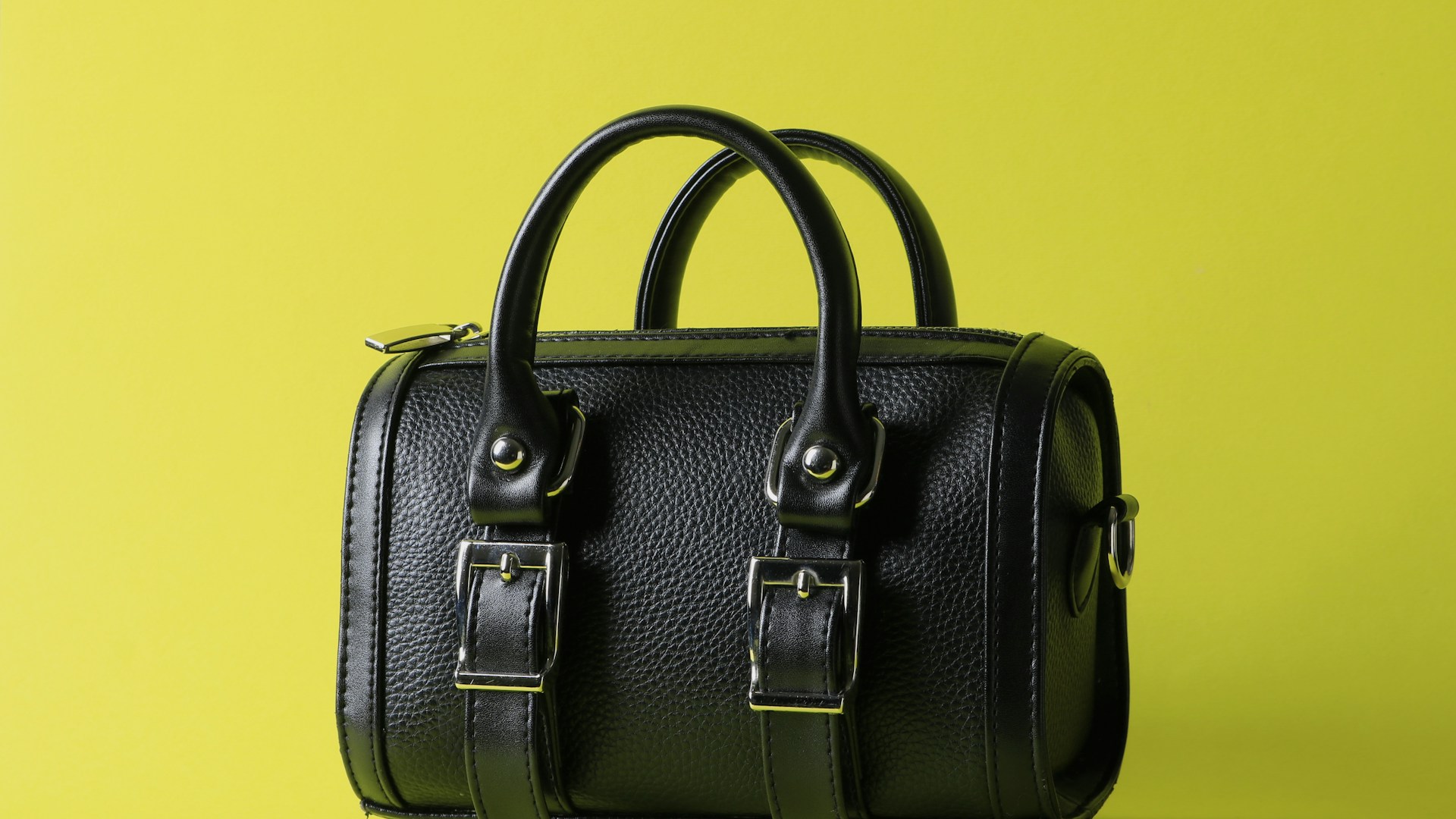
It started at the very end of the market day. A couple wandered over, struck up a conversation with her husband, and ended up buying one of the shop’s Chanel pieces.
When the man tapped his card to pay for the bag he was buying for his girlfriend, the payment would not go through. She says that happens now and then, so nobody thought twice when her husband let the customer key in the card number by hand.
@nikpollina
Buyer Asked To Swap Numbers Because He Loved The Prices And Wanted More
The sale went through on the second try, and the customer was delighted. According to the seller, he told her husband he wanted to buy other pieces because the shop had such good prices, and he asked if they could exchange phone numbers.
He then browsed the shop’s website and picked out the bags he wanted. Next came a request for her husband to meet him at a hotel to complete the deal.
At the hotel, she says, the buyer explained that his card was still acting a little strange and asked to type in the number himself again. He ended up buying four more bags, which brought his total to five.
Every Payment Landed In The Bank, Which Made The Next Ask Feel Normal
Here is the detail that makes this story so slippery. She stresses that every one of those purchases fully went through and the money physically showed up in the business bank account.
That is exactly how this kind of fraud earns trust. Early wins make a seller relaxed, and relaxed sellers say yes to bigger orders.
The buyer then asked her husband to source two brand new Chanel bags. Her husband worked with the shop’s wholesalers and tracked down a pair of jumbo flaps, which would have cost the buyer $22,000 in all.
The customer wanted to break that amount into several separate payments.
Husband Called Home Mid-Sale And Her Suspicion Kicked In
Her husband was in the middle of the deal when he phoned her, and the way he described the payments made her uneasy. She decided to dig into the card details, and the pattern jumped out.
All of those different credit cards came from different countries. Her husband had believed he was watching the customer type the same number each time, but in reality the numbers were all different.
That single fact changed everything. Cards issued in several countries, used by one person, split into smaller payments, is a classic warning sign for stolen card data.
The Girlfriend’s Text Arrived One Day Later: ‘This Is Fraud’
The next day, the girlfriend of the buyer texted her husband. She wrote, in the seller’s words, “please don’t sell him these bags,” and added that it was fraud and that he was stealing credit cards.
By then the couple had already decided not to go ahead with the $22,000 order, so the two jumbo flaps stayed in the wholesaler’s hands. That decision saved them from a far bigger hit.
The five bags were another matter. Those had already left with the buyer, and she says the shop has now received chargebacks on every one of them.
Small Business Loses Both The Money And The Merchandise
A chargeback is when a card’s real owner disputes a charge and the bank pulls the money back from the merchant. In a case like this the seller gets hit twice, because the cash is reversed and the bag is already gone.
She calls the loss incredibly damaging for a small business. She says she is posting pictures of every piece that was taken and asking her community to contact her if any of them show up on a resale marketplace.
She is realistic about the odds. She says she assumes the bags will not come back, but she wants to put the word out in case someone spots one.
How Sellers Can Protect Themselves Before The Next Smooth Talker Shows Up
Anyone who sells high-priced items in person or online can take a few lessons from this. The goal is simple: make it hard for a fast talker to separate you from the goods before the money is truly yours.
First, treat a split payment on a large order as a red flag. A buyer who wants to cover a $22,000 purchase with several cards, especially cards he keeps retyping, is giving you information, and the information is bad.
Second, never let a customer’s card be keyed in by anyone but you if you can help it, and look at the name on each card. If the cardholder name, the billing address or the country keeps changing, stop the sale.
Third, remember that a payment landing in your account is not the same as a payment being final. Card networks often give cardholders weeks, and in many cases up to about 120 days, to dispute a charge, so the safest approach for big-ticket items is a bank wire or a cash payment confirmed at the bank, or holding the goods until the funds are fully settled.
Fourth, be wary of requests to move a deal out of your normal setting and into a hotel room or a parking lot. A legitimate shopper will happily come to your shop, your booth or your pickup point.
Finally, report the fraud. Contact your payment processor and your local police, keep every text, receipt and photo, and send serial numbers or authenticity details to the resale platforms that handle luxury goods, since stolen bags tend to turn up for sale eventually.
For the rest of us, the lesson is a warm one with a sharp edge. Friendly people exist, and most customers are honest, but when a stranger is in a hurry, vague about payment and generous with compliments, slowing down is the best protection you have.
The reseller says she is hoping her audience’s sharp eyes can do what the bank cannot. If you follow luxury resale listings, her post shows pictures of each missing piece, and she is asking anyone who spots one to reach out to her.
More Stories You May Like
- Woman Pays $130 Plus A $50 Deposit For A Virginia Hotel Room After An Hour Long Check In, Then Finds A Hole In The Window Open To The Outside, Should I Report A Crime
- Groom Sees His Dream Rolex Was Sold, Not Knowing His Soon To Be Wife Is The One Who Bought It
- Woman Books A Paris Stay Online, Then Stands On The Street With Her Suitcases For Five Hours After Nobody Shows Up To Let Her In, Until She Says We Finally Have A Room