When did Black Friday become a joke? That is the question TikTok creator @blossomingbookss is asking, and the answer comes with a lot of frustration about the discounts stores are advertising.
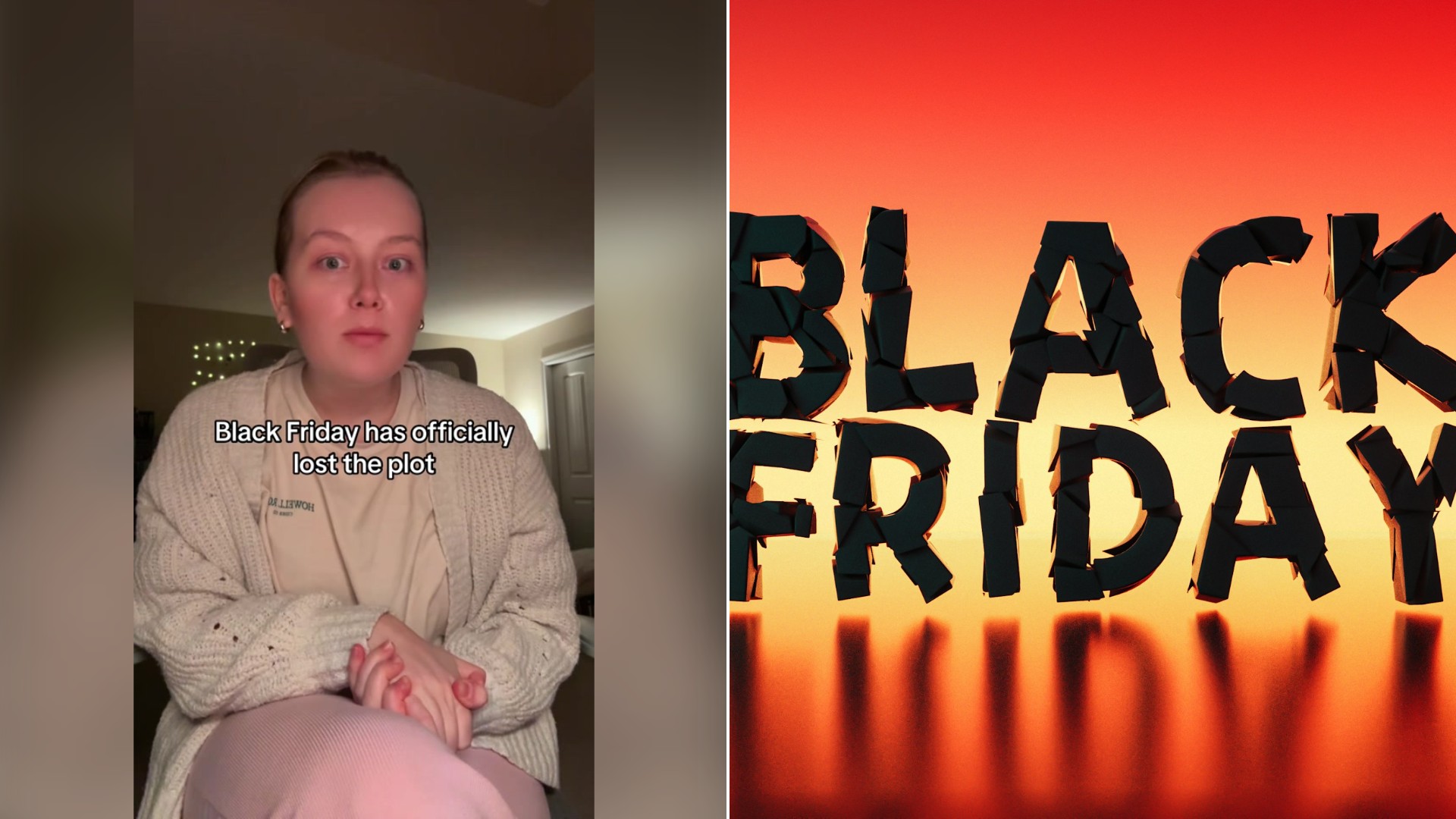
The creator’s caption says it all: “The audacity is 100% off.” And the rant starts with a shopper’s reaction to a sale banner that reads 20% off a $100 order.
@blossomingbookss
“What Do You Mean 20% Off Your $100 Order?”
To the creator, a 20% discount on a $100 purchase is a $20 savings, and that is not the stuff that makes anyone rush a store. Even a 30% banner does not impress.
The creator has a message for any business that does not understand the holiday. Black Friday, the creator says, is supposed to be the deepest, most “unhealthy, disturbing, grotesque” discount of the year.
“It Is 75% Off, Okay?” The Standard The Shopper Says Stores Should Meet
The creator puts a number on it. Black Friday is supposed to be 75% off, the creator says, and it is the only time of year you see discounts like that, apart from Boxing Day. Even then, the creator says, Boxing Day is not supposed to be as downright dirty and disgusting as Black Friday.
The kind of sale shoppers want, according to the creator, is one that makes people want to spend every last cent. Limited time, one day only, you get it or you lose it.
One Company Offered 5% Off, And The Reaction Was “Wait, You Want Me To Save A Penny?”
The creator’s sharpest line is about a company that advertised 5% off. “5%? Wait, you want me to save a penny?” the creator says, and adds that “we don’t even have pennies,” a joke about just how tiny the savings would be.
In this economy, the creator says, a 20% offer does not cut it. Anything less than a serious discount is, as the creator puts it, a reason to tell the store to get lost.
There is also a complaint about all the promotion around sales. The creator says the endless advertising of a sale is not the same thing as a deal worth buying.
What A Real Black Friday Deal Looks Like, And How To Spot A Fake One
The creator is not alone. Every year shoppers compare notes online about whether a Black Friday price is really a bargain or simply a normal price dressed up in a banner. The math is simple enough to check at home.
A 20% discount on a $100 order saves $20, so you pay $80. A 5% discount saves $5. A 75% discount, the creator’s gold standard, would take the same order down to $25. Seeing the numbers side by side shows why a small percentage barely registers.
The percentage also tells you little unless you know the starting price. A store can raise a price in October and cut it back in November, and the sale looks bigger than it is.
- Check the price history on a product before you buy. Free price tracking tools and browser extensions can show whether the sale price is truly low.
- Compare across at least two or three stores. The same item can differ by many dollars.
- Look for doorbusters, the limited quantity, limited time deals the creator is describing. These are usually the best prices of the day, and they sell out.
- Read the fine print on percentage offers. Many are “up to” discounts that apply to only a few items, or they exclude popular brands.
- Check the return policy. Holiday purchases often have extended return windows, but not always.
- Do not buy something just because the banner is bright. If you were not planning to buy it, a discount does not make it a savings.
It also helps to decide your list before the sales begin. Write down the few items you actually want and the price you are willing to pay. If a sale does not reach that number, walk away, because prices on many items drop again in the weeks before Christmas and during January clearance.
One more habit pays off: sign up for store emails and app alerts a week or two ahead. Many retailers release early deals, coupon codes and free shipping offers to subscribers before the doors open, and those can stack with the sale price when the store allows it. Unsubscribe afterward if the inbox gets crowded.
The Boxing Day Comparison And Why It Resonates
The creator brought up Boxing Day because it is the other big discount day that shoppers in countries such as Canada and the United Kingdom look forward to. It falls on December 26, the day after Christmas, and stores there often slash prices to clear holiday stock.
By saying Boxing Day is not supposed to be as dirty as Black Friday, the creator is making a point about expectations. Black Friday carries a reputation for the most extreme prices, and when the offers on the screen are modest, shoppers feel let down.
For many families, the holiday budget is tight. A deal that saves $5 on a $100 order is barely a coffee, and customers who waited for the big day are letting stores know they notice.
The creator’s message to businesses is blunt: if you are going to call it Black Friday, make the discount match the name. Until then, shoppers have the power to compare, wait and walk away.
More Stories You May Like
- Costco Shopper Walks Up To The Thanksgiving Turkeys And Finds One Stack Labeled Tom And Another Labeled Hen, Then Asks Why Anyone Would Choose Their Turkey’s Gender
- Woman Pays $130 Plus A $50 Deposit For A Virginia Hotel Room After An Hour Long Check In, Then Finds A Hole In The Window Open To The Outside, Should I Report A Crime
- This Old-Fashioned Cranberry Fluff Is Not A Salad At All, And Cooks Still Cannot Agree If It Belongs On The Thanksgiving Table As A Side Dish Or A Dessert