Using pesticides can help protect your garden, but mistakes in how you apply or choose them may cause more harm than good. Many gardeners unintentionally make errors that reduce effectiveness or even damage plants and beneficial insects.
Understanding common pesticide mistakes helps you keep your garden healthy while managing pests safely. By learning what to avoid, you can improve your approach and create a better environment for your plants to thrive.
Overwatering after pesticide application, which can wash away treatments and harm soil health

When you water your garden too much right after applying pesticides, you risk washing those treatments away. This reduces their effectiveness in protecting your plants.
Overwatering can also create soggy soil, which harms beneficial microbes and disrupts soil health. Try to water lightly and only when necessary to protect both your plants and the soil environment.
Using chemical insecticides on beneficial insects like ladybugs that control aphids naturally

When you use chemical insecticides, you can harm beneficial insects like ladybugs. These bugs are natural predators that help control aphids in your garden.
By killing ladybugs, you remove an important line of defense against pests. Instead, try attracting ladybugs with flowers and avoid spraying chemicals to keep your garden balanced and healthy.
Spraying pesticides without wearing proper protective gear risking personal health
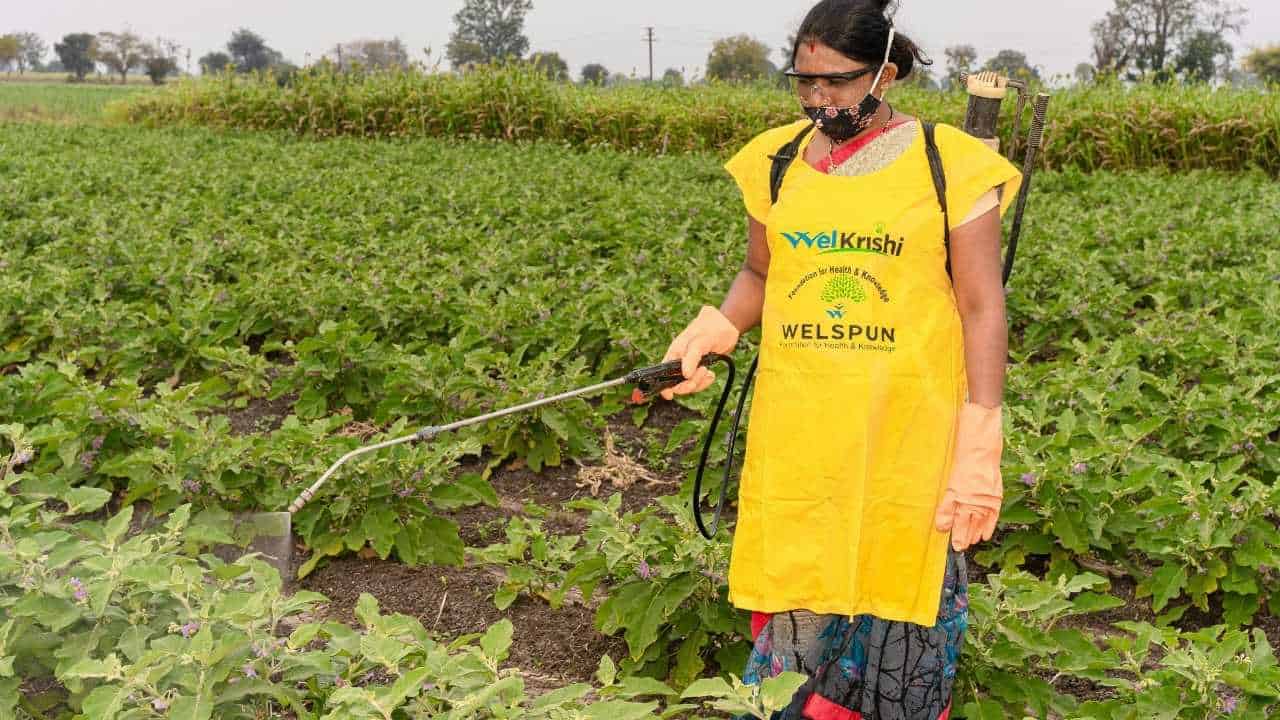
When you spray pesticides without protective gear, you increase the chance of harmful chemicals touching your skin or being inhaled. Always wear long sleeves, pants, socks, and closed shoes to reduce exposure.
Using rubber gloves is important, especially when handling concentrates. Treat your clothing as contaminated and wash it separately after use to stay safe.
Applying herbicides too close to sensitive plants like carrots or lettuce causing damage

When you apply herbicides near sensitive plants like carrots or lettuce, even small amounts can harm them. These plants absorb chemicals easily, which can stunt growth or cause yellowing leaves.
Be careful with drift or leftover herbicides in the soil, as they can damage your vegetables. Always keep a safe distance and follow label instructions to protect your garden.
Ignoring pesticide drift from neighboring properties leading to unexpected garden harm

You might not realize your garden is being affected by pesticides used nearby. Drift can carry chemicals from your neighbor’s property onto your plants without warning.
Damage often shows up days or even weeks later, making it hard to connect the cause. Watching for signs early can help you address the problem before it worsens.
Planting crops too densely, which encourages fungal diseases despite pesticide use

When you plant crops too close together, air circulation decreases. This creates moist, damp conditions where fungal diseases thrive.
Even if you use pesticides, crowded plants increase the risk of infections spreading quickly. Giving your crops enough space helps reduce this problem naturally.
Proper spacing makes it easier for leaves to dry and limits places where fungi can grow. This simple step improves the effectiveness of your pesticide efforts.
Failing to rotate pesticides causing resistant pest populations

When you use the same pesticide repeatedly, pests can develop resistance. This means the pesticide becomes less effective over time.
Rotating different types of pesticides helps prevent resistance. It keeps pests from adapting and protects your garden’s health.
By changing your pest control methods, you give yourself a better chance to manage pests without relying on stronger chemicals.
Using pesticide sprays during windy or rainy conditions reducing effectiveness

You should avoid spraying pesticides on windy days. Wind can carry the spray away from your plants, making it less effective and potentially harming nearby areas.
Rain can wash pesticides off your plants before they work. Applying sprays when the weather is calm and dry helps keep the pesticide where it needs to be.
Not reading and following the label instructions carefully
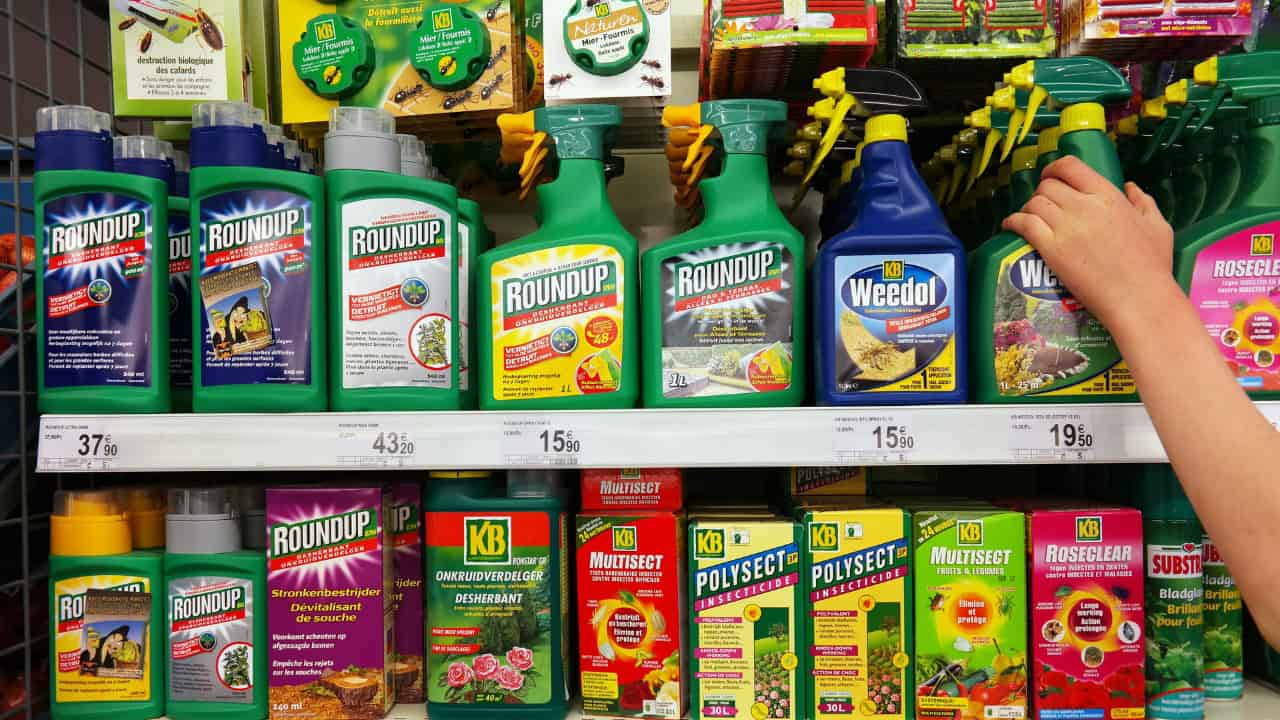
You need to read the pesticide label before using it. The label gives clear steps on how to apply the product safely and effectively.
Ignoring these instructions can lead to using the wrong concentration or applying it at the wrong time. This can harm your plants or even be unsafe for pets and people around.
Following the label helps you avoid accidents and ensures your garden stays healthy.
Mixing different pesticides without checking for chemical compatibility

When you mix pesticides without testing their compatibility, you risk chemical reactions that reduce their effectiveness. These reactions can also damage your plants or your spray equipment.
Before combining products, try a simple jar test to see if they mix well together. This step helps avoid wasted pesticides and keeps your garden healthy.
Applying pesticides unnecessarily instead of using natural pest control methods

You might reach for pesticides before trying natural options, but this can harm beneficial insects like ladybugs that help control pests. Using natural methods first keeps your garden balanced and healthy.
Consider simple steps like handpicking pests or introducing helpful insects. These approaches reduce chemical use and protect the environment around your garden.
Neglecting to encourage natural predators by killing off beneficial insects

When you use broad-spectrum pesticides, you often harm beneficial insects along with pests. These natural predators help keep harmful bugs under control in your garden.
Encouraging beneficial insects like ladybugs or predatory mites reduces the need for chemical sprays. Protecting them supports a balanced ecosystem and healthier plants.

As a mom of three busy boys, I know how chaotic life can get — but I’ve learned that it’s possible to create a beautiful, cozy home even with kids running around. That’s why I started Cultivated Comfort — to share practical tips, simple systems, and a little encouragement for parents like me who want to make their home feel warm, inviting, and effortlessly stylish. Whether it’s managing toy chaos, streamlining everyday routines, or finding little moments of calm, I’m here to help you simplify your space and create a sense of comfort.
But home is just part of the story. I’m also passionate about seeing the world and creating beautiful meals to share with the people I love. Through Cultivated Comfort, I share my journey of balancing motherhood with building a home that feels rich and peaceful — and finding joy in exploring new places and flavors along the way.