The past couple of years have seen a resurgence of the cottagecore aesthetic, a romanticized return to traditional skills and simple, rural living. Now, a new trend is challenging this idyllic vision: Chaos gardening, a method that embraces nature’s untamed beauty and unpredictability, is rapidly gaining traction among green thumbs.
As we all strive for ways to reconnect with nature and promote biodiversity, chaos gardening can offer a refreshing, sustainable take on traditional gardening. Let’s delve into this intriguing concept and learn how you can incorporate it into your own green space.
1. Understanding Chaos Gardening

Chaos gardening is based on the premise that nature knows best. Instead of meticulously planning and plotting your garden, you let nature take its course. This doesn’t mean you completely abandon your garden; instead, it’s about intervening less and observing more.
For instance, you might let a patch of dandelions bloom instead of rushing to weed them out. These dandelions could attract pollinators like bees or butterflies, contributing to local ecosystems. Similarly, fallen leaves could be left to decompose naturally, enriching the soil and providing habitat for beneficial insects. Chaos gardening is about embracing these unexpected surprises and recognizing their value in the larger ecological web.
2. Start Small

If the idea of chaos gardening sounds appealing but overwhelming, start small. Choose a corner of your garden or even a pot on your balcony and let it do its own thing.
You could sow a mix of wildflower seeds and let them self-seed in subsequent years, or plant a variety of herbs and see which ones thrive. Over time, you might notice certain plants doing especially well, or attracting particular insects or birds. This small-scale experiment can give you a taste of chaos gardening and its potential benefits, without the commitment of transforming your entire garden.
3. Encourage Native Plants

One of the key principles of chaos gardening is promoting biodiversity, and a great way to do this is by encouraging native plants. These plants have evolved to thrive in your local conditions and are often well-suited to the local fauna.
Visit your local nursery and ask about native plants suitable for your garden. Not only will these plants require less maintenance, but they’ll also attract local wildlife and contribute to biodiversity. You might be surprised by the variety of native plants available, from beautiful wildflowers to fascinating grasses and shrubs.
4. Let Weeds Grow

We’re conditioned to think of weeds as the enemy, but in chaos gardening, they’re a welcome part of the ecosystem. Weeds can provide food and habitat for insects, birds, and other animals, and can also improve soil health.
Next time you spot a dandelion or nettle in your garden, resist the urge to yank it out. Monitor it instead. You might find that it attracts bees or butterflies, or that its roots help to break up compacted soil. Remember, in chaos gardening, every plant has a role to play.
5. Create Habitats

Chaos gardening is about more than just plants – it’s about creating a diverse, thriving ecosystem. This means providing habitats for all sorts of creatures, from bugs to birds.
You could leave a pile of logs or rocks for insects to inhabit, or hang bird boxes or bat boxes. Even a simple bird bath can provide a valuable water source for local wildlife. By providing these habitats, you’re not just making your garden more interesting – you’re also contributing to local biodiversity.
6. Compost Your Waste
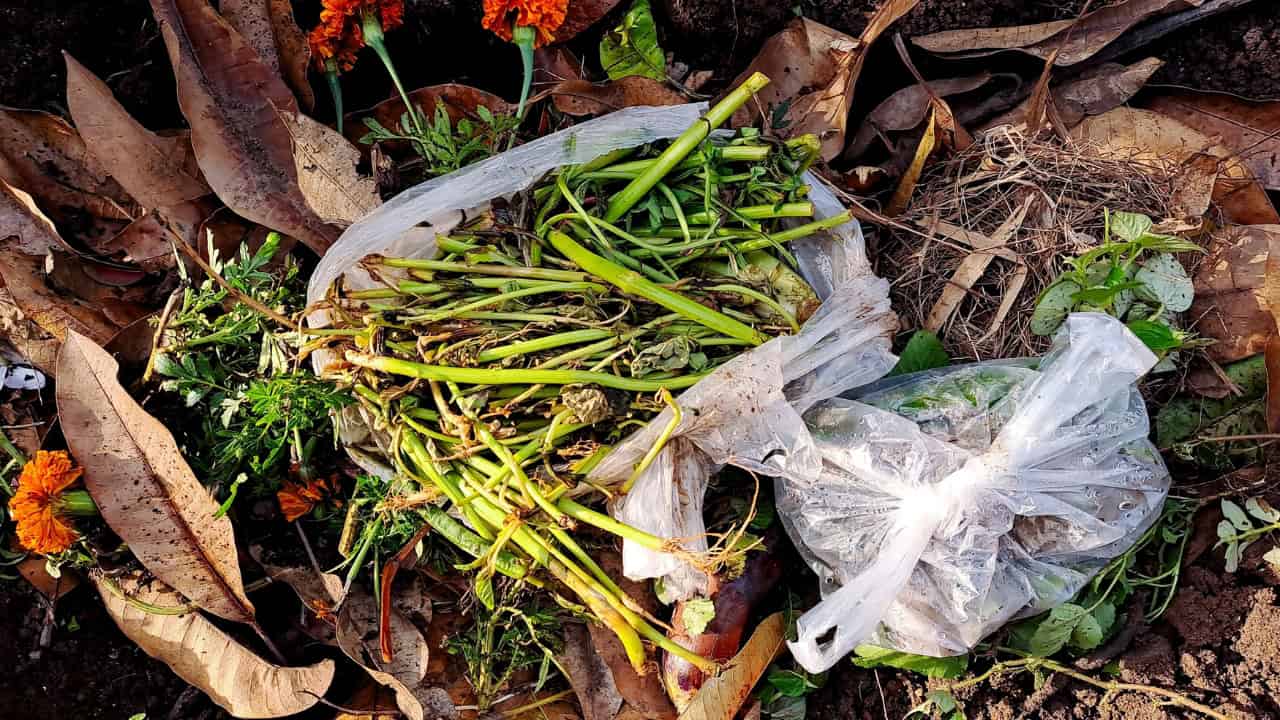
Composting is a perfect fit for chaos gardening. It recycles organic waste into nutrient-rich soil, reducing landfill waste and enriching your garden.
Start a compost pile with kitchen scraps like vegetable peels, coffee grounds, and eggshells, and yard waste like leaves and grass clippings. Over time, this will decompose into compost that you can use to nourish your plants. It’s a simple way to reduce waste and feed your garden naturally.
7. Embrace Imperfections

Chaos gardening is all about embracing nature’s unpredictability, and that includes imperfections. A chaotic garden isn’t perfectly manicured or weed-free – and that’s okay.
Instead of striving for perfection, enjoy the unique beauty of your garden. Savor the sight of a bird nest in your tree, or the buzz of bees around your flowers. Remember that every element of your garden, from the tallest tree to the tiniest insect, is a crucial part of the ecosystem.
8. Learn from Nature

Chaos gardening offers a wonderful opportunity to learn from nature. As you observe your garden, you’ll start to notice patterns and relationships that you might have missed before.
You might notice how certain plants thrive in certain conditions, or how certain insects are attracted to certain flowers. This knowledge can enrich your understanding of nature and deepen your appreciation for the complexity and beauty of the natural world.
9. Experiment and Adapt

Chaos gardening isn’t a set-and-forget method. It’s a dynamic process that requires observation, experimentation, and adaptation.
You might try planting a new type of plant, or creating a new habitat, and see how your garden responds. If something doesn’t work, that’s okay – it’s all part of the learning process. Remember, chaos gardening is about embracing change and unpredictability, so don’t be afraid to try new things.
10. Enjoy the Process
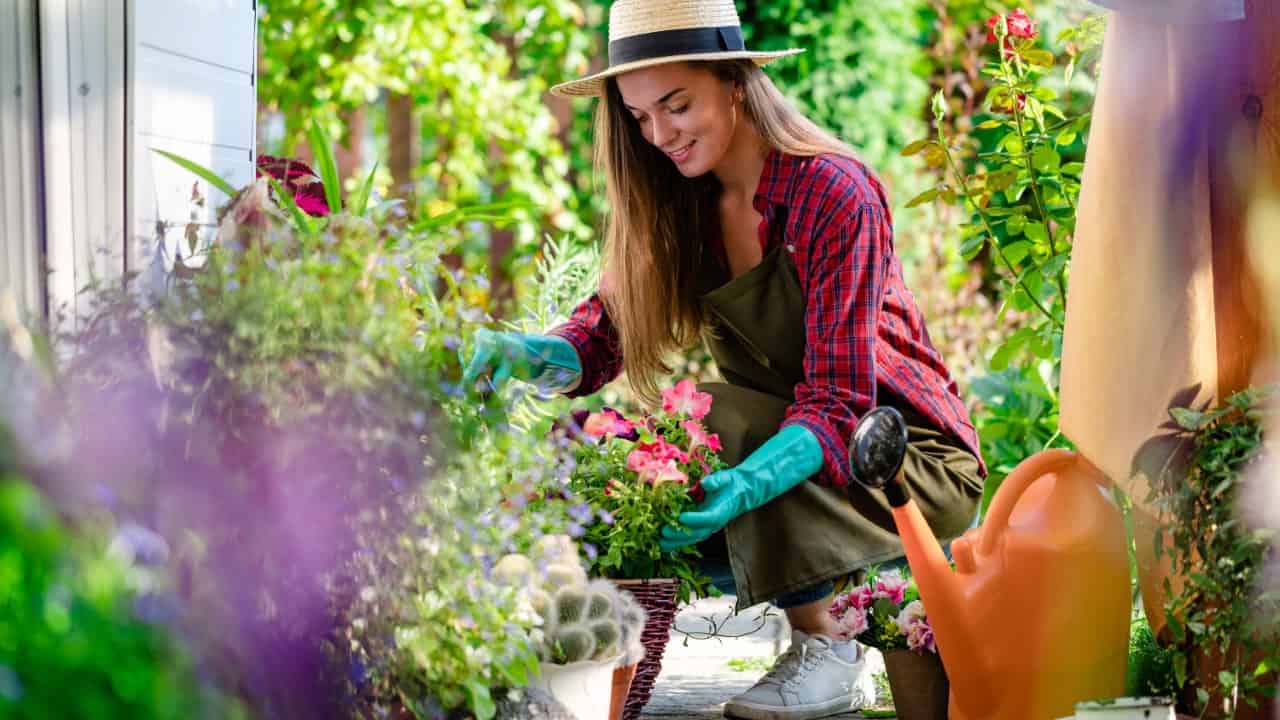
Finally, remember to enjoy the process. Chaos gardening isn’t just about the end result – it’s about the journey.
Take the time to savor the sights, sounds, and smells of your garden. Enjoy the satisfaction of seeing your plants thrive, or the thrill of spotting a new bird or bug. Chaos gardening is about reconnecting with nature and finding joy in its unpredictable beauty, so make sure to take the time to enjoy every moment.

As a mom of three busy boys, I know how chaotic life can get — but I’ve learned that it’s possible to create a beautiful, cozy home even with kids running around. That’s why I started Cultivated Comfort — to share practical tips, simple systems, and a little encouragement for parents like me who want to make their home feel warm, inviting, and effortlessly stylish. Whether it’s managing toy chaos, streamlining everyday routines, or finding little moments of calm, I’m here to help you simplify your space and create a sense of comfort.
But home is just part of the story. I’m also passionate about seeing the world and creating beautiful meals to share with the people I love. Through Cultivated Comfort, I share my journey of balancing motherhood with building a home that feels rich and peaceful — and finding joy in exploring new places and flavors along the way.