

Your soil is the literal foundation of your garden, and just like a house with a shaky foundation, a garden with poor soil is doomed to fail. Yet, many of us don’t think twice about the ground beneath our feet until it’s too late. Recognizing the early signs of soil degradation can prevent disaster and yield a more productive, healthier garden. This post will teach you how to spot these signs—before your soil reaches the point of no return.
1. Notice Changes in Plant Health

Poor soil quality can cause a variety of plant health issues. If your plants are wilting, losing leaves, or showing signs of nutrient deficiencies despite proper care, your soil may be to blame. These signs can include yellowing leaves (indicating a lack of nitrogen), purple or red leaves (signifying a phosphorus deficiency), or curling leaves (suggesting a potassium shortage).
For example, if your tomato plants are struggling despite regular watering and sunlight, consider testing your soil. The problem could be as simple as a pH imbalance, which can interfere with a plant’s ability to absorb nutrients from the soil. By testing your soil and making necessary amendments, you can restore your plants to health and prevent further degradation.
2. Look for Changes in Soil Structure

Healthy soil has a crumbly, spongy texture and is full of organic matter. If your soil has become compacted, hard, or clay-like, then it’s likely in need of some TLC. Compacted soil can prevent roots from growing and limit the movement of water and nutrients, leading to poor plant health.
There’s a simple test you can do to assess your soil’s structure. Take a handful of soil and squeeze it in your palm. If the soil forms a tight ball that doesn’t crumble when you poke it, your soil is likely too compacted. To fix this, consider adding organic matter like compost or well-rotted manure, which can improve soil structure and increase nutrient availability.
3. Spotting Soil Erosion

Soil erosion is a serious issue that can lead to a loss of valuable topsoil and nutrients. Signs of soil erosion include bare patches in your garden, soil splashed on your windows or walls after a rainstorm, or the formation of gullies or rills.
To combat soil erosion, consider implementing erosion control measures such as planting ground cover plants, installing terraces or retaining walls, or using mulch to protect the soil surface. Not only will these measures preserve your soil, but they can also enhance the beauty and biodiversity of your garden.
4. Inspect Soil Color
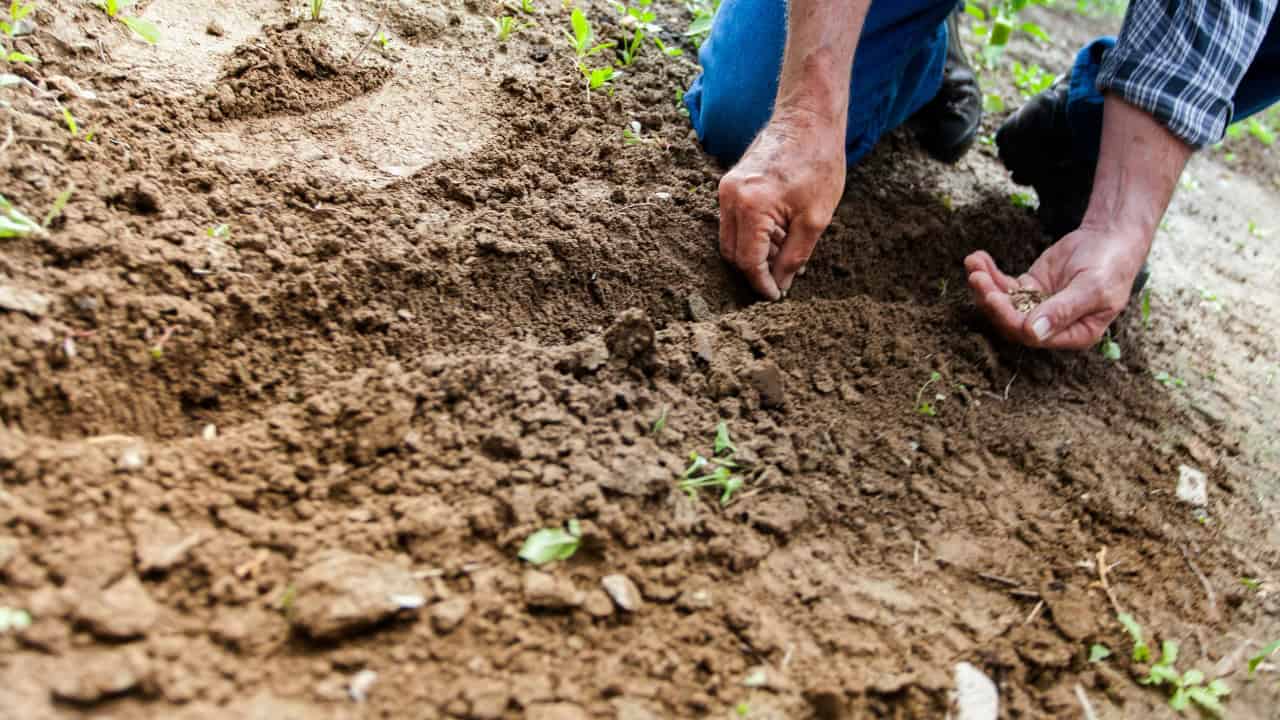
The color of your soil can provide important clues about its health. Generally, dark soil indicates a high organic matter content, which is good for plant growth. On the other hand, soil that is gray or pale could be lacking in nutrients or suffering from poor drainage.
For instance, if your garden soil is a pale, grayish color, it might be waterlogged and lacking in oxygen, which is essential for plant roots and beneficial soil organisms. To remediate this, consider improving your garden’s drainage by adding coarse sand or gravel, or creating raised beds to lift the soil above water level.
5. Smell Your Soil

Healthy soil has a sweet, earthy smell, thanks to the millions of beneficial microbes that reside there. If your soil smells sour or rotten, it could indicate a problem such as poor drainage, overwatering, or a lack of oxygen.
If your soil has a bad smell, try adjusting your watering habits or improving drainage. Alternatively, you can introduce organic matter to stimulate microbial activity and gradually improve the soil’s smell and health.
6. Notice Presence of Soil Pests

Soil pests such as grubs, nematodes, or cutworms can damage plant roots and hinder growth. If you’re noticing poor plant health along with visible signs of pests, your soil might be the problem.
There are various ways to control soil pests, from using organic pesticides to encouraging beneficial insects and birds that prey on these pests. Healthy soil also tends to have fewer pest problems, so improving your soil’s overall health can also help keep pests at bay.
7. Look for Weeds
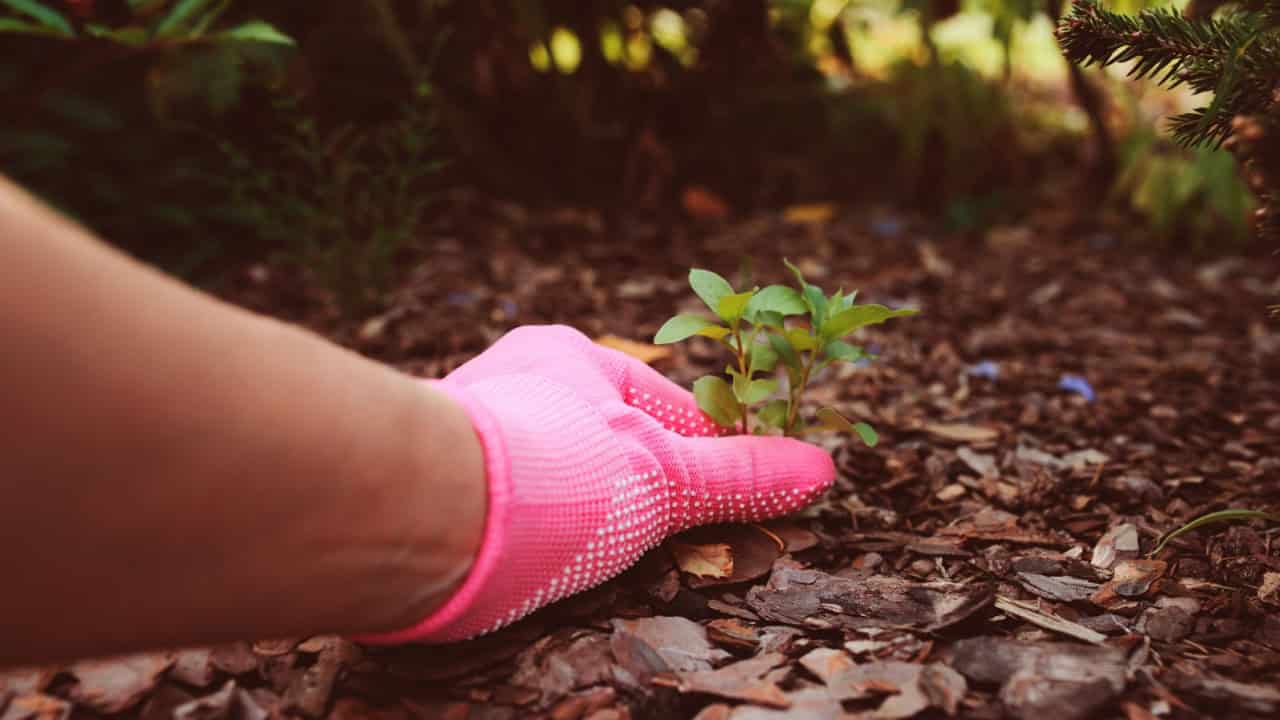
A sudden explosion of weeds in your garden can be a sign of soil imbalance. Some weeds, like dandelions and dock, are known to thrive in compacted soil. Others, like chickweed and lambs quarters, prefer nutrient-poor soil.
If you’re constantly battling weeds, consider getting your soil tested to understand what’s causing the weed problem. Once you know the cause, you can take action to improve your soil and make it less hospitable to weeds.
8. Check Soil pH

The pH level of your soil can greatly impact plant health. Most plants prefer slightly acidic to neutral soil (pH 6-7), but some plants like blueberries or azaleas prefer more acidic soil. If your plants are struggling and you’ve ruled out other issues, your soil’s pH could be to blame.
You can test your soil’s pH with a home testing kit or by sending a sample to a lab. If your soil is too acidic or alkaline, you can amend it with lime (to raise pH) or sulfur (to lower pH) to create a more favorable environment for your plants.
9. Notice Water Drainage

Proper water drainage is crucial for healthy soil. If water pools on the surface of your soil for a long time after a rain, or if your soil is constantly soggy, it could indicate a drainage problem.
There are many ways to improve soil drainage, from adding organic matter to adjusting your landscape or installing a drainage system. Remember, plants need both water and air to thrive, so getting your soil’s water balance right is key to a healthy garden.
10. Observe Soil Life

A healthy soil is teeming with life, from earthworms and insects to microscopic bacteria and fungi. These organisms play a crucial role in breaking down organic matter and making nutrients available to plants. If you dig into your soil and see very little life, it might be a sign that your soil needs help.
To encourage soil life, consider adding organic matter, reducing tillage, and avoiding synthetic pesticides that can harm beneficial organisms. With a little care and attention, you can create a thriving soil ecosystem that supports healthy, productive plants.

As a mom of three busy boys, I know how chaotic life can get — but I’ve learned that it’s possible to create a beautiful, cozy home even with kids running around. That’s why I started Cultivated Comfort — to share practical tips, simple systems, and a little encouragement for parents like me who want to make their home feel warm, inviting, and effortlessly stylish. Whether it’s managing toy chaos, streamlining everyday routines, or finding little moments of calm, I’m here to help you simplify your space and create a sense of comfort.
But home is just part of the story. I’m also passionate about seeing the world and creating beautiful meals to share with the people I love. Through Cultivated Comfort, I share my journey of balancing motherhood with building a home that feels rich and peaceful — and finding joy in exploring new places and flavors along the way.

