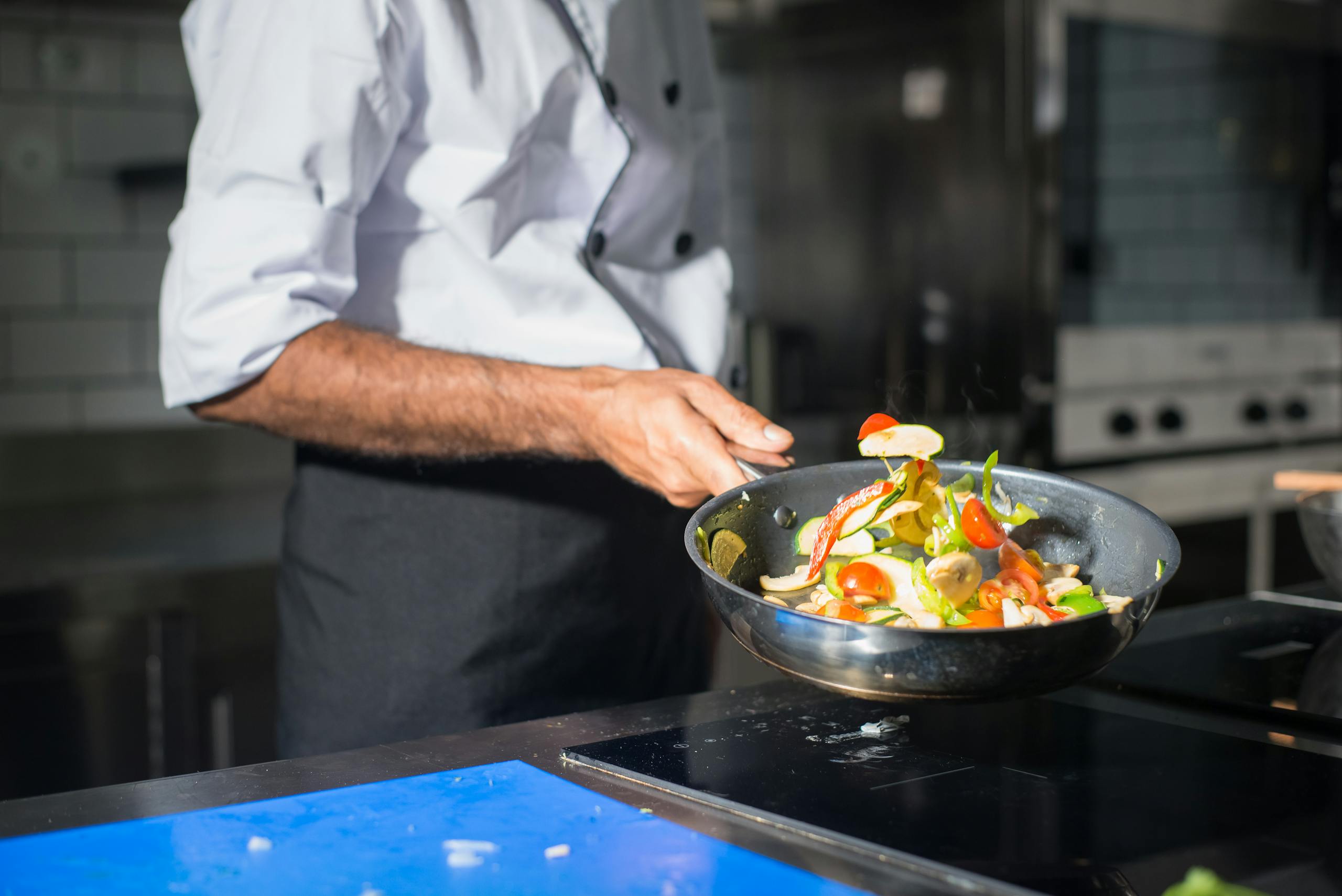
In the bustling world of restaurants, where the heat of the kitchen matches the intensity of the service, one line cook has taken to Reddit to voice a frustration that many in the industry share. The cook, who goes by the username /u/Dry_Set_6336, argues that the staffing issues faced by management should not be placed on the shoulders of the staff. He believes that workers should have the right to take real vacations without the fear of overburdening their colleagues or being denied time off.
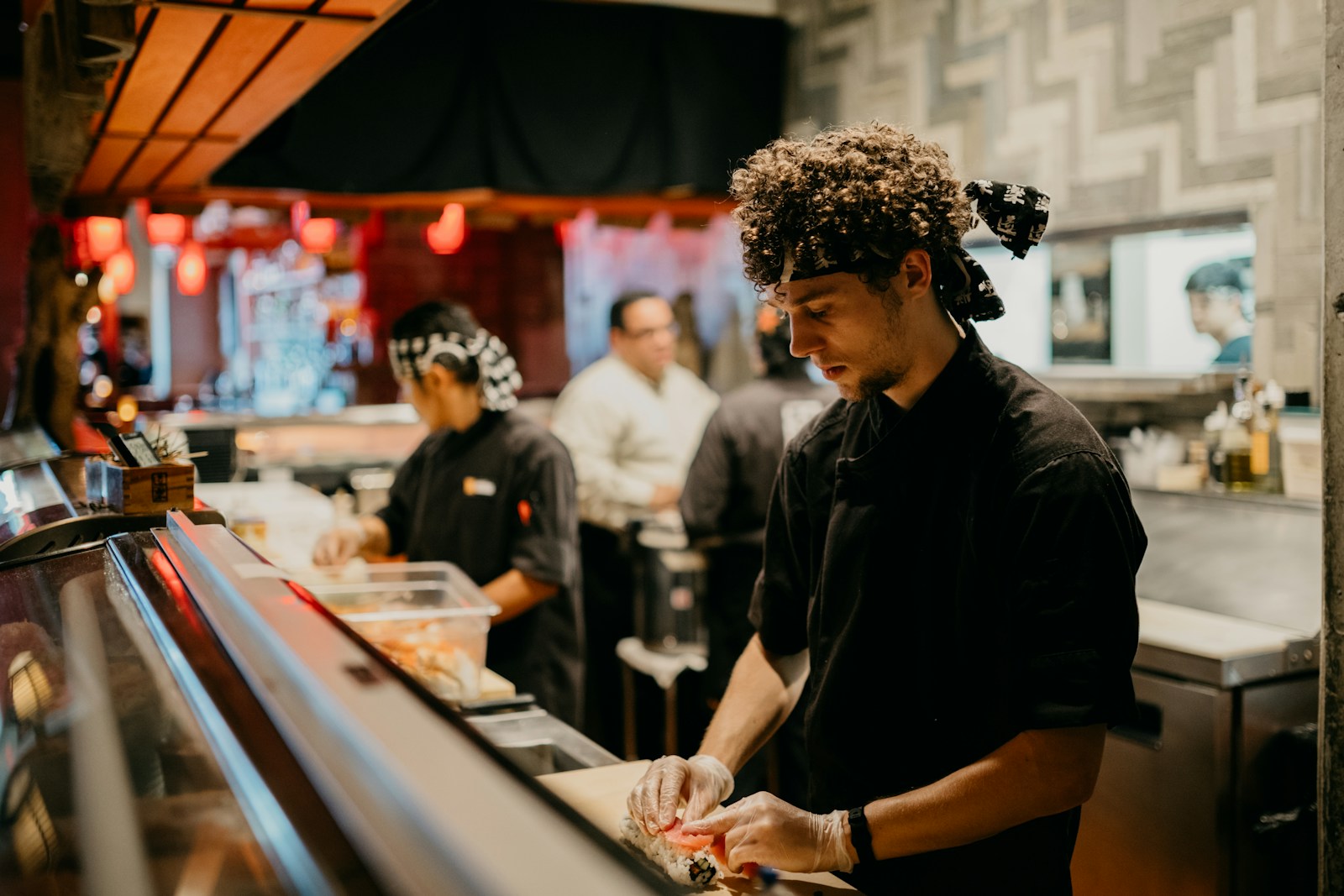
The post begins with a stark declaration: “No, I’ve just never managed a restaurant.” This sentiment resonates with many line cooks who, while passionate about their craft, feel detached from the pressures of management. For them, the priority is straightforward: make enough money to cover living expenses, enjoy a few drinks, and save up for the future.
The line cook’s perspective highlights a critical divide in the restaurant industry. While managers often focus on profit margins, staffing efficiencies, and customer satisfaction, line cooks are primarily concerned with the day-to-day grind of preparing dishes, serving customers, and ensuring the kitchen runs smoothly. “That being the case, do your job as a manager and figure out how staff can take vacations, even if, capitalism forbid, that vacation runs through a weekend,” he writes, pointing out the unrealistic expectations that many workers face.
This situation isn’t unique to just one restaurant; it reflects a broader trend in the hospitality industry where burnout is rampant. Long hours, high-stress environments, and a lack of sufficient staffing can take a toll on workers’ mental and physical health. Many employees feel compelled to sacrifice their own well-being for the sake of the business, often resulting in a vicious cycle of overwork and underappreciation.
The Reddit post has sparked lively discussions among readers, with many echoing the sentiment that vacation time should not be a luxury but a basic right for employees. In an industry known for its high turnover rates, allowing staff to take time off without guilt or fear could help improve morale and retain talent. After all, a rested worker is a more efficient and effective worker.
Moreover, the conversation around workers’ rights and benefits has been gaining traction beyond the kitchen. Across various industries, individuals are calling for better work-life balance, more comprehensive benefits, and job security. The pandemic has further highlighted the importance of mental health and the necessity for breaks, pushing employees to demand a more humane approach to work.
For many in the restaurant business, taking vacation time often comes with a sense of guilt. Line cooks worry about letting down their teammates, leaving them to pick up the slack during busy shifts. The pressure to be present and contribute to the team’s success can overshadow workers’ need for rest and recovery. This internal conflict can lead to resentment and burnout, ultimately undermining the very team spirit that restaurants rely on.
In his post, the line cook emphasizes that management needs to step up and create systems that allow for fair vacation policies. This could involve hiring additional staff, rotating schedules, or simply fostering an environment where taking time off is seen as a normal and healthy practice rather than an inconvenience. Addressing these staffing issues is essential not just for employee happiness, but for the long-term success of the establishment itself.
As the conversation continues to evolve, it is crucial for restaurant management to listen to the voices of their staff. By prioritizing workers’ needs and implementing better vacation policies, management can create a healthier workplace culture. Employees who feel valued and supported are more likely to remain loyal to their employers, contributing to a more stable and productive work environment.
In the end, the message from this line cook is one that resonates well beyond the kitchen. Acknowledging the challenges faced by workers, especially in high-pressure scenarios, can lead to improvements not just in employee satisfaction, but also in the overall quality of service provided to customers. As restaurants continue to navigate the complexities of staffing, it is clear that promoting a culture of support and understanding is essential for everyone involved.
More from Cultivated Comfort:
- 7 Vintage Home Items From the ’60s That Are Collectors’ Dream Finds
- 7 Vintage Home Goods That Became Collectors’ Gold
- 7 Fast-Food Chains That Changed for the Worse
- 7 Frozen Dinners That Were Better Back in the Day