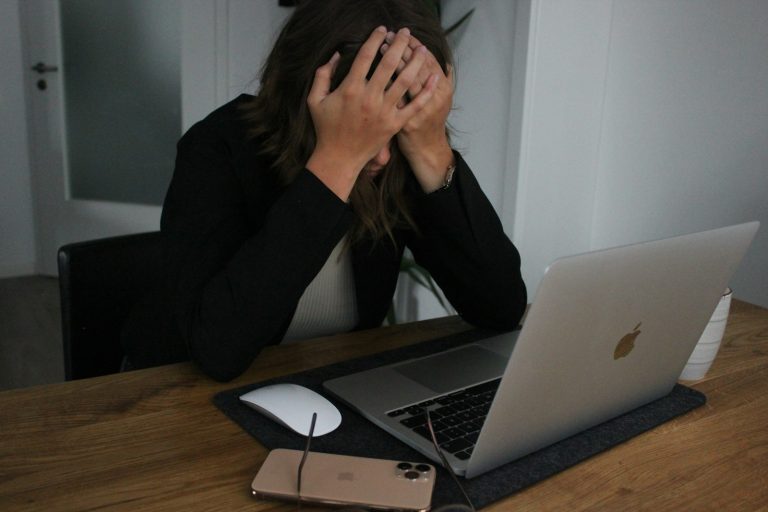
On an ordinary weeknight with takeout containers on the coffee table and a documentary queued up, 29-year-old “Maya” thought she and her longtime partner were settling in for the kind of quiet, easy evening that makes a home feel like a home. Instead, one offhand comment during a scene about sexual assault turned the room cold. “I realized the person I felt safest with might not understand my pain at all,” she told friends later, still surprised by how fast her body reacted—tight chest, buzzing ears, the sudden urge to disappear.
Maya isn’t sharing her real name, and she isn’t trying to “cancel” anyone, she says. She just wants to talk about what happens when the person you trust most says something that reveals a gap you didn’t know was there. The gap isn’t just political or philosophical—it’s personal, and it can feel like the floor moving under your feet.
A comment that changed the temperature in the room
The documentary, Maya says, followed several assault survivors as they described reporting, being questioned, and dealing with the aftershocks years later. During one interview, the survivor mentioned being at a party and losing track of her drink for a moment. Maya’s partner shook his head and said something like, “I mean… you can’t be that careless and expect nothing to happen.”
He didn’t yell. He didn’t sound angry. That might’ve been the scariest part: it came out casual, like a comment about leaving your car unlocked. Maya paused the TV and asked him what he meant, hoping she’d misheard.
“My stomach dropped, and I didn’t even know why at first”
Maya says she’s an assault survivor herself, something her partner knows. They’ve talked about it in broad strokes, in the way couples sometimes do when one person is trying not to make the other feel burdened, and the other is trying not to ask the wrong question. “I thought we were on the same team,” she said. “I thought he got it, or at least got that he didn’t get it.”
So when he blamed the survivor on-screen, Maya didn’t just hear an opinion about a stranger. She heard an echo: if it happened to me, would he quietly file it under “preventable”? Would he look for what I did wrong before he looked at what someone did to me?
He insisted he was being “realistic”
According to Maya, her partner doubled down when she challenged him, framing it as common sense. He said he wasn’t blaming anyone, just pointing out that people need to be careful. He compared it to wearing a seatbelt—an analogy that landed like a brick.
“That’s when I felt myself shut down,” Maya said. “Because it wasn’t just the comment. It was how confidently he said it, like the survivor’s pain was an inconvenient detail.” She described the strange feeling of watching someone you love talk about a traumatic experience as if it were a bad decision with predictable consequences.
Why this kind of blame hits so hard
Experts who work with trauma survivors often point out that victim-blaming can sound like “advice,” but it functions like a verdict. It moves responsibility away from the perpetrator and onto the person who was harmed, even if it’s wrapped in concern. And because so many survivors already wrestle with self-blame—What if I hadn’t gone? What if I’d left earlier?—these comments can pour gasoline on a fire that’s been smoldering for years.
There’s also the safety piece, which is hard to explain until you feel it. Survivors tend to scan for cues about who’s safe to confide in, who will believe them, and who will interrogate them like a suspicious witness. When the “safe person” says something that sounds like the world’s most common bad take, it can trigger the same old fear: I’m on my own in this.
The quiet aftermath: “I didn’t sleep much that night”
Maya says the conversation ended with her partner frustrated and her feeling oddly numb. They went to bed without resolving it, and she stared at the ceiling doing that mental math so many people recognize: Was this a one-time blunder, or did I just see the real him? She told him she needed space, and he rolled over, convinced she was overreacting.
The next day, he sent a couple of texts that read like peace offerings—“Sorry you got upset” energy, minus the actual accountability. Maya didn’t want groveling. She wanted him to understand why the comment wasn’t a minor disagreement, but a crack in the foundation.
What supportive partners tend to do differently
People don’t have to be perfect to be safe. But survivors and therapists alike often say there’s a difference between ignorance you can work through and reflexive judgment that keeps reappearing. A supportive partner usually starts with curiosity: “I think I’m missing something—can you tell me how that landed for you?”
They also don’t treat empathy like a courtroom debate. You can talk about risk reduction without implying someone “should’ve known better,” and you can discuss safety without making the harmed person responsible for the harm. The baseline is simple: the person who chose to assault someone is the person at fault.
Can a relationship come back from a moment like this?
Maya says she hasn’t made any dramatic decisions yet, but she’s watching closely. She’s looking for behavior, not speeches: Does he read up on the topic? Does he ask questions without trying to win? Does he correct himself when similar conversations come up, or does he drift back to the same blame-by-default logic?
Repair is possible, counselors often note, when the person who caused harm can acknowledge impact, take responsibility, and change patterns over time. What usually doesn’t work is forcing the survivor to become a full-time educator while also managing the other person’s defensiveness. “I don’t want to audition for empathy,” Maya said. “I want it to be there.”
The bigger conversation many couples avoid
It’s easy to assume you and your partner share the same values until a documentary, a news story, or a comment from a friend drags those values into daylight. Sexual violence is one of those topics where people can carry unexamined assumptions for years, partly because the culture has fed them a steady diet of “why was she there?” and “why didn’t he fight back?” for as long as anyone can remember.
Maya says she wishes couples talked about these things earlier, not in an intense interrogation way, but in the same way you talk about money, family, or what you’d do in a crisis. “I thought love automatically meant understanding,” she said. “But love is a feeling. Understanding is a skill.”
Where Maya is now
Since that night, Maya has leaned on a close friend and scheduled an appointment with a therapist she trusts. She’s also started setting clearer boundaries about what conversations she’s willing to have when she doesn’t feel emotionally safe. “I’m not going to debate my own trauma with someone who’s treating it like a hypothetical,” she said.
As for her partner, she says she’s waiting to see whether he can meet her where she is—without minimizing, without “fixing,” without turning her pain into a lesson about being careful. The documentary ended hours ago, but the question it raised is still playing in her mind: when it matters most, will the person beside me choose compassion first?
More from Cultivated Comfort:
- 7 Vintage Home Items From the ’60s That Are Collectors’ Dream Finds
- 7 Vintage Home Goods That Became Collectors’ Gold
- 7 Fast-Food Chains That Changed for the Worse
- 7 Frozen Dinners That Were Better Back in the Day

As a mom of three busy boys, I know how chaotic life can get — but I’ve learned that it’s possible to create a beautiful, cozy home even with kids running around. That’s why I started Cultivated Comfort — to share practical tips, simple systems, and a little encouragement for parents like me who want to make their home feel warm, inviting, and effortlessly stylish. Whether it’s managing toy chaos, streamlining everyday routines, or finding little moments of calm, I’m here to help you simplify your space and create a sense of comfort.
But home is just part of the story. I’m also passionate about seeing the world and creating beautiful meals to share with the people I love. Through Cultivated Comfort, I share my journey of balancing motherhood with building a home that feels rich and peaceful — and finding joy in exploring new places and flavors along the way.