It started the way a lot of neighborhood conflicts do: not with a big blowup, but with a slow drip of annoyance that finally becomes impossible to ignore. One resident says their neighbor’s late-night music had been shaking walls well past quiet hours, night after night. After several polite requests to lower the volume, the situation didn’t improve—until it escalated in a way that felt less like a misunderstanding and more like a message.
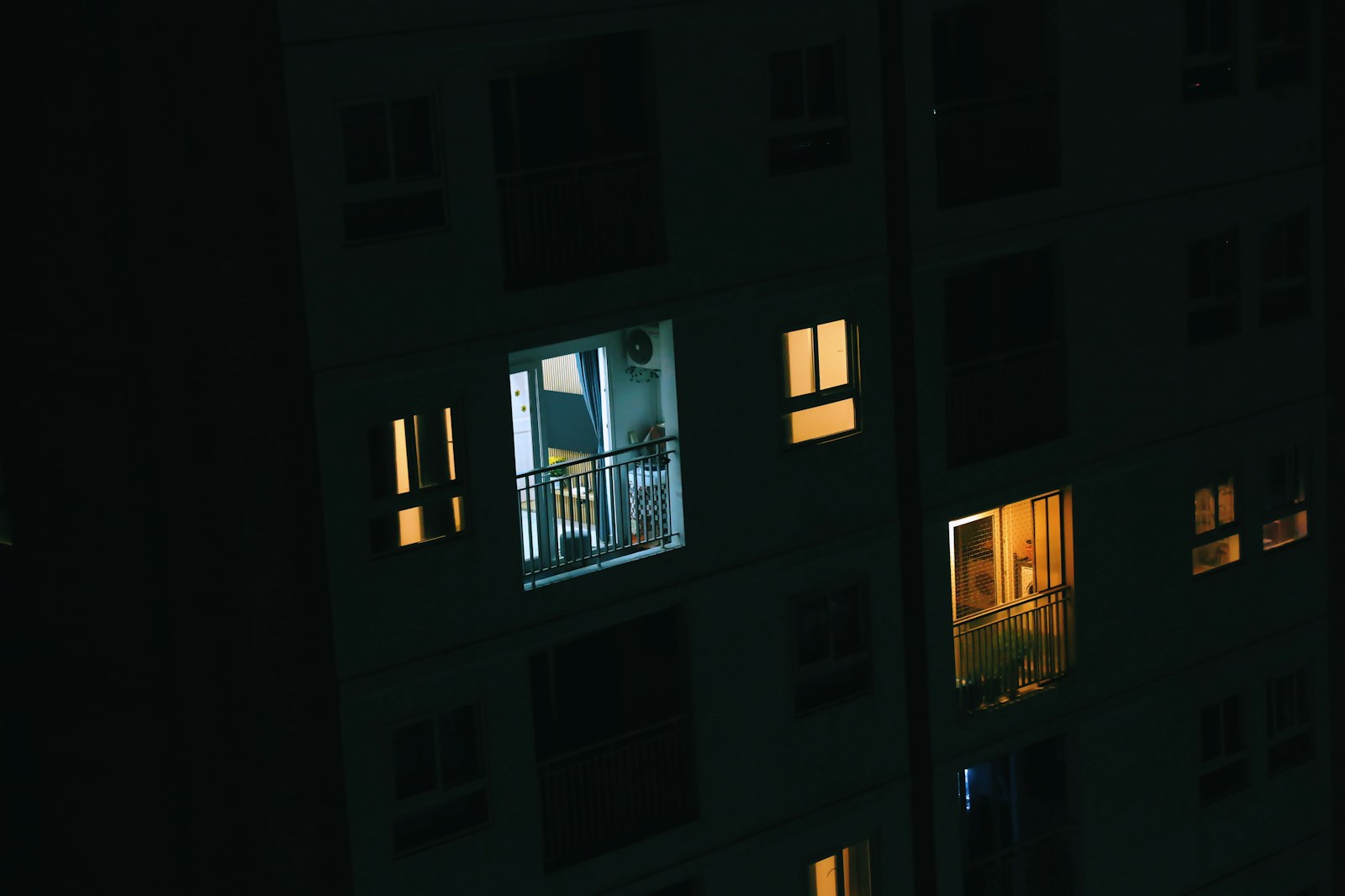
According to the homeowner, the neighbor installed outdoor speakers pointed directly at their house and blamed them for the whole thing. “You started this,” the neighbor allegedly said, framing the requests for quiet as an attack rather than a basic courtesy. The result is a classic modern standoff: one person asking for peace, the other responding with amplification—literally.
A Normal Request Turns Into a Personal Feud
The homeowner describes trying the “nice first” route, the one everyone says you should do. They knocked on the door, they kept their tone friendly, and they focused on the practical problem: the music was too loud too late. It wasn’t about taste or judgment, they say—just sleep, work the next day, and the ability to exist inside their own home without feeling like they’re at a club.
But instead of an apology and a small change, the homeowner says they got defensiveness. The neighbor treated the request like a complaint about his lifestyle, not his volume knob. And that’s where things can go sideways, because once someone decides they’re being “disrespected,” the conflict stops being about sound and starts being about pride.
The Escalation: Outdoor Speakers Aimed Like Floodlights
The turning point, the homeowner says, came when the neighbor installed outdoor speakers—noticeably positioned to face their property. Not just speakers in a backyard for a weekend barbecue, but a setup that felt intentional. The homeowner describes it as “a retaliation project,” the kind of move that takes planning, money, and time—meaning it wasn’t a spur-of-the-moment slip.
Then came the line that stuck: “You started this.” The homeowner says it was delivered like a verdict, as if asking for quiet after midnight was the original offense. If you’re wondering how requesting sleep becomes a declaration of war, you’re not alone. But anyone who’s lived near a grudge knows logic doesn’t always get invited to the party.
Why Noise Disputes Get Weirdly Emotional
Noise complaints are rarely just about decibels. They can poke at identity—how someone sees themselves as a neighbor, a homeowner, a person who “does what they want.” And for some folks, being asked to turn it down feels like being told what to do, even when it’s objectively reasonable.
There’s also the territorial side of it. Homes are supposed to be your safe zone, so when sound crosses property lines, it can feel intrusive in a uniquely aggravating way. Add sleep deprivation to the mix and suddenly you’re not having a calm conversation about boundaries—you’re having a debate while running on fumes.
The Quiet-Hours Question (And Why It Matters)
Most towns and cities have some version of a noise ordinance, and many HOAs do too. Quiet hours often start around 10 or 11 p.m., though the specifics vary. What’s “too loud” can be subjective, but repeated late-night music—especially bass-heavy sound—tends to be exactly what these rules were made for.
That’s part of what makes this story relatable: the homeowner wasn’t asking for silence forever. They were asking for normal, predictable quiet at night, the kind most neighbors assume is a given. The neighbor’s response, on the other hand, suggests the goal shifted from enjoying music to winning a feud.
What People in the Neighborhood Are Saying
In situations like this, other neighbors usually notice—if not the history, then at least the symptoms. Outdoor speakers aren’t exactly subtle, and late-night sound carries. The homeowner says they’ve started documenting when the music happens, how long it lasts, and how it affects them, partly because they suspect they’re not the only ones frustrated.
That matters because community patterns can clarify what’s going on. If multiple homes are impacted, it’s easier to frame the problem as a neighborhood disturbance rather than a personal squabble. And it becomes harder for the loud neighbor to argue it’s just one person being “sensitive.”
Common Advice: Document, Don’t Duel
People who’ve been through noise disputes often give the same advice: don’t escalate back. No counter-speakers, no revenge playlists, no creative uses of leaf blowers at sunrise. That stuff might feel satisfying for five minutes, but it tends to turn a solvable nuisance into a long-term war where everyone loses.
Instead, the practical playbook is boring but effective: keep a written log, record short clips from inside your home, and note dates and times. If you do talk again, do it calmly and preferably in writing afterward—like a polite text summarizing the request—so there’s a clear record of what was said. It’s not about being sneaky; it’s about protecting yourself if the situation drags on.
When Mediation Helps (And When It Doesn’t)
Some communities offer mediation through local councils, neighborhood associations, or dispute-resolution programs. In the best cases, a neutral third party can help both sides save face: one person gets quieter nights, the other doesn’t feel publicly “defeated.” It can turn “you vs. me” into “us vs. the problem,” which sounds corny but works surprisingly often.
But mediation requires a baseline level of cooperation. If someone’s installing speakers pointed at a neighbor’s house, that’s not exactly a “miscommunication” vibe. Still, for homeowners who’d rather avoid police calls or legal action, mediation can be a useful step to show they tried every reasonable option.
Where Enforcement Comes In
If the noise continues, enforcement usually means contacting non-emergency police or local code enforcement, depending on where you live. Many places will respond to ongoing after-hours noise, especially if it’s repeated and documented. The homeowner says they’re weighing that option, partly because it can inflame things and partly because they’d prefer not to bring authorities into a neighbor relationship.
At the same time, persistent retaliatory behavior can cross into harassment territory, especially if it’s targeted and sustained. Outdoor speakers aimed at one house can look less like “enjoying music” and more like “directing it.” And that distinction can matter if a formal complaint is filed.
The Real Stakes: Sleep, Safety, and Feeling at Home
It’s easy to joke about neighbor drama until you’re the one staring at the ceiling at 2 a.m., listening to someone else’s bass line thump through your walls. Sleep loss affects everything—work, mood, health, relationships. And when your home stops feeling peaceful, even small tasks start to feel heavier than they should.
The homeowner’s story isn’t just about music; it’s about boundaries and the weird ways people react to them. Most neighbors would hear “Hey, could you turn it down after 11?” and think, “Fair.” This neighbor, at least according to the account, heard, “Challenge accepted.”
For now, the situation remains tense, with the homeowner focused on staying calm, keeping records, and looking for a path that restores quiet without lighting a bigger fuse. It’s not the kind of neighborhood spotlight anyone wants. But if there’s a silver lining, it’s that these conflicts—annoying as they are—often have clearer solutions than the emotions around them suggest.
More from Cultivated Comfort:
- 7 Vintage Home Items From the ’60s That Are Collectors’ Dream Finds
- 7 Vintage Home Goods That Became Collectors’ Gold
- 7 Fast-Food Chains That Changed for the Worse
- 7 Frozen Dinners That Were Better Back in the Day

As a mom of three busy boys, I know how chaotic life can get — but I’ve learned that it’s possible to create a beautiful, cozy home even with kids running around. That’s why I started Cultivated Comfort — to share practical tips, simple systems, and a little encouragement for parents like me who want to make their home feel warm, inviting, and effortlessly stylish. Whether it’s managing toy chaos, streamlining everyday routines, or finding little moments of calm, I’m here to help you simplify your space and create a sense of comfort.
But home is just part of the story. I’m also passionate about seeing the world and creating beautiful meals to share with the people I love. Through Cultivated Comfort, I share my journey of balancing motherhood with building a home that feels rich and peaceful — and finding joy in exploring new places and flavors along the way.