If you have ever arrived at a vacation rental to find a long list of chores waiting for you before checkout, big news may be on the way. Travel creator @tallmomrunning says Airbnb has sent hosts a new list of rules for what they may ask of guests, and that the changes take effect November 20, 2026. Her caption puts it plainly: hosts will no longer be able to ask guests to do tasks such as stripping beds, cleaning dishes or sending copies of IDs and passports.
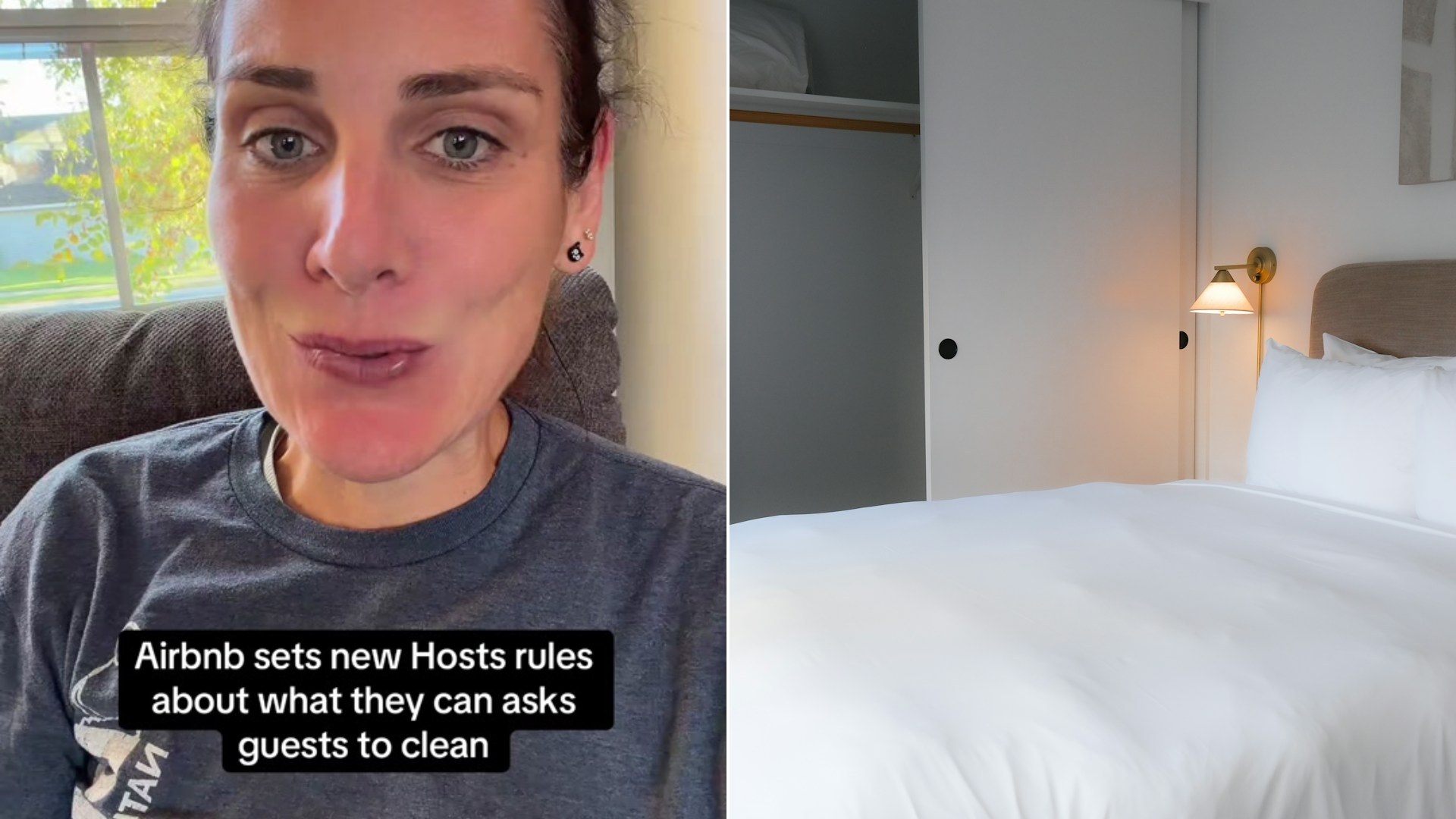
What follows is her summary of the rules, with some background on how Airbnb has handled checkout chores in the past. Since this is a creator’s description, hosts and guests should read the official notice in their Airbnb account for the exact wording.
@tallmomrunning
The new rules, as she describes them
She says the changes apply to what hosts can include in their house rules and take effect on November 20, 2026. Here is her list.
- No separate contracts or personal information. Hosts may not ask guests to sign separate contracts or to provide personal information, such as a government ID, except where required by law and in other limited circumstances.
- Reasonable house rules only. Hosts generally may not ask guests to complete tasks that take significant effort or time, or that would typically be handled by a cleaner. Her examples include stripping the bed, taking trash offsite, and washing and putting away dishes.
- No surprises after booking. Hosts may not communicate new house rules or requests in other sections of the listing page or after the booking is made, whether by message, by signs in the home or in person. The rules must be shown in the designated section of the listing page at the time of booking.
- Guests still need to follow the rules. She stresses that guests must follow the host’s house rules and are encouraged to comply with host requests.
- Two new settings. Hosts can set a maximum number of overnight guests and a “lock up at checkout” rule. Other checkout instructions can be added under requests.
- Some requests are fine. As long as they are reasonable under the new policy, hosts can still make requests. Her example is that guests should not be asked to wash and put away dishes, but a host can ask them to put used dishes in the sink.
Why she is cheering
The creator says she thinks the changes are “fantastic,” and she explains why with a story of her own. During one stay, the day before checkout, the hosts sent a list of things she had to do before leaving the property, or the guests would be fined. By her estimate, it was an hour of cleaning. “I don’t want to be doing that on vacation,” she says, and she argues that hosts should have to disclose everything they want guests to do before they ever book. She also wonders aloud why guests are asked to strip the beds in the first place.
That frustration is common. Many travelers have encountered checkout lists that read like a second job, and the surprise of a long list after booking can sour what should be a relaxing getaway. Hosts, on the other hand, often explain that they are trying to keep turnover costs down. Both sides have a point, which is why the question of when and how chores are disclosed keeps coming up.
Airbnb has been moving this way for a while
The new list builds on a trend. In 2023, Airbnb’s CEO announced changes to checkout expectations, and a Best Life report from May 2023 described them: checkout instructions would appear on the listing page so guests could see any chores before booking, guests could rate checkout tasks in the review flow starting May 3 of that year, and Airbnb said it would remove listings with repeatedly low checkout ratings. The story did not describe a specific change to cleaning fees. The upcoming rules, as the creator describes them, appear to go further by naming specific tasks hosts should not assign.
What guests can do right now
Until the new rules begin, and even after, a few habits can protect your vacation time.
- Read the house rules before you book. Scroll to the house rules and checkout instructions on the listing. If a long list of chores is posted, you can choose a different place.
- Save a copy. Take a screenshot of the rules at the time you book. If a host tries to add new requests later, you will have a record.
- Do the courtesy basics. Even under the new policy, simple gestures like putting used dishes in the sink, bagging your trash and turning off the lights are friendly and appreciated.
- Ask politely if something is unclear. If a rule seems unreasonable, message the host before booking, not after.
- Be careful with personal documents. If a host asks for a copy of your ID or passport, check the policy first and contact Airbnb support if you are unsure the request is allowed.
- Leave an honest review. Reviews are how listings with unreasonable chores get noticed.
And for hosts
If you host, the message from this list is to put everything in writing, in the right place, and keep it reasonable. Move any chore requests into the checkout section of the house rules before the effective date. Consider building the cost of a professional turnover into your nightly rate and cleaning fee, so you are not relying on guests to do the work. A well-written, short list of simple requests, such as locking up, closing windows and leaving towels in the tub, is likely to be well received and still gets you most of what you need.
Whether you are a guest tired of stripping beds or a host worried about laundry, this is a moment to double check the details. Airbnb’s own hosting resources are the place to confirm exactly what is changing and when.