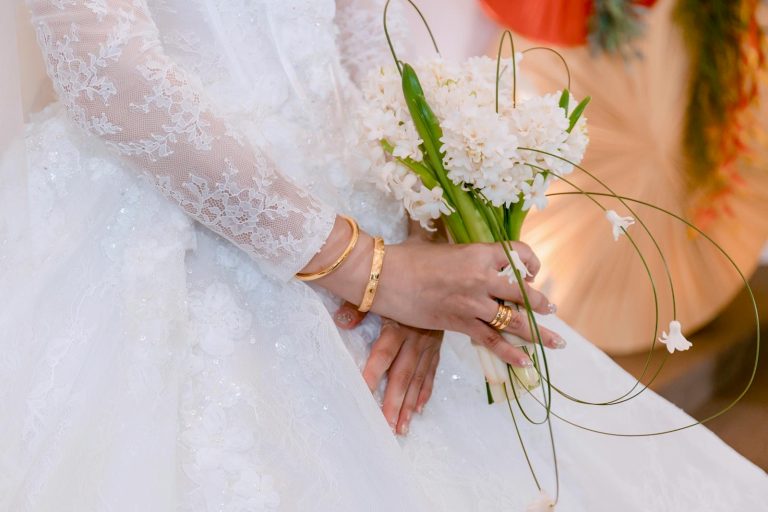
Americans are taking their time getting to the altar. New figures from the U.S. Census Bureau show the median age at first marriage is now 30.8 for men and 28.4 for women, up from 23.5 and 21.1 back in 1975.

That is a jump of more than seven years for both, in about fifty years. The numbers come from the Current Population Survey Annual Social and Economic Supplement for 2025 and 1975, and they say plenty about how home life has changed.
Men Now Wait Until 30.8, Women Until 28.4, Compared To 23.5 And 21.1 In 1975
In 1975, the typical man married at 23.5 and the typical woman at 21.1. Many people who are grandparents today walked down the aisle in their early twenties, often right after school or the service.
Fast forward to 2025 and the typical groom is 30.8 and the typical bride is 28.4. Careers, education, travel and money all tend to come first now.
For anyone who married young and wonders what the fuss is about, it helps to remember how different the starting line looks. Many young adults spend their twenties building a career, paying off school and saving before they take on a household together.
Living Alone Is Now Common, With One Person Households At 29 Percent
The bigger story may be who is sitting at the dinner table. One-person households made up 29 percent of all households in 2025, which is 39.7 million homes, up from 20 percent in 1975.
Married-couple households have slipped the other way. They were 66 percent of households in 1975 and are 47 percent today.
Families with children have shifted as well. In 1975, 54 percent of married-couple households had their own children under 18, and in 2025 it was about 37 percent. Looking at all families, 54 percent had their own children under 18 in 1975, compared with 39 percent in 2025.
Older Americans Are Heading Up A Bigger Share Of Homes
Householders age 65 and older now account for more than 1 in 4 households, up from 1 in 5 in 1975. That reflects longer lives, and many older adults are choosing to keep their own homes for as long as they can.
For many seniors, living alone brings independence, but it also brings new questions about companionship, safety and upkeep. A simple routine of calling a friend, joining a club or walking with a neighbor can make a big difference.
Many Young Adults Are Still Living At Home
The report counts 58 percent of adults ages 18 to 24 living in their parents’ home in 2025. Among adults ages 25 to 34, 16 percent are still in the family home.
That can be a sensible financial move, especially with rent and home prices where they are. It can also be a gift for parents who enjoy the company, when everyone agrees on the rules.
What Marrying Later Can Mean For Families
People who marry later often bring more life experience, more financial footing and a clearer idea of what they want. Many couples have already lived on their own, which means they know how to cook, pay bills and manage a home before they share one.
Marrying later also means that parents and grandparents may be helping in new ways. They might offer a down payment, a spare room, childcare or simply advice over coffee.
If you have an adult child who is in no rush, try to resist the urge to nudge. Asking about their plans with curiosity, rather than a deadline, tends to keep the conversation warm.
Tips For Living Well Whether You Live Alone Or Together
If you live alone, build a circle. Keep standing plans for meals, classes or volunteering so you always have something on the calendar, and make sure at least one person checks in with you regularly.
If you share a home with grown children or a spouse, talk openly about money, chores and privacy. A short family meeting once a month can head off the little annoyances that grow into big ones.
For couples who are planning to marry later in life, talk early about finances, health, family and how you will blend your routines. The timing may have changed since 1975, but the ingredients of a good marriage have not.
Why The Wedding Calendar Has Moved
Several things push the date back. More people finish college and graduate school before settling down, housing and childcare cost more than they used to, and many couples want to feel financially steady before they commit.
Culture has changed too. In 1975, marriage was often the first step into adult life, and today it is more often seen as a milestone that comes after a career and a home are underway.
For a generation raised with the old timeline, it can feel strange to hear about thirty-year-old newlyweds. But those couples often arrive with savings, jobs and plenty of life behind them, and that can make the first years steadier.
Smart Money Moves For Couples Of Any Age
Whether you marry at 23 or 33, talk about money before the wedding. Share your debts, savings and goals, and decide together how you will pay bills and save for a home.
Keep an emergency fund, and review your insurance and retirement accounts after the wedding. A short sit-down once a year keeps small surprises from growing.
The Big Picture
Half a century has reshaped the American household. People marry later, live alone more often, and have fewer children under the same roof, while more homes are led by someone 65 or older.
None of that makes the old way wrong or the new way better. It simply means families come in more shapes than ever, and the best advice is the oldest: show up for the people you love, whatever the address.
More Stories You May Like
- Cruiser Lands In Barcelona After A Flight From The Dominican Republic, Learns Her Transatlantic Cruise Was Cancelled, And Has No Return Flight Home After 30 Plus Cruises Without One Cancellation
- Mother In Law Bans The Wives From Thanksgiving, Then One Wife Says Why It Does Not Hurt Her, If You Can’t Invite Both Of Us You’re Gonna Miss Both Of Us
- Customer Walks Into The Store One Minute Before Closing, Says I Bet You Thought You Were Going Home, Then Refuses To Leave Until Her Phone Transfer Finishes