You tap through the payment screen, see a suggested tip, and assume the restaurant did the math fairly. One Applebee’s customer decided to check, and the numbers did not match what he expected.
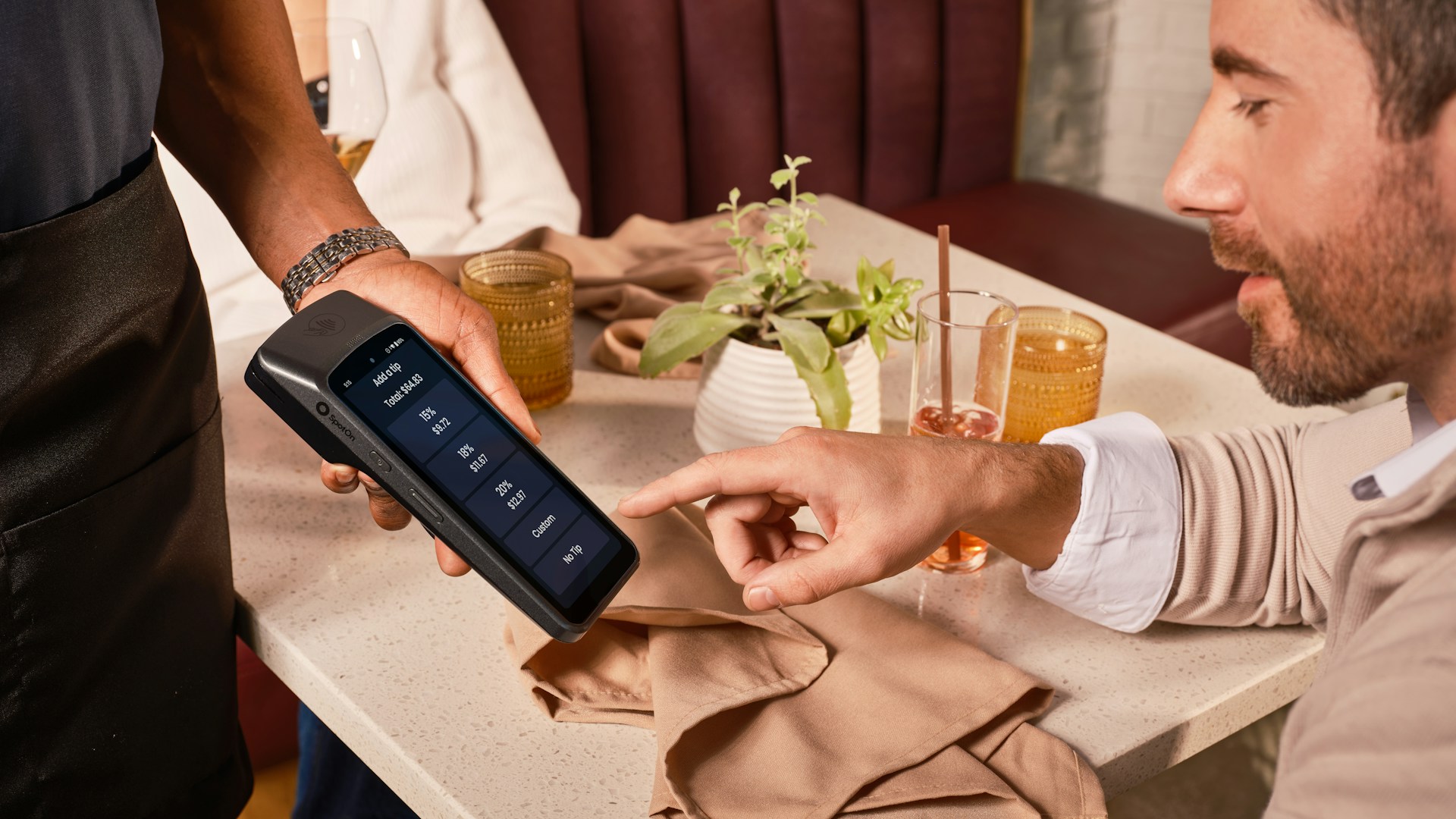
The story, reported by the New York Post, started with a TikTok video from a diner who questioned the tip suggestions on his bill.
An $11.30 Tip On A $49.49 Bill? The Math Did Not Add Up
The customer posted that the restaurant’s payment kiosk suggested an $11.30 tip. His bill, before tax, came to $49.49.
Do the quick math and a 20% tip on $49.49 is $9.90. The kiosk’s suggestion was about $1.40 higher than that, which is enough to make anyone squint at the screen.
So where did the extra come from? The apparent explanation is that the kiosk figured the tip on the after-tax total of $56.50 instead of the $49.49 subtotal. Take 20% of $56.50 and you land right on $11.30.
The gap between those two totals is the sales tax, roughly $7. In other words, the screen was suggesting a tip on the tax too.
It is a small difference on one meal, but it adds up across a year of family dinners. A dollar and change here and there is real money, especially for retirees watching a budget.
“Tips Are Calculated After Tax And Before Discounts”
According to the video, the payment screen did say how it was working. It indicated that tips were calculated after tax and before discounts.
That line is easy to miss when you are juggling a receipt, a card and a table of hungry family members. It is also the kind of fine print that decides whether your 20% is really 20% of your meal.
Fox News Digital reached out to Applebee’s and to the customer for comment, and the outlet also spoke with a restaurant owner to explain how these systems usually work.
A Restaurant Owner Explains: “The Restaurant Can Usually Change” The Setting
Robert Mahon, managing partner of New York City-based Mahon Hospitality Group, told Fox News Digital that restaurants generally have some control over how their payment systems calculate suggested tips.
“It varies from restaurant to restaurant,” he said. “The systems come with default settings, but the restaurant can usually change them. We use Toast, which defaults to calculating tips before tax, and there’s a setting in the back office to switch it.”
Mahon also shared his own view. He believes gratuities should be based on the pre-tax amount.
“You’re tipping for the food, drinks, and service — adding tax into that calculation doesn’t really make sense to me,” he said. “Guests can always leave more if they want.”
He stressed that transparency matters most. “The main thing is being clear. If someone hits 20%, they should know what they’re leaving 20% on,” he said.
That is a useful point for anyone who assumes the screen is neutral. The percentages on a tip prompt are a default, and defaults are chosen by whoever set up the system.
Servers do depend on tips, and nobody in this story suggests stiffing them. The question is only which number the percentage should be applied to, and whether the diner knows it.
It Is Not The First Time A Chain Has Faced This Question
Fox News Digital has covered a similar situation before. At Dave and Buster’s, customers questioned suggested tips that appeared to be calculated on after-tax totals.
In the Applebee’s case, the kiosk seems to have disclosed how it calculated its suggestions. Even so, the incident is a reminder to check what a suggested tip is based on before you pay.
Mahon summed up the habit worth building. “I’d want to see the full receipt before putting it all down to tax,” he said.
How To Tip Fairly Without Doing Algebra At The Table
The good news is that none of this takes much effort. A few quick habits can keep you in control of the number on the screen.
- Look for the subtotal, the line before tax is added. That is the amount many diners and restaurant owners, including Mahon, consider the fair base for a tip.
- Read the small print on the tip screen. Phrases like “after tax” or “before discounts” tell you exactly what the percentages are built on.
- Use the custom tip option. Most kiosks let you type a dollar amount, so you can leave exactly what you decided.
- Do the easy math yourself. Move the decimal point one place to find 10%, then double it for 20%. On a $49.49 bill that is about $4.95, then about $9.90.
- Think about discounts. If you used a coupon or a promotion, many diners tip on the original price, since the server did the same work either way.
Mahon’s point still holds: guests can always leave more if they want. The difference is who makes that call, and a quick glance at the screen keeps it in your hands.
A tip is a thank-you for good service, and you are the one who gets to decide how big it is. A few seconds of math before you tap is a small price for knowing your money went exactly where you meant it to go.
More Stories You May Like
- 8 Full-Sized Liquids Travelers Can Actually Bring Through Airport Security In 2026, Including Exemptions Many Passengers Never Hear About
- Wendy’s Drive Through Gets Her Order Wrong, Then Hands Over A Replacement Chicken Sandwich That Turns Out To Be Raw After She Is Already Eating It On The Interstate
- Traveler Forgets The Credit Card, Gets Turned Away At The Rental Counter Even With A Friend’s Card, And Turo Calls A Valid License Invalid, Until An Aunt Steps In