You touch down in Hawaii expecting keys, sand, and quiet—only to find your Airbnb reservation vanished and your group out thousands of dollars. You need to know what happened, how to protect your money, and what steps to take next.
They scramble to find last-minute lodging, wade through refund confusion, and wonder whether the listing was fake or the platform failed them. The article breaks down how these situations happen, what to check before you book, and practical moves to limit financial damage so your trip doesn’t unravel.
Arizona Travelers Lose Thousands on Failed Hawaii Airbnb Reservation
A group from Arizona flew to Hawaii expecting beachfront rooms but found their reservation did not exist. They scrambled for same-night lodging, paid higher rates, and spent extra on transport and food.
What Happened With the Arizona Travelers’ Airbnb Booking
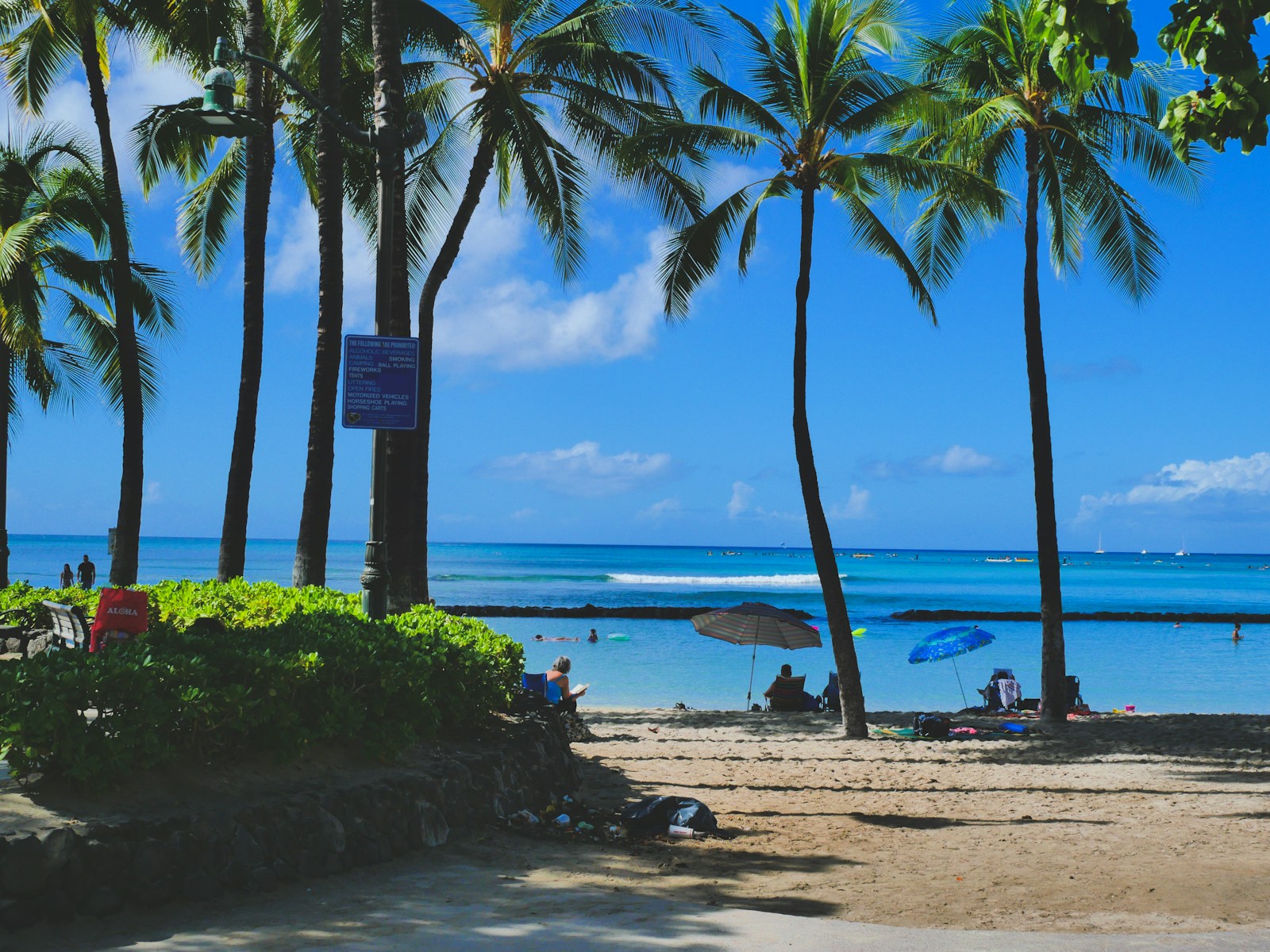
They booked private rooms listed as a resort stay in Kailua-Kona and arrived after a seven-hour flight to find the front desk could not locate any reservation. The property matched a timeshare hotel listing and, according to the group, should not have been on the platform. The guests learned at check-in that the listing was effectively fake, leaving them without the accommodations they had purchased.
They managed to find one last-minute Airbnb for the first night, then a smaller, more expensive unit for the rest of the trip. The substitute place lacked AC and was farther from the beach, forcing them to change plans and local travel arrangements. TikTok posts from one traveler documented the encounter and prompted others to comment on how common such listing problems can feel.
Financial Impact: Costs, Lost Money, and Attempts at Full Refund
The group initially paid for the fraudulent listing and then had to buy a replacement stay at a higher nightly rate. They reported thousands of dollars in extra expenses from booking replacement lodging and paying for repeated Ubers and DoorDash because their new location was inland and they hadn’t rented a car as planned.
Airbnb offered an initial partial refund of $358 before the group pushed for a full refund of the original booking. Airbnb’s AirCover policy aims to provide a “better or similar accommodation” or a full refund when hosts cancel or listings prove invalid, but it doesn’t cover travel-related costs like rides or meals. The travelers say their out-of-pocket transportation and food bills remain uncompensated.
Challenges Getting Help From Airbnb and Hosts
The travelers contacted Airbnb support and exchanged messages to secure refunds, but they encountered delays and a small initial offer. The front-desk staff at the hotel had no record of their reservation, which complicated the evidence chain needed to resolve the claim quickly. That voided the straightforward check-in resolution that might have happened if the property had been properly delisted.
Airbnb’s remediation process centers on finding alternate lodging or issuing a refund; reimbursement for incidental expenses typically falls outside AirCover’s scope. The group had to negotiate for a full refund while documenting the mismatch. Their situation highlights how time-sensitive issues—arriving late at night, limited local inventory near peak demand, and transport gaps at places like Kahului Airport or Kona—can magnify difficulty getting timely, complete support.
Broader Trend: Vacation Rental Booking Issues in Hawaii
Hawaii has seen multiple reports of questionable listings and last-minute cancellations, especially in high-demand areas on islands like Maui and Oahu. Visitors arriving through Kahului Airport or Kona often plan around beachfront properties; when those bookings fall through, finding similar replacements can be costly and limited by island inventory and interisland logistics.
Local stakeholders, including the Hawaii Tourism Authority, track visitor experience concerns because booking failures can affect reputation and costs across the islands. Platforms like Airbnb must police listings to prevent timeshare or hotel units from being mislisted as private rentals. Travelers now often verify listings thoroughly, prefer high-rated Superhosts, and consider backup plans—rentals with flexible cancellation, car rentals, or lodging near major transit hubs—to reduce disruption.
Relevant reporting on this incident appears in coverage of the travelers’ TikTok account and news write-ups documenting the scam-like listing and refund fight; one account of the episode is available at The Mary Sue’s report.
Why Hawaii Trips Go Wrong: Tourism Trends, Local Dynamics, and Booking Pitfalls
Trips to Hawaii can fail because of rising costs, local limits on services and space, and booking breakdowns that leave visitors stranded. Money, crowding, cultural rules, and weak booking practices all play clear roles in why arrivals sometimes end in lost time and money.
Skyrocketing Costs: Resort Fees, Hotel Rates, and Hidden Charges
Travelers increasingly see base rates that hide mandatory add-ons. Resort fees, parking charges, and cleaning fees can add hundreds to nightly costs at places like Sheraton Waikiki or Wailea resorts. A $300 nightly rate can become $350–$450 after taxes and fees.
Airbnb cleaning and service charges vary widely and are sometimes nonrefundable when a host cancels. Credit-card holds for incidental damage can also lock funds on arrival. Travelers who booked months earlier may find final prices higher when incidental fees and island taxes are applied at check-in.
Hefty cancellation penalties and nontransparent refund policies magnify risk. They particularly hurt families and multi-room bookings where totals are high. Always calculate the full out-the-door price, including taxes, resort fees, and any third‑party booking platform commissions.
Overcrowding, Mixed Messaging, and Visitor Arrivals Decline
Popular areas like Waikiki, Kaanapali, and Hanauma Bay face peak‑season congestion that strains services. Overcrowded parking, limited shuttle capacity, and packed trailheads make scheduled activities harder to enjoy. Locals often reroute commutes around tourist hot spots, creating everyday friction.
Public messaging sometimes conflicts: some state agencies promote travel while others impose kamaʻaina rates or caps to protect resources. That mixed signaling confuses visitors and can depress arrivals when negative coverage spreads. Reports of overall visitor declines and industry concerns about competitiveness reflect those tensions.
Overcrowding also affects operations. Destinations may restrict access to protect reefs and cultural sites, and that can leave same‑day visitors locked out of experiences they expected to have. When arrivals drop, businesses cut hours or staff, creating service gaps for remaining travelers.
Hawaii’s Evolving Relationship With Tourists
Hawaii is balancing economic dependence on tourism with protecting culture and resources. Native Hawaiian leaders and residents push back when sacred sites and practices become photo props. Tourists who treat heiau, hula, or freshwater sources lightly risk fines or community confrontation.
Local policies now emphasize environmental priorities: reef‑safe sunscreen rules at Hanauma Bay, protected monk seal buffers, and limits on sensitive trail access are more common. Some attractions offer kamaʻaina discounts and local‑only access times; those aim to preserve access for residents while still welcoming visitors.
Destination managers also experiment with visitor fees to fund conservation and housing relief. Those measures can increase visitor costs and shape who travels to Hawaii, affecting everything from airline demand to the mix of short‑term rentals in neighborhoods near Wailea or the North Shore.
Planning a Smoother Hawaii Experience: Tips on Booking and What to Avoid
Before booking, verify the full price and refund policy. Compare the advertised nightly rate plus resort fees and cleaning charges, and confirm cancellation and refund timelines. Screenshot receipts and reservation pages.
Use verified platforms and confirm host identity for short‑term rentals; contact properties 24–48 hours before arrival. For hotels, request written confirmation of inclusive amenities and any incidental holds. For large group stays, check local zoning rules—some neighborhoods restrict short‑term rentals.
Avoid last‑minute plans for high‑demand activities at Hanauma Bay or popular surf spots on the North Shore. Book guided tours and vehicle parking ahead. Bring reef‑safe sunscreen, respect kapu and posted rules, and plan alternate activities near Ko Olina or quieter parts of Maui if primary sites are full.
More from Cultivated Comfort:
- 7 Vintage Home Items From the ’60s That Are Collectors’ Dream Finds
- 7 Vintage Home Goods That Became Collectors’ Gold
- 7 Fast-Food Chains That Changed for the Worse
- 7 Frozen Dinners That Were Better Back in the Day

As a mom of three busy boys, I know how chaotic life can get — but I’ve learned that it’s possible to create a beautiful, cozy home even with kids running around. That’s why I started Cultivated Comfort — to share practical tips, simple systems, and a little encouragement for parents like me who want to make their home feel warm, inviting, and effortlessly stylish. Whether it’s managing toy chaos, streamlining everyday routines, or finding little moments of calm, I’m here to help you simplify your space and create a sense of comfort.
But home is just part of the story. I’m also passionate about seeing the world and creating beautiful meals to share with the people I love. Through Cultivated Comfort, I share my journey of balancing motherhood with building a home that feels rich and peaceful — and finding joy in exploring new places and flavors along the way.