A prospective cat adopter recently shared their dilemma on social media about feeling torn between staying loyal to one rescue shelter and seeking adoption opportunities elsewhere. After months of waiting without success, they admitted to feeling guilty about the possibility of moving on, as if they would be betraying the shelter where they first hoped to find their perfect feline companion.
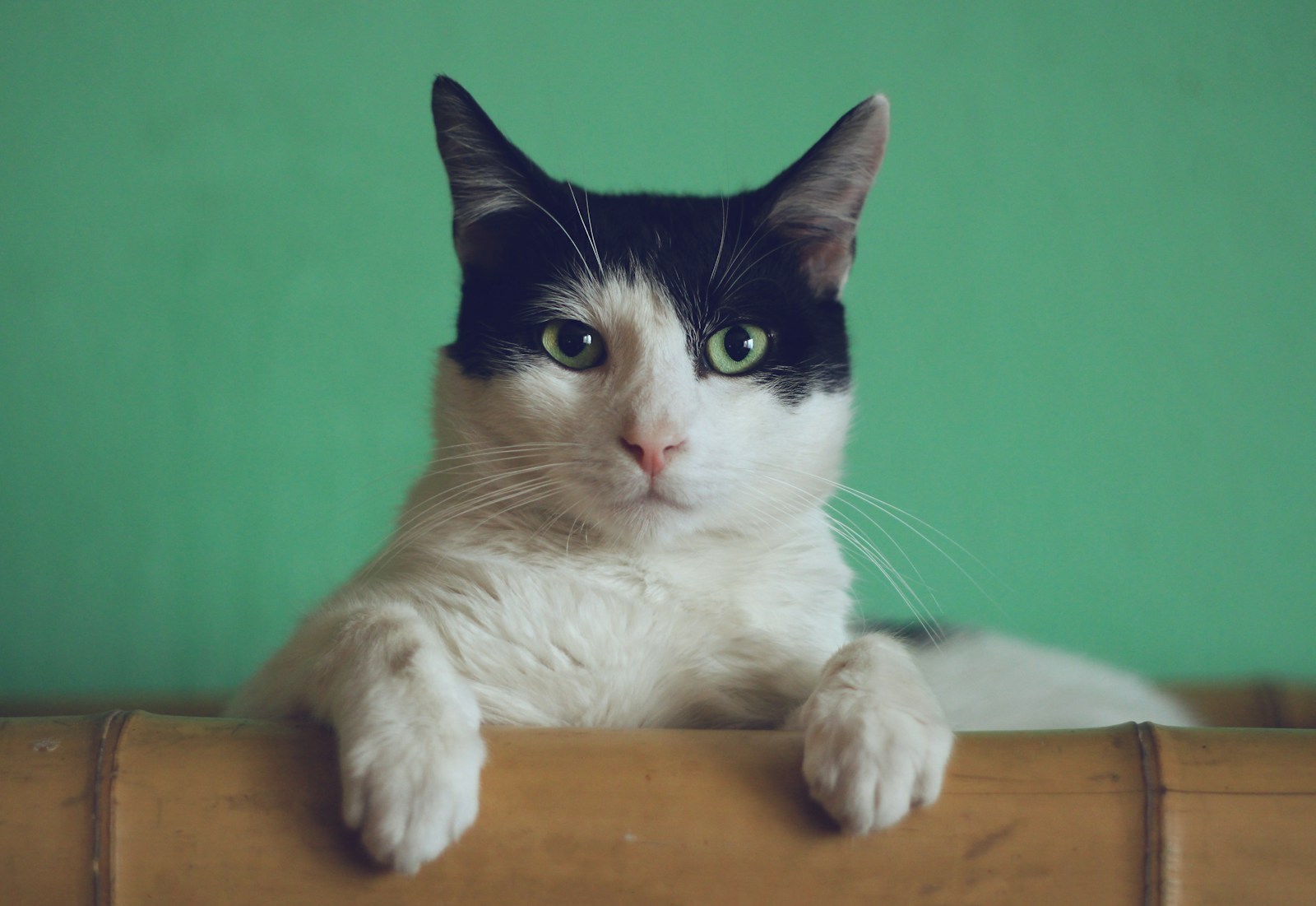
The adopter’s confession highlights an emotional struggle many animal lovers face when rescue organizations can’t match them with a pet despite their patience and commitment. While one cat remains unadopted at the original shelter, the potential owner wonders whether it’s acceptable to explore other options or if doing so would be disloyal to their initial choice.
This situation raises questions about the unspoken expectations between adopters and rescue organizations. The person’s hesitation reveals how deeply some people feel connected to specific shelters, even before completing an adoption, and the complex emotions that arise when the process doesn’t go as planned.
Struggling With Loyalty to a Cat Rescue Versus Moving On
The emotional weight of waiting months for adoption approval from one rescue while another has cats ready immediately creates a genuine dilemma for prospective adopters. This tension between loyalty and practicality raises questions about how long is too long to wait and whether exploring other options constitutes betrayal.
Emotional Impact of Waiting for Adoption Approval
Waiting months for a rescue to approve an adoption application takes a toll on hopeful cat owners. The excitement of finding a potential feline companion gradually shifts to frustration and disappointment as weeks turn into months without clear answers.
Many adopters form an emotional attachment to specific cats they’ve seen online or met briefly. This connection intensifies during the waiting period, making it harder to consider alternatives elsewhere.
The uncertainty itself becomes draining. Without regular updates or clear timelines, adopters struggle to plan their lives around a cat that may or may not become theirs. Some rescues acknowledge that bonding with a rescue cat isn’t always a fast or linear process, though this usually refers to post-adoption rather than pre-adoption waiting.
Reasons Behind Extended Adoption Wait Times
Rescue organizations face legitimate challenges that slow down adoptions. Limited volunteer staff means applications pile up faster than they can be processed. Thorough vetting procedures including home checks, reference calls, and multiple interviews protect cats but require significant time.
Some rescues operate with strict matching criteria. They may wait for what they consider the perfect home rather than approving good-enough situations. High application volumes for popular cats create backlogs that leave other applicants in limbo.
Seasonal fluctuations affect processing times too. Spring and summer kitten seasons overwhelm rescues with incoming animals while adoption applications simultaneously spike. Administrative delays, volunteer turnover, and coordination issues between foster homes and adoption coordinators add further complications to an already stretched system.
Feeling Guilt and Worry Over Switching Rescues
The guilt of considering another rescue feels real to many adopters who’ve invested time and emotional energy into their original application. They worry about seeming disloyal or flaky, especially after rescue volunteers have answered questions and provided information.
There’s also concern about burning bridges. Adopters fear that withdrawing an application might create negative feelings or hurt volunteers who genuinely care about placing cats. Some wonder if they’ll gain a bad reputation within the local rescue community.
The practical worry emerges too—what if the original rescue finally approves the application right after committing elsewhere? This timing anxiety keeps adopters stuck in place, unable to move forward with either option while both possibilities remain open.
Navigating the Decision: Staying Loyal or Trying a New Rescue
The adopter faces a dilemma that many prospective cat parents encounter: honoring their commitment to one rescue while questioning whether another organization might help them find their feline companion faster.
Evaluating Your Own Adoption Needs and Desires
The adopter had been waiting months with their first rescue without success. They started questioning whether their timeline and expectations aligned with what this particular organization could deliver.
Every rescue operates differently. Some have extensive waitlists, limited inventory, or specific matching processes that can stretch timelines beyond what prospective adopters anticipate. The adopter needed to assess whether their situation had changed or if their initial expectations were simply unrealistic.
They also had to consider what type of cat they truly wanted. Were they flexible on age, temperament, and special needs? Or did they have specific requirements that the first rescue couldn’t accommodate? These questions helped clarify whether the delay stemmed from the rescue’s limitations or their own criteria being too narrow.
The adopter’s lifestyle and living situation played a role too. If they had children, other pets, or specific housing restrictions, finding the right match naturally takes longer.
Balancing Personal Values With Finding Your Perfect Cat
The sense of betraying the first rescue weighed heavily on the adopter’s mind. They felt loyalty to the organization they’d initially contacted and worried about appearing uncommitted.
Many prospective adopters share this emotional struggle. They view their application as a promise rather than simply exploring options. This mindset can create unnecessary guilt when practical concerns arise.
The adopter had to recognize that rescues understand people sometimes work with multiple organizations. Most rescue workers want cats placed in good homes above all else. They don’t expect exclusivity from potential adopters, especially when timelines stretch beyond reasonable expectations.
The adopter also valued supporting rescue work and didn’t want their actions to seem disrespectful. But staying in an indefinite holding pattern didn’t benefit them or the rescue. Another family might be a better fit for the cats that eventually became available through the first organization.
Communicating With Rescues About Concerns
The adopter faced a choice about whether to inform the first rescue of their decision to explore other options. Transparency seemed respectful, but they worried about burning bridges or coming across as impatient.
Open communication typically works best. The adopter could explain their situation honestly—that they remained interested but needed to expand their search due to time constraints. Most rescue coordinators appreciate directness rather than ghosting.
They could ask the first rescue about realistic timelines and availability. Perhaps the organization had insights about when suitable cats might arrive. This conversation might reveal whether continuing to wait made sense or if moving on was the practical choice.
The adopter didn’t owe the rescue an explanation if they chose to apply elsewhere simultaneously. Many people work with multiple rescues at once. However, if they’d developed a relationship with volunteers or staff, a brief courtesy message acknowledging their expanded search maintained goodwill.
Moving Forward Without Regret
The adopter ultimately decided to apply with a second rescue while keeping their application active with the first. This approach maximized their chances without completely abandoning their initial commitment.
They recognized that finding the right cat mattered more than arbitrary loyalty to one organization. Bonding with a rescue cat takes time and depends on finding a compatible match, which sometimes requires casting a wider net.
The adopter planned to be upfront if both rescues identified potential matches simultaneously. They would make their decision based on which cat seemed like the best fit rather than which rescue contacted them first. This honesty prevented wasting anyone’s time or creating confusion.
They also accepted that whichever rescue they ultimately adopted from, the other organization would understand. Rescue workers see adopters come and go regularly. Their goal centers on placing cats successfully, not maintaining exclusive relationships with potential adopters.
More from Cultivated Comfort:
- 7 Vintage Home Items From the ’60s That Are Collectors’ Dream Finds
- 7 Vintage Home Goods That Became Collectors’ Gold
- 7 Fast-Food Chains That Changed for the Worse
- 7 Frozen Dinners That Were Better Back in the Day

As a mom of three busy boys, I know how chaotic life can get — but I’ve learned that it’s possible to create a beautiful, cozy home even with kids running around. That’s why I started Cultivated Comfort — to share practical tips, simple systems, and a little encouragement for parents like me who want to make their home feel warm, inviting, and effortlessly stylish. Whether it’s managing toy chaos, streamlining everyday routines, or finding little moments of calm, I’m here to help you simplify your space and create a sense of comfort.
But home is just part of the story. I’m also passionate about seeing the world and creating beautiful meals to share with the people I love. Through Cultivated Comfort, I share my journey of balancing motherhood with building a home that feels rich and peaceful — and finding joy in exploring new places and flavors along the way.