You see a viral clip and instinctively form an opinion — but what if that clip doesn’t tell the whole story? Social posts have circulated accusing a Bakersfield 911 dispatcher of rudeness, and the police department says the situation has been misrepresented online. The department released the full audio and pushed back on the viral version as incomplete, arguing context changes how the exchange appears.
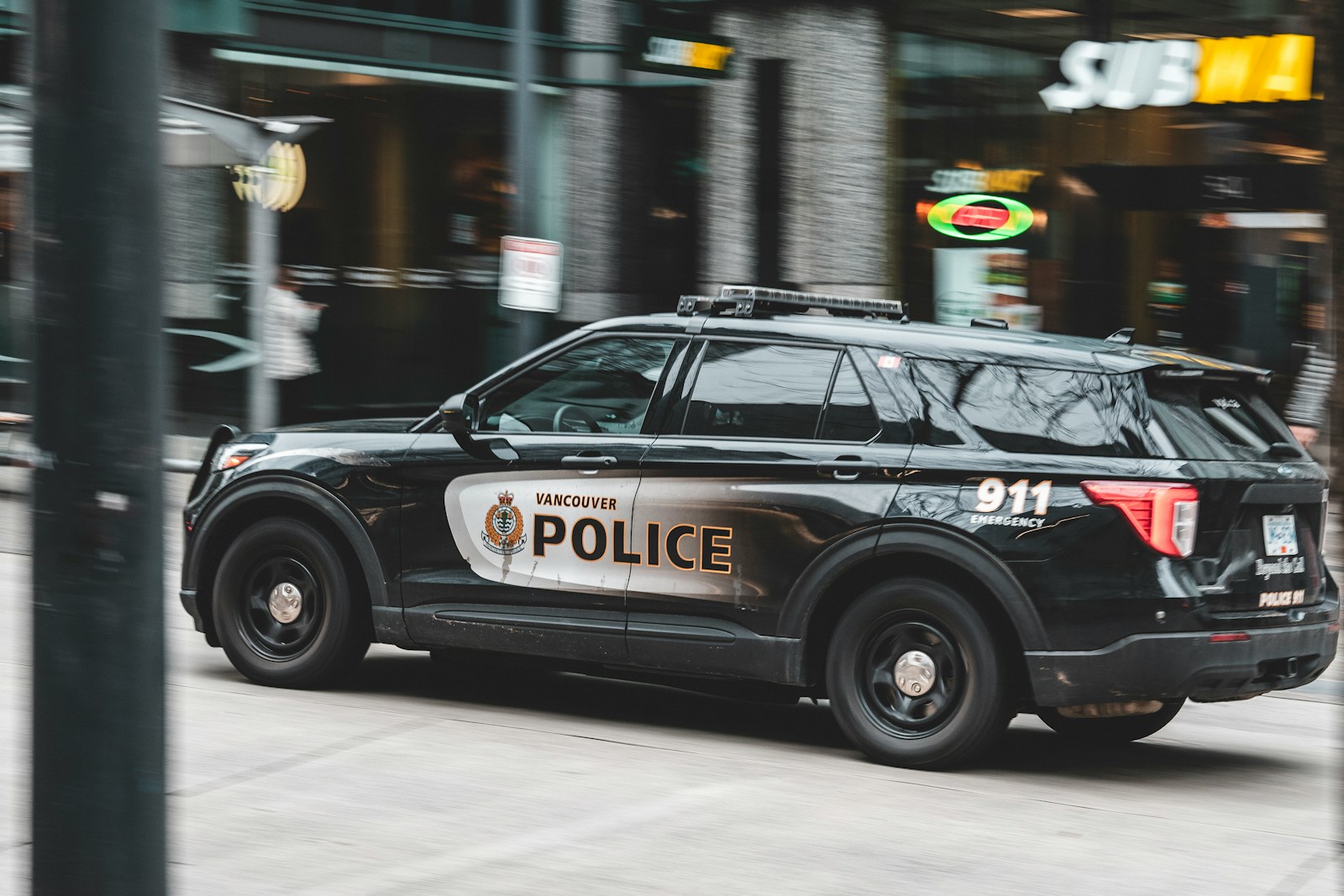
They’ll explore how short clips can skew perception and why the department felt compelled to publish unedited audio. Expect a look at the viral clip, the longer recording, and the mix of public reaction and official explanation that followed.
Breaking Down the Viral 911 Call Controversy
Community members say the clip shows a caller left feeling dismissed, while officials argue context and agency attribution are missing. The dispute centers on who answered, what exactly was said, and whether the interaction reflected dispatcher training or a one-off lapse.
How the Incident Unfolded
Multiple TikTok posts circulated audio and summaries of a 911 call that viewers say involved an alleged domestic violence call and a brusque dispatcher response. Posters claimed the same voice answered several unrelated calls, prompting users to name an individual and demand accountability.
Bakersfield Police Department told reporters the name being shared is not an employee of their department and noted multiple agencies operate 911 in the area, which complicates identification. News outlets contacted local agencies for clarification and reported that officials are reviewing complaints and asking the original poster to contact the department directly.
Eyewitness accounts and short clips on social platforms show fragments of calls, not full recordings. That fragmentation makes chronology and tone harder to judge and leaves out details such as caller tone, background noise, or dispatcher workload at the time.
Social Media’s Role in Escalating the Story
Short-form videos amplified the complaint quickly, with viewers re-sharing clips and adding commentary that framed the dispatcher as “rude.” The viral spread pushed the story beyond local emails and prompted press inquiries, increasing pressure on agencies to respond.
Algorithms favored emotionally charged posts, which led to repetitive claims and naming attempts before official verification. That environment made it easy for viewers to assume the incident involved Bakersfield Police specifically, even though officials clarified multiple 911 centers serve the area.
Local news teams reached out to officials and published updates confirming some circulated names did not match department rosters. Public reaction then split between calls for disciplinary action and requests for officials to examine training and call-handling protocols.
Common Themes in the Calls and Dispatcher Responses
A recurring theme in posted clips is a caller reporting an urgent domestic violence concern and feeling minimized by the dispatcher’s tone. Callers describe being told to wait or speak briefly, which they interpreted as dismissive during a domestic violence call.
Dispatchers in emergency centers often balance caller safety, verification, and resource allocation; clipped responses can reflect training to extract concise facts quickly. Still, victims and advocates argue that tone and empathy matter, especially on domestic violence calls where callers may be frightened or interrupted.
Officials emphasized that single clips don’t show the full exchange, while community members stressed the pattern of similar complaints across several posts. Media coverage highlighted both the need for accurate agency attribution and the importance of reviewing dispatcher training for handling domestic violence emergencies.
Police Response and Public Reactions
Police officials defended the dispatcher’s actions and noted that the full 911 recording and logs show a different sequence than the clip circulating online. They emphasized operational context, dispatcher workload, and steps taken after the call surfaced.
Cops Push Back Against Online Criticism
Law enforcement argued the viral clip omitted extenuating details such as call transfers, background noise, and officers already en route. A spokesperson said the dispatcher followed protocol for prioritizing simultaneous calls and provided critical information to first responders.
They highlighted that brief, clipped audio can misrepresent tone and intent, and urged the public to wait for the complete 911 recording and dispatch logs before judging staff performance.
- Department statement: dispatcher acted within policy.
- Evidence cited: CAD timestamps, unit locations, and full audio request.
- Action taken: internal review opened to confirm compliance.
Citizens remain upset, but police framed the issue as one of incomplete context rather than clear misconduct.
Stress and Training for 911 Dispatchers
Dispatchers work high-volume shifts with little margin for error, and the department stressed training standards and mental-health supports. They noted scenarios require quick question-and-dispatch sequences that can sound abrupt compared with conversational norms.
Supervisors said dispatchers receive regular simulations, refresher courses on caller handling, and stress-management resources to reduce burnout and errors.
Key training elements:
- Triage protocols and scripted prompts.
- Crisis communication and de-escalation techniques.
- Shift rotations and peer-support programs.
Officials acknowledged the need to review training effectiveness after viral incidents and promised targeted coaching if the internal review finds gaps.
Calls for Transparency and Formal Complaints
Community members demanded the release of the unedited 911 tape and the CAD report, and several filed formal complaints with the agency and civilian oversight board. The police department confirmed a records request and noted the legal process for releasing active-case materials.
Advocates pressed for independent review and clearer complaint-tracking updates so complainants can see outcomes. The department provided instructions for filing complaints, including online forms and a direct line to internal affairs.
What the public can do:
- Submit a written complaint via the department’s portal.
- Request the full 911 audio and CAD logs under public-records rules.
- Contact the civilian review board to request an independent investigation.
More from Cultivated Comfort:
- 7 Vintage Home Items From the ’60s That Are Collectors’ Dream Finds
- 7 Vintage Home Goods That Became Collectors’ Gold
- 7 Fast-Food Chains That Changed for the Worse
- 7 Frozen Dinners That Were Better Back in the Day

As a mom of three busy boys, I know how chaotic life can get — but I’ve learned that it’s possible to create a beautiful, cozy home even with kids running around. That’s why I started Cultivated Comfort — to share practical tips, simple systems, and a little encouragement for parents like me who want to make their home feel warm, inviting, and effortlessly stylish. Whether it’s managing toy chaos, streamlining everyday routines, or finding little moments of calm, I’m here to help you simplify your space and create a sense of comfort.
But home is just part of the story. I’m also passionate about seeing the world and creating beautiful meals to share with the people I love. Through Cultivated Comfort, I share my journey of balancing motherhood with building a home that feels rich and peaceful — and finding joy in exploring new places and flavors along the way.