Everybody loves a cruise bargain, and few bargains look better than a repositioning cruise. Ships that move from one part of the world to another often sell long voyages at bargain prices. A cruise insider named Gary says that is exactly where travelers get into trouble.
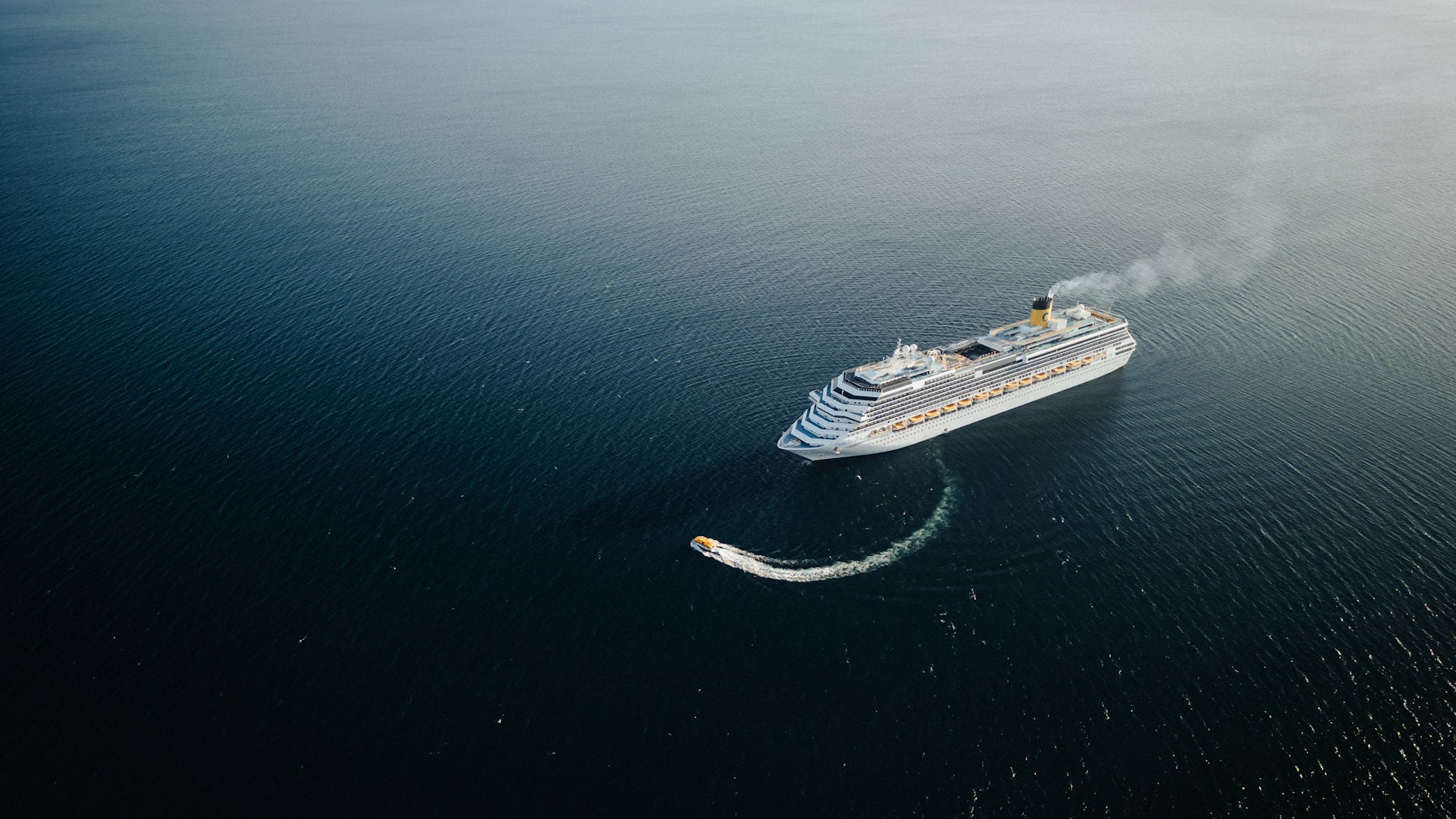
“A lot of cruisers think that repositioning cruises are all the same,” he says. “They find the lowest price and book it, but that could be a big mistake.”
Gary runs the YouTube channel Optimal Cruising, where he promises “cruise insider information” to help viewers “avoid mistakes, save money, and protect yourself.” Here is what he says to check before you click the book button.
The Flight Home “Could Be More Than The Cost Of The Entire Cruise”
This is the warning that gives his advice its bite. Gary says he used to get so excited about booking cruises that he did not think about flights until after the fact. He just wanted to lock in the cruise and the good price.
That, he says, “can actually kill a repositioning deal, because sometimes the flights can be so expensive, they could be more than the cost of the entire cruise.”
A repositioning cruise ends far from where it begins, so you cannot simply drive back to your car. You need a one-way flight home, and the price depends on the week and the route.
Check The Airfare Before You “Pull The Lever” On The Booking
His rule is easy to follow. Before you commit, look up the flights and see what you will pay. He says you can sometimes find great one-way fares, especially for repositioning cruises in November or February, when flights between Europe and the Americas or between Asia and the Americas run a bit cheaper.
The last thing you want, he says, is to book a cruise because of a great deal and then discover that the flight prices are double that week.
If you collect airline miles or carry a credit card that earns them, this is the moment to use them. Gary says that can lock in the cruise deal and get you the flight for free.
Seven Sea Days In A Row, And Not Every Cruise Is Like That
Gary says many people expect an endless string of days at sea, and for the most common type, the transatlantic crossing, there is truth to it. You can expect about seven sea days in a row, give or take a couple.
Some people adore that. If you love the idea of a week in the middle of the ocean, relaxing and using the ship’s amenities, it can be heaven. Others get restless.
For port lovers, there are other choices. Gary points to coastal cruises up and down the Pacific coast, Panama Canal trips with plenty to see, shorter voyages in Europe from the north down to the Mediterranean, and Asian routes among many islands, all with fewer sea days.
“You Lose An Hour” And Other Surprises Of Sailing One Direction
Direction matters too. On Gary’s first repositioning trip, from Miami to Barcelona, the ship lost an hour about every other day as it headed east. “You wake up and it’s an hour later,” he says.
He did not mind, since he was on vacation, but he says most cruisers tell him they prefer crossing from Europe to the United States, because then you gain an hour every couple of days. If you plan only one crossing, he suggests going east to west.
Weather is another factor. He says transatlantic cruises tend to head from the United States to Europe in the spring, running from February to May, and from Europe back to the United States in the fall. A late February sailing is likelier to be cool and stormy, while a May sailing offers warmer days and calmer seas.
Older Ships And A Different Vibe
Gary says ships doing these moves tend to be 10 to 20 years old. That does not mean they are bad, since many have been refurbished, but they are often smaller and do not have all the bells and whistles of the newest vessels.
The port you leave from and the cruise line you sail with also set the mood. He once took a repositioning trip from Rio de Janeiro to Barcelona where about 90% of passengers were Brazilians or Argentinians, and hardly anyone spoke English. He called it a different experience, and one that caught him off guard.
Major lines like Royal Caribbean, Norwegian, Carnival, Princess, Celebrity and Holland America deliver the party feel Americans know from the Caribbean. Lines based in Europe, like Costa or MSC, can feel different.
Make The Cruise Part Of A Bigger Vacation
One of Gary’s favorite tricks is to treat the ending port as a destination. He had never seen Rome until a repositioning cruise ended at Civitavecchia, the port that serves Rome, so he added four days to see the city before flying home.
Think about it, he says. A European vacation to Rome, Barcelona or London costs a lot, so if you are taking a repositioning cruise anyway, pick one that lands where you want to go. That, he says, makes the deal even better.
A Short Checklist Before You Book
Gary’s advice boils down to a few simple moves that can keep a bargain from becoming a headache.
- Search for cruises of 14 days or more, which is typically the range for most repositioning trips.
- Price the one-way flight home for your exact dates before you book.
- Decide whether you love or dislike sea days, and pick an itinerary to match.
- Choose the season with the weather you want.
- Expect a ship that is 10 to 20 years old, and plan for the vibe of the departure port.
He also says repositioning cruises are not for first time cruisers. A long trip with many sea days is a big commitment if you have never sailed, and he suggests trying a shorter cruise, such as a seven day Caribbean sailing, to find out if you like life on a ship.
His bottom line is that the cheapest sticker price is not always the best deal. Add up the cruise, the flight home and the days you want to spend, then decide.
More Stories You May Like
- Thanksgiving Flights Cost 39% More Than Last Year And Are The Priciest In 10 Years, Yet AAA Says Thanksgiving Day Itself Is The Quietest Day To Travel
- Woman Shows The $4 Chipotle Order She Has Gotten Since College, A Chicken Taco With Black Beans, Rice, Cheese And A Side Tortilla That Turns Into One Massive Taco
- Shopper Pays $3.48 At CVS For Nine Laundry And Personal Care Items That Would Have Cost $72.25, After Clearance Markdowns And Coupons