After 133 cruises, you might figure a traveler has every pitfall figured out. Gary Bembridge says the opposite can happen, because experience makes you think you know so much that you forget the most important step.
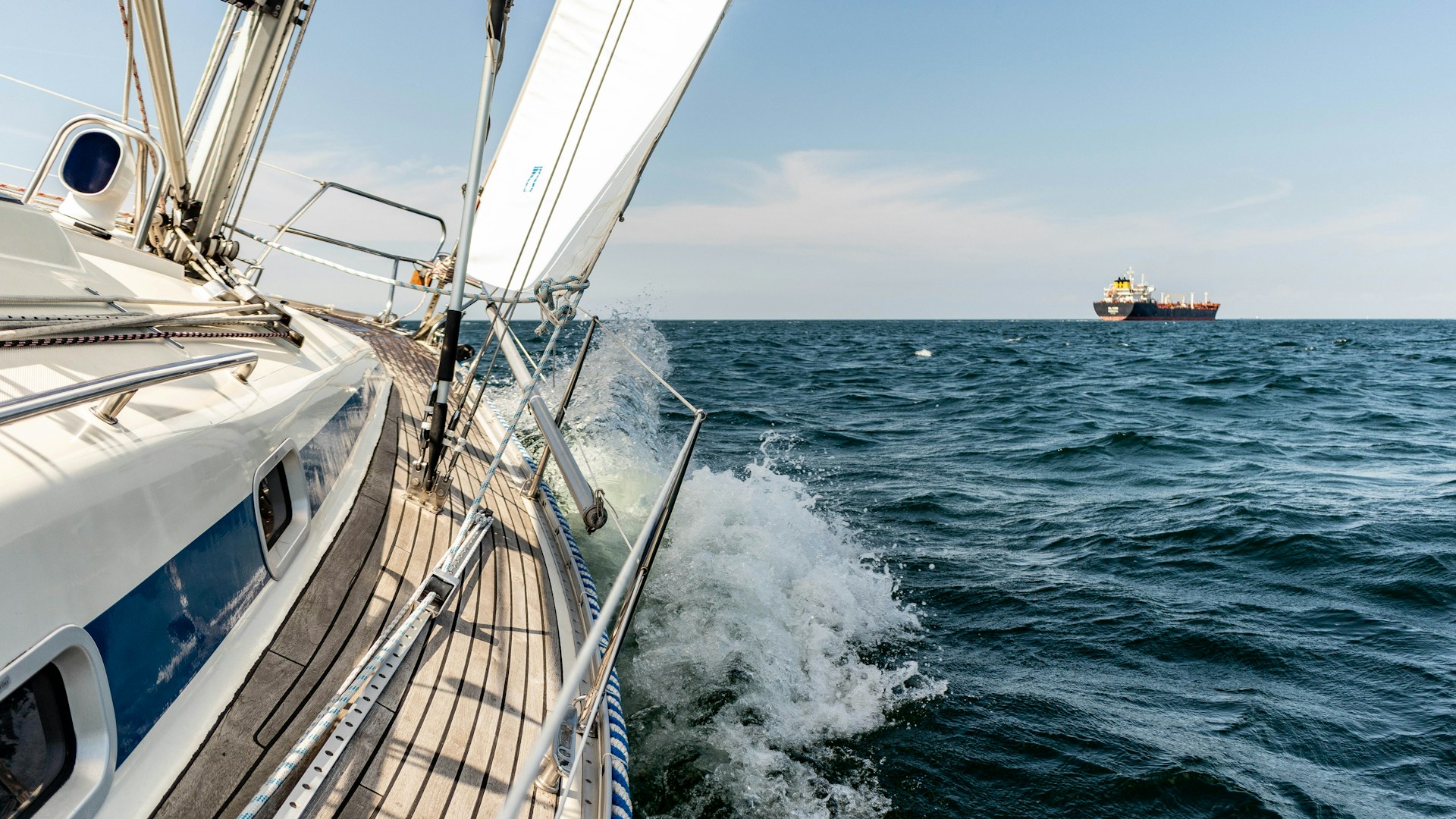
The cruise veteran behind @tipsfortravellers says he learned that the hard way. He had always wanted to try a real sailing ship experience, so he booked a Windstar ship.
What he found once he got on board was not what he had pictured.
“It’s Not A True Sailing Ship” Is What He Found After Boarding The Wind Surf
Gary booked the Windstar Wind Surf because he had seen the line’s ships in ports with magnificent-looking sails. He assumed it would give him the unique wind-powered sailing experience he craved.
Only after boarding did he discover it is not a true sailing ship. It is a sail-assisted motor yacht, he says, and the sails help reduce fuel and increase speed.
If he had researched instead of assuming, he says, he would not have wasted the money. He still needs to go on a proper sailing ship to get that experience.
Cruise Lines Keep Changing, Even Ships You Already Love
His lesson is to treat every cruise as if it were his first. Lines are constantly changing what is included, and he has seen it firsthand.
On Celebrity Cruises, in six months between trips the Premium Access Package lost perks he valued, including the embarkation lunch and reserved seating in the theatre.
On Holland America’s Oosterdam, he came back nine months later to find that The Retreat he loved was gone. One favorite bar had become a casino, a classical music partnership had ended, and a specialty dining partnership had switched from Rudi Sodamin to Morimoto.
Regent Seven Seas Splendor added a casual evening restaurant in just six months, and he says Cunard and Celebrity are reworking existing ships too.
He Got $2,000 Off A Silversea Cruise Before Boarding
Another lesson is that the savings do not stop once you book a good deal. He keeps hunting for ways to drive the cost down, and he shares several.
- Fare tracking: watch the price and ask the line to match it if it drops for your cruise.
- Friend referrals: some lines give a discount or onboard credit when a friend gives your loyalty number at booking. Through new-to-Silversea cruisers naming him, he has already had $2,000 taken off a costly cruise next year, and a referral on a Crystal repositioning cruise earned an extra 5% off.
- Club memberships: in the US, AARP membership gets extra discounts from many lines, and his nurse sister-in-law gets “Blue Light” or first responder discounts.
- Status matching: his Gold status with Regent got him $600 in onboard credit on Oceania, and his Celebrity status earned daily drinks coupons on Royal Caribbean, so he skipped an expensive drinks package.
He adds that holding shares in a cruise group can also bring onboard credit.
Staying Loyal To One Cruise Line Cost Him
When he started cruising, he thought sticking with one line was the safest option. He began with P&O Cruises, then moved to Cunard after a transatlantic crossing on Queen Elizabeth 2, even booking a seven-week Queen Victoria world cruise.
Looking back, he says that loyalty was a mistake. He could have taken a similar trip with more ports, in a better cabin, on a more upmarket line, for much less than he paid.
Moving between lines was usually cheaper and showed him more. Smaller ships like Azamara and Windstar took him into the heart of ports like Marseilles and smaller Greek islands. On a Queen Mary 2 trip through Asia, the ship docked miles from the centers of Shanghai and Ho Chi Minh City.
Loyalty perks disappoint too, he says. After working up Cunard’s program to the top level, he found a little discount, one free specialty dinner and some Wi-Fi were no match for what he saves now by switching lines.
Seeing Less In Port Meant Experiencing More
He also quit trying to tick off every highlight in each port. Cruise line tours, he says, are too rushed, with too much time on buses and little chance to meet locals or try the food.
His best ports came from exploring alone. In Kuala Lumpur, a taxi driver pointed him to an alternative to the Petronas Towers with great views, and then he and his wife got lost on the Metro and found a magnificent food market.
In Tokyo, they skipped the tour, stumbled into pachinko parlors and ate local food by miming and pointing at pictures on the menu. “Seeing less often means experiencing more,” he says.
How He Plans Each Port And Books A Cruise Now
For each port he first asks whether he can explore independently, and checks transport and timing. Hop-on hop-off buses and taxis work in places like the Mediterranean, the Caribbean and Alaska, and he watches YouTube videos from people who explored alone.
If that looks daunting, he tries independent guides with smaller groups on sites such as Shore Excursions Group, Venture Ashore, Viator and Tours by Locals. He uses the cruise line excursion only when the sights are far from the port, such as Paris from Le Havre, Florence from La Spezia or Kyoto from Kobe or Osaka.
He also now books through a travel agent. Agents are never more costly than booking direct, he says, because they account for at least 70% of cruise line bookings. They may also get cabin blocks at better fares and add onboard credit, and when Azamara cut a price, his agent got him over $1,000 off.
More Stories You May Like
- Cruise Ship Crew Say Passengers Who Hang Up Wet Towels And Stack Their Own Dishes Think They Are Helping But Can Actually Get The Staff In Trouble
- Couple Takes Carnival Spirit On The Last Alaska Cruise Of The Season Skips Every Upcharge Restaurant And Still Says The Food Was Good Enough To Sail Again
- Cruise Passengers Take A Taxi From The Ship To Chinatown And Eat Their Way Through French Pastries Dark Chocolate Peanut Butter Cups And Fan Tan Alley