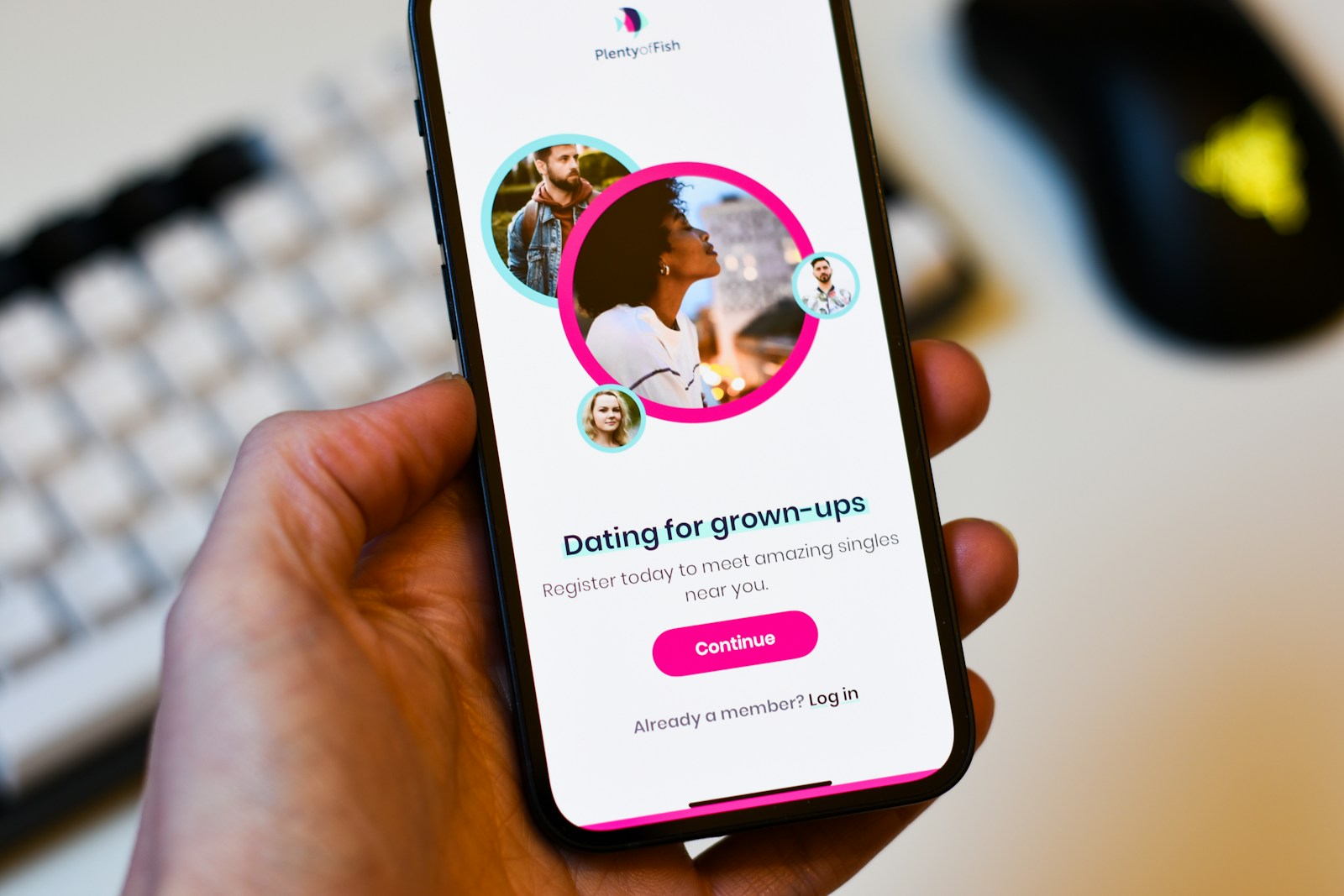
Dating apps are now charging some users as much as $600 a month for premium matchmaking features, according to a February 2026 report from the Groundwork Collaborative, a nonprofit economic policy research organization. The report, titled “Swipe Right to Pay,” also found that 78% of surveyed users said dating apps left them feeling emotionally, mentally, or physically exhausted.
- Some dating app subscription tiers now cost up to $600 per month, per the Groundwork Collaborative report.
- 78% of respondents reported emotional, mental, or physical exhaustion tied to dating app use.
- Two companies, Match Group and Bumble, control the majority of the U.S. dating app market, the report found.
- More than half of U.S. adults under 50 have used a dating app, and about 1 in 10 partnered adults met their partner online, according to Pew Research Center.
- Pew separately found 53% of dating app users describe their overall experience as positive versus 46% negative, with women reporting a roughly even split.
The apps named in the Groundwork Collaborative report — including Hinge, Tinder, Bumble, Match.com, and Badoo — built their original growth on being free or low-cost, positioning themselves as a cheaper, faster alternative to matchmaking services or paid singles events. The new report argues that pricing model has shifted substantially as the two dominant companies behind most major apps have layered on subscription tiers, boosts, and pay-per-feature add-ons that push some users’ monthly bills into the hundreds of dollars.
The exhaustion figure is notable because it points to more than sticker shock. A 78% rate of self-reported emotional, mental, or physical exhaustion suggests the paid features themselves — many designed to increase visibility or unlock additional matches — may be reinforcing the same compulsive-use patterns that already made dating apps a source of complaint before subscription prices climbed this high.
That frustration isn’t new, even if the price tag is. Pew Research Center’s 2023 survey of U.S. online daters found meaningful gender splits in what people find frustrating: 54% of women under 50 said they’d felt overwhelmed by the volume of messages they received, while 64% of men said they’d felt insecure due to a lack of messages. More than half of users surveyed by Pew said they’d encountered a suspected scammer on a dating platform. None of that data is new to 2026 — but it forms the backdrop the Groundwork Collaborative report is building on: a user base that was already reporting high dissatisfaction with dating apps before subscription costs became a headline issue of their own.
Market concentration is part of what the report says makes high prices possible. With Match Group and Bumble controlling most of the market between them, according to the report, users looking to avoid a costly subscription have fewer competing platforms to switch to than the sheer number of available apps might suggest.