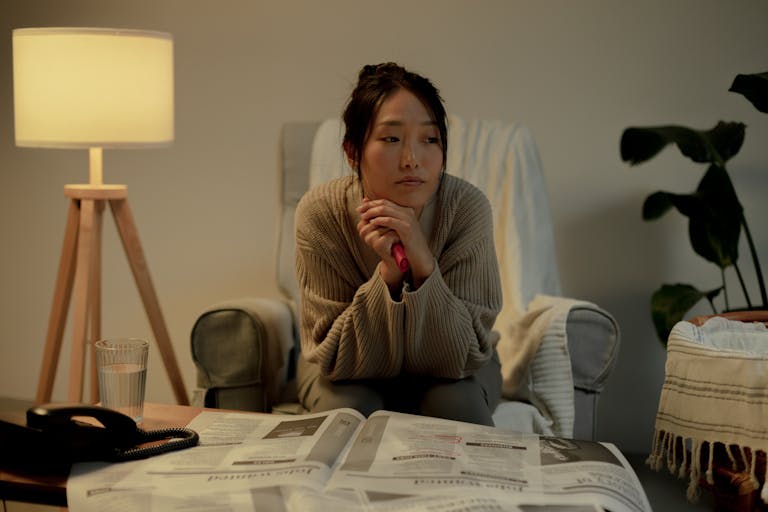
When she was just in eighth grade, a girl found herself in the principal’s office, a chilling reality check echoing in her ears. Her mom was behind on tuition fees, and the school had made the difficult decision to hold her back from graduating with her friends—friends she had known since kindergarten. The principal explained that without immediate payment, she wouldn’t be a part of her class. It was a moment of tender vulnerability for a young girl; her mom saw the tears that fell and used them to persuade the principal to let her finish the year.

Fast forward just a couple of months into her sophomore year, the girl, now a teenager, faced another blow. The principal pulled her aside yet again, this time with even worse news. Her tuition from the previous year remained unpaid. The school had no choice but to bar her from returning on Monday. It was a pattern that began to unfold—it was a chaotic ride through various high schools, and she ultimately ended up starting her senior year later than everyone else, attending a third school due to her mom’s ongoing financial struggles.
In her 20s, the cycle reared its ugly head once more. This time, she reached deep into her own savings to bail her mom out of a hotel after an eviction. It was a gesture born out of love and obligation, but the outcome was always the same. Pre-Covid, it was another round of cleaning up. Post-Covid proved to be the final straw when her mom’s financial negligence led to her daughter’s own financial ruin. She had made the mistake of allowing her mom to use her name for something, and as a result, she had to file for bankruptcy—a heavy burden that weighed on her for years.
Feeling suffocated by the chaos her mom had brought into her life, she made the difficult decision to block her. It was a way to breathe, a means to step back and rebuild her life. She eventually moved out of state, embracing the opportunity for a fresh start, free from the cycle of her mother’s financial disasters.
But just when she thought she could finally find peace, messages began flooding in from family she hadn’t heard from in ages. They reached out with concern, but their words dripped with accusations. “Why are you being so heartless? Your mom’s on the street. She has no one. You’re her daughter,” they said. It was a harsh reminder of how deeply ingrained her mother’s dependency had become within the family narrative.
Throughout her life, she had been the fixer, the one expected to clean up the messes. Each time, she was left exhausted—physically, mentally, and emotionally. Here she was trying to create a stable life for herself and finally say no to the chaos, only to be shamed by a family she barely knew. The irony was glaring: they felt entitled to her help when they had largely turned a blind eye to her struggles over the years.
Her mother’s inability to manage finances had cast a long shadow over her youth, and now it seemed to taint her adult life as well. The ongoing pressure to save her mom was a weight she could no longer carry. Every plea from family felt like a painful reminder of a cycle she was desperate to break.
As messages continued to arrive, she faced a dilemma that tugged at her heart. Could she really stay silent while her mother found herself in such dire straits? Did she owe her mother a rescue once again, despite the years of chaos? The words echoed back at her, “You’re her daughter.” She felt the burden of that title weigh heavily upon her—a title that had come with the expectation of unconditional support and forgiveness.
Despite the guilt creeping in, she knew she had made the right choice for her own well-being. She wouldn’t be swayed by family members who hadn’t been a part of her life. The exhaustion was palpable, and her resolve began to harden. Life had become exhausting in ways she had never anticipated, and as she reflected on her journey, she realized that prioritizing her mental health was not heartless; it was a crucial step in finally breaking free.
In the end, separation seemed to be the only way to reclaim her life, even when it meant risking her relationship with those family members who had turned against her. She was tired, but more importantly, she was learning to choose herself amidst the chaos.
More from Cultivated Comfort:
- 7 Vintage Home Items From the ’60s That Are Collectors’ Dream Finds
- 7 Vintage Home Goods That Became Collectors’ Gold
- 7 Fast-Food Chains That Changed for the Worse
- 7 Frozen Dinners That Were Better Back in the Day

As a mom of three busy boys, I know how chaotic life can get — but I’ve learned that it’s possible to create a beautiful, cozy home even with kids running around. That’s why I started Cultivated Comfort — to share practical tips, simple systems, and a little encouragement for parents like me who want to make their home feel warm, inviting, and effortlessly stylish. Whether it’s managing toy chaos, streamlining everyday routines, or finding little moments of calm, I’m here to help you simplify your space and create a sense of comfort.
But home is just part of the story. I’m also passionate about seeing the world and creating beautiful meals to share with the people I love. Through Cultivated Comfort, I share my journey of balancing motherhood with building a home that feels rich and peaceful — and finding joy in exploring new places and flavors along the way.